Understanding the Value of Flat Galvanized Iron Sheet in Modern Industry
Flat galvanized iron sheets have quietly become a backbone in many industrial and humanitarian sectors globally. If asked what they are or why they matter, many might gloss over them—yet these sheets offer benefits that ripple through construction, manufacturing, and disaster relief in profound ways. So, why should we care about this material? It’s partly because these sheets provide an excellent blend of durability, cost-efficiency, and versatility, making them vital for infrastructure development and emergency housing where sturdiness and speed are critical.
Global Relevance: The Industry Context
Globally, the demand for flat galvanized iron sheet is closely tied to urbanization, industrial growth, and infrastructure expansion. According to the International Organization for Standardization (ISO), galvanized steel production has been steadily climbing—in part due to rapid industrialization in Asia and Africa. Infrastructure projects and housing developments in these regions often depend on materials that resist corrosion, are affordable, and deploy easily.
There’s also a rising concern about climate resilience. The United Nations highlights the need for sustainable, long-lasting building materials to survive extreme weather conditions—placing flat galvanized iron sheets right in the spotlight. In practical terms, this sheet metal addresses a challenge: how to build fast, strong, and lasting shelters without blowing the budget or compromising safety.
What Is Flat Galvanized Iron Sheet?
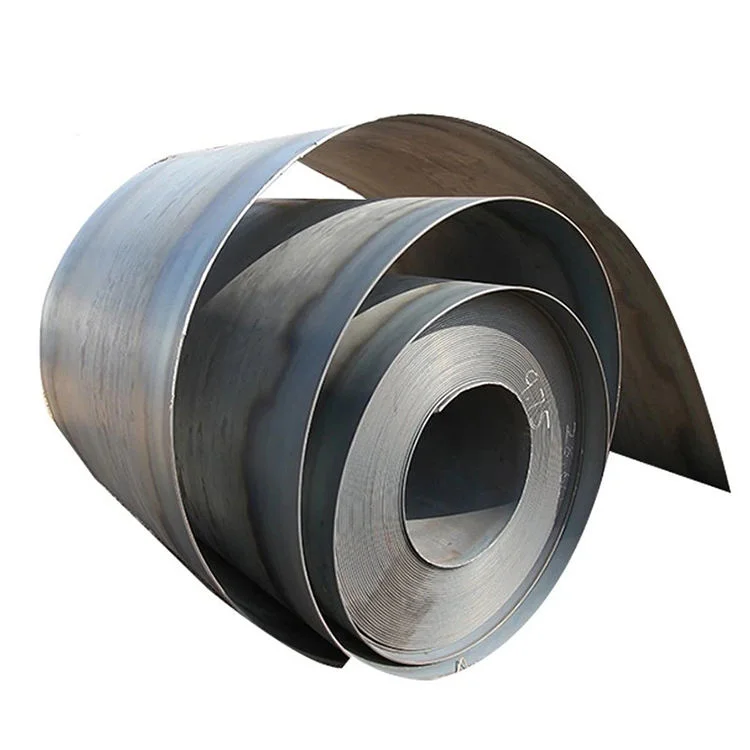
Simply put, a flat galvanized iron sheet is a flat steel sheet coated with a thin layer of zinc. This zinc layer protects the iron or steel underneath from rusting—a pesky problem especially in humid or rainy environments. By doing so, the sheet lasts longer and needs less maintenance.
This kind of material is everywhere, from roofing panels to shipping containers, and even in humanitarian aid where makeshift shelters must come together quickly yet withstand uncertain weather.
Core Components & Key Factors of Flat Galvanized Iron Sheet
Durability
One of the most critical factors is obviously durability. Thanks to zinc’s corrosion-resistant properties, galvanized sheets can last decades in some environments without serious deterioration. That’s why many engineers choose them for coastal or industrial areas prone to rust.
Cost Efficiency
Compared to stainless steel or aluminum, flat galvanized iron sheets pack a punch in affordability. They offer a balance between price and performance, which is crucial when materials are needed on a large scale.
Scalability & Versatility
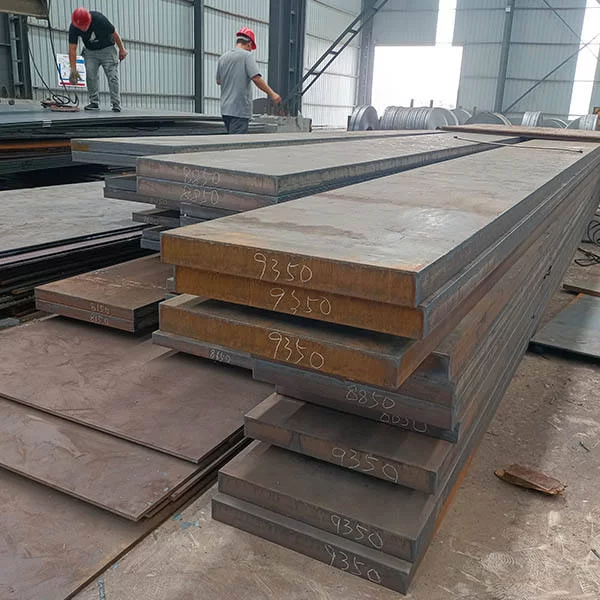
These sheets come in varying thickness and sizes to suit different applications—from small home repairs to large factories. Their flat form makes them simple to transport and adapt—cut, bend, or weld as needed.
Sustainability
Recycling galvanized steel is well-established and environmentally friendly, contributing to reducing waste worldwide. This plays well into long-term sustainability goals many countries and companies prioritize today.
Quick Specs of a Typical Flat Galvanized Iron Sheet
| Property |
Specification |
| Material |
Cold-rolled steel |
| Coating |
Zinc galvanization (Hot-dip or Electro-galvanized) |
| Thickness Range |
0.3 mm – 4.0 mm |
| Width Range |
600 mm – 1500 mm |
| Surface Finish |
Smooth or spangled |
Global Applications & Use Cases
Flat galvanized iron sheets find uses across many industries and regions:
- Construction and Housing: Used widely for roofing, wall cladding, and modular shelters, especially in Southeast Asia and Africa where quick urban expansion demands durable yet affordable materials.
- Disaster Relief: In post-disaster relief operations, NGOs often rely on these sheets to build temporary housing quickly, as these materials withstand rain and wind far better than untreated iron sheets.
- Manufacturing: Automotive and appliance manufacturers depend on galvanized steel for body panels and equipment casing due to its longevity.
- Infrastructure: Utility projects use these sheets for ducting, pipes, and cable trays since corrosion resistance prolongs service life.
For those curious, you can check out how these sheets fit into both heavy industrial applications and small-scale community projects in remote zones—pretty versatile stuff, honestly.
Vendor Comparison: Popular Flat Galvanized Iron Sheet Suppliers
| Supplier |
Quality Certification |
Lead Time |
Pricing |
| Baidy Steel |
ISO 9001, SGS |
2-3 weeks |
Competitive |
| ABC Metals |
ISO 14001 |
3-4 weeks |
Mid-range |
| Global Steel Co. |
CE Marking |
4-5 weeks |
Premium |
Advantages & Long-Term Value
Flat galvanized iron sheets offer a package deal that includes cost-effectiveness, strong resistance to wear, and ease of installation. From a social impact lens, they provide dignity and safety—especially in makeshift homes constructed after emergencies. Emotionally, knowing a shelter won’t leak or collapse during a storm offers peace of mind, something often overlooked but deeply valued.
Logically, the long product lifespan means fewer replacements and less environmental waste. This sustainability aspect, oddly enough, makes galvanized sheets a quiet champion in green building efforts.
Future Trends & Innovations
Looking ahead, the industry is experimenting with advanced coatings that combine zinc with aluminum or organic compounds to boost corrosion resistance even further. There’s also growing interest in integrating digital tracking for supply chain transparency.
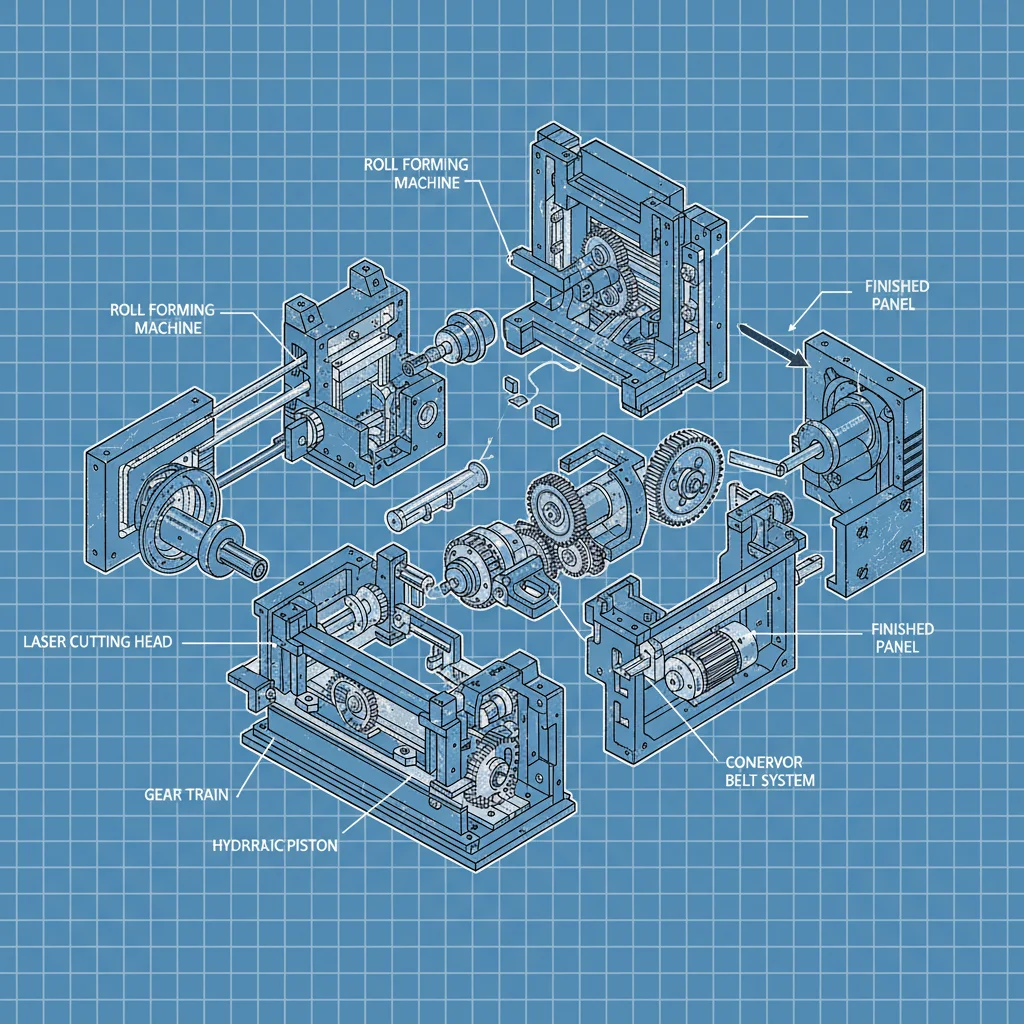
Additionally, as renewable energy installations spread, galvanized steel finds new roles—for example, in solar mounting structures that require durable yet lightweight materials. Automated cutting and bending technologies make customization faster and more precise than ever.
Challenges & Expert Solutions
One challenge is surface scratching during transport or installation, which can lead to rust spots. Experts recommend protective films and proper stacking methods to reduce damage—a small detail with big impact.
Another limitation can be the occasional mismatch between coating thickness and the environment’s aggressiveness, which is why site-specific testing has become a standard best practice.
FAQ: Frequently Asked Questions About Flat Galvanized Iron Sheet
- Q: How long does a flat galvanized iron sheet typically last outdoors?
A: Depending on the zinc coating thickness and environmental conditions, these sheets can last anywhere from 15 to over 50 years when properly maintained.
- Q: Can flat galvanized iron sheets be painted?
A: Yes, painting galvanized sheets is common to improve aesthetics or add an extra protective layer. Surface preparation, like cleaning and priming, is crucial for adhesion.
- Q: Are these sheets suitable for coastal construction projects?
A: Absolutely. Their zinc coating combats corrosion effectively, but specialized coatings might be applied in extremely salty environments.
- Q: What are typical delivery times for large orders?
A: Vendors like Baidy Steel usually offer lead times of 2-3 weeks, but it varies with volume and customization.
Conclusion
In essence, the flat galvanized iron sheet stands out as a practical, reliable, and adaptable solution that industrial sectors and humanitarian efforts alike value immensely. By blending durability, affordability, and sustainability, it has cemented itself as an essential element in modern infrastructure development. For anyone considering materials that balance performance with cost, checking the offerings at Baidy Steel could be a smart first step.
Ultimately, understanding these sheets means appreciating the quiet workhorse behind many of the structures and solutions shaping our world today.
Little takeaway? Flat galvanized iron sheets are the unsung heroes of safe, sustainable construction worldwide.
1. Wikipedia: Galvanization
2. United Nations Climate Change
3. ISO Standards