Understanding Mild Steel Sheet Prices: Why They Matter Worldwide
Mild steel sheets are everywhere, quietly shaping our cities, vehicles, and even the gadgets we use day-to-day. But have you ever stopped to wonder how pricing for these sheets works and why it’s such an overarching factor in everything from construction costs to manufacturing efficiencies across the globe? Mild steel sheet prices are more than just numbers—they reflect global commodity trends, supply chain health, and even regional economic shifts.
Getting a grasp on mild steel sheet prices is like having a backstage pass to numerous industries, giving you insights into cost optimizations, sustainability initiatives, and global trade patterns. It's no exaggeration to say that understanding these prices can translate into better budgeting, smarter purchasing decisions, and awareness of economic ripples felt from Asia to Europe. So whether you’re a procurement officer, a structural engineer, or just mildly curious, here’s the lowdown.
Mini takeaway: Mild steel sheet prices influence a vast range of sectors, and knowing their dynamics offers a competitive edge in procurement and planning globally.
The Global Context: How Mild Steel Prices Fit into Industry and Trade
In real terms, steel production accounts for about 7-9% of global CO2 emissions (source: Wikipedia - Steel Industry). Mild steel sheets, as a major product in the steel sector, thus sit at the heart of not only industry but environmental conversations. According to the World Steel Association, global steel demand hit approximately 1.9 billion tonnes in recent years, with mild steel sheets representing a significant share.
Pricing is subject to various forces: raw material costs (like iron ore and coking coal), energy prices, regional tariffs, and even geopolitical tensions play roles. Case in point: during certain trade disputes, mild steel sheet prices in North America and Europe saw marked volatility impacting construction and automotive markets alike. This ripple effect underscores why every business keeping an eye on mild steel sheet prices needs to understand these macro factors.
Mini takeaway: Mild steel sheet prices are intertwined with raw material markets and global economic shifts, affecting multiple industries worldwide.
Defining Mild Steel Sheet Prices: The Basics
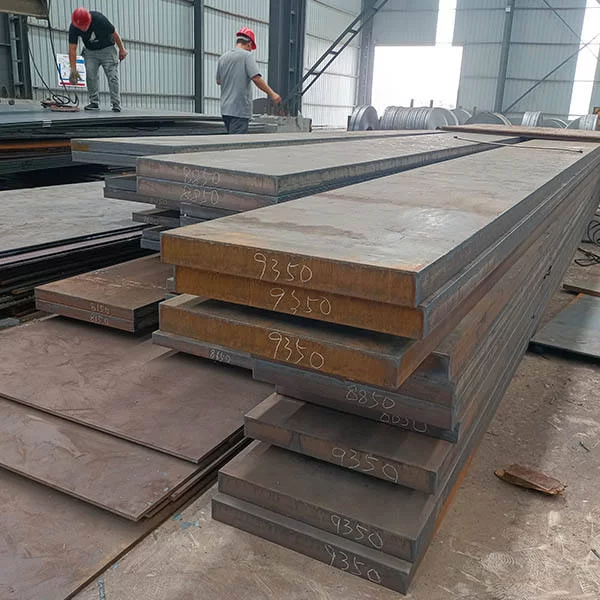
Simply put, mild steel sheet prices refer to the market rate commodities are sold for, specifically thin, flat pieces of low-carbon steel typically used for fabrication and construction. Because mild steel balances strength with excellent malleability, it’s a staple for everything from roofing to automotive paneling.
From humanitarian logistics to industrial giants, mild steel prices influence cost estimates and project feasibility. Affordable steel plates can mean quicker assembly of shelter units in post-disaster zones or budget-friendly vehicle fleets for developing markets.
Key Drivers Behind Mild Steel Sheet Prices
Raw Material Availability and Cost
Iron ore and coal prices largely dictate the base cost of steel. For instance, spikes in iron ore prices due to mining strikes in Australia tend to push mild steel prices upwards elsewhere. So, you’re often paying for more than just the steel—it’s a cocktail of raw material sourcing that keeps those prices dynamic.
Manufacturing Technology & Efficiency
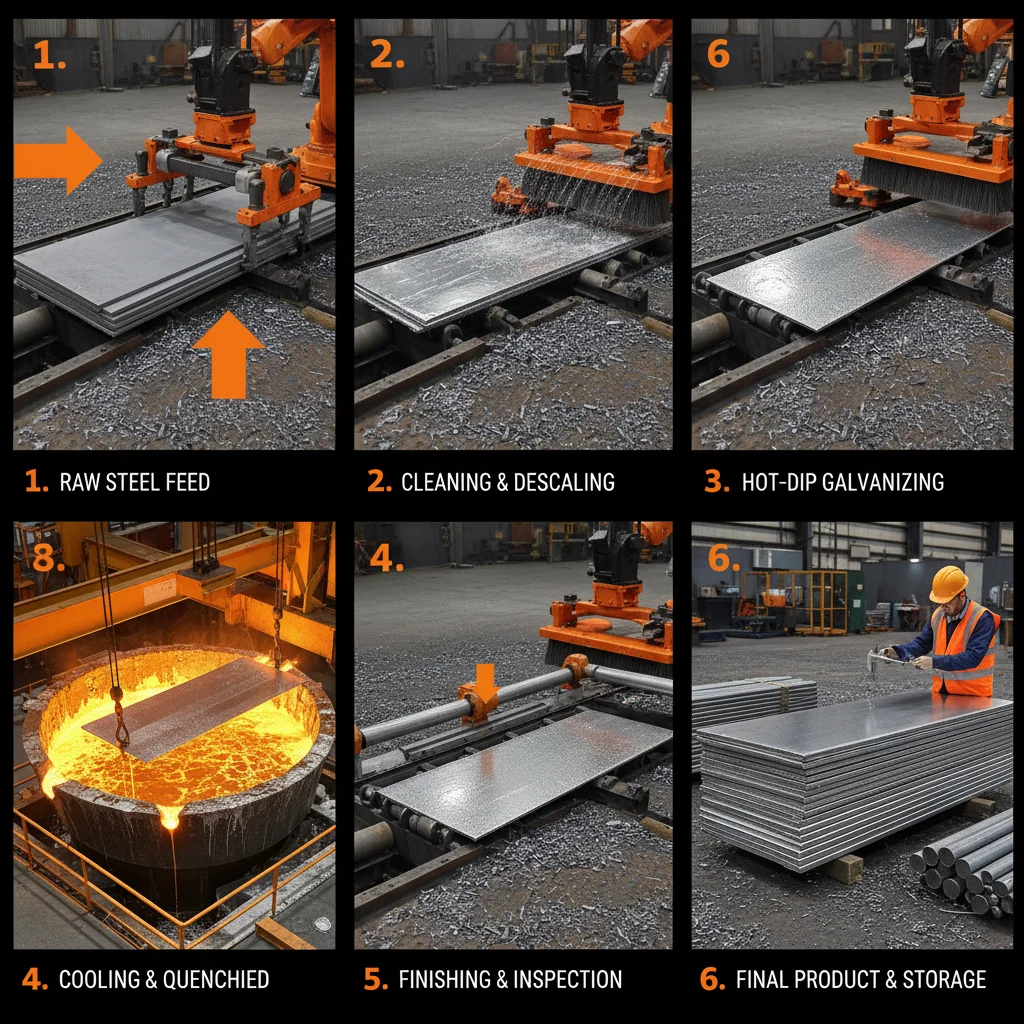
The advances in steel mills—think automation, electric arc furnaces replacing old blast furnace methods—can reduce production costs and thus impact sheet pricing. Regions investing heavily in green steel tech may enjoy cost benefits in the medium term.
Transportation and Logistic Costs
Since steel sheets are heavy and bulky, freight prices enormously impact landed costs. Supply chain disruptions, like port congestions or fuel price jumps, directly feed into final mild steel sheet prices.
Supply-Demand Balance
When demand surges—say during massive infrastructure projects or automotive booms—and supply fails to match it, prices usually spike. Conversely, excess stockpiles soften prices. It’s the classic curve you see in every commodity market.
Government Policies and Tariffs
Anti-dumping duties, import/export tariffs, and environmental regulation costs affect selling prices. Countries imposing higher environmental taxes on steel production indirectly raise the retail sheet prices.
Mini takeaway: Mild steel sheet prices reflect a complex mix of raw materials, tech, logistics, and policy factors that companies must monitor regularly.
Global Applications and Real-World Use Cases
It’s interesting how the same slabs of mild steel sheet can become parts of towering skyscrapers in Dubai, or emergency shelter panels in hurricane-prone coastal areas. Mild steel’s versatility makes its pricing a critical factor globally. For example:
- Asia’s Manufacturing Hubs: High consumption in automotive and appliance sectors where cost fluctuations alter production runs.
- Post-Disaster Relief: NGOs rely on affordable mild steel sheets for fast-deploy shelters—price swings here can delay aid deployment.
- Remote Industrial Zones: Mining camps and energy sites depend on mild steel for reliable infrastructure; shipping costs add layers of pricing complexity.
Mild Steel Sheet Specification Table
| Specification |
Value/Range |
Notes |
| Thickness |
0.3 mm to 6 mm |
Varies by application needs |
| Grade |
A36, S235JR, E250 |
Common mild steel standards |
| Width |
1000 mm to 2000 mm |
Standard sheet sizes |
| Yield Strength |
250 – 370 MPa |
Depends on grade |
| Coatings |
Galvanized, Painted, Plain |
Affects price and corrosion resistance |
Comparing Leading Mild Steel Sheet Vendors
| Vendor |
Base Price per Ton |
Lead Time |
Customization Options |
Sustainability Initiatives |
| Baidy Steel Corp |
$550 – $600 |
2-4 weeks |
Thickness, Coating, Cut-to-Size |
Carbon offset program, Recycling |
| GlobalSteel Ltd. |
$570 – $620 |
3-5 weeks |
Custom Alloy Blends |
Renewable energy powered factories |
| SteelMasters Inc. |
$530 – $590 |
1-2 weeks |
Standard Thickness, Galvanized |
Waste reduction programs |
Prices subject to regional fluctuations and order size
The Advantages of Keeping an Eye on Mild Steel Sheet Prices
Why fuss over steel sheet prices? Well, beyond immediate budgeting, there's a cascade of benefits:
- Cost Efficiency: Accurate price insights mean lean procurement and avoiding budget shocks.
- Sustainability: Selecting vendors with green initiatives helps lower your project’s carbon footprint.
- Reliability: Understanding pricing trends can predict supply shortages or delays.
- Social Impact: In humanitarian applications, lower costs facilitate wider distribution of vital infrastructure.
Looking Forward: Future Trends in Mild Steel Sheet Prices
The industry isn’t static. One noticeable shift is the push for green steel production—cutting down carbon emissions by using hydrogen or electric arc furnaces powered by renewables. This transformation, spurred on by international climate accords, might alter traditional pricing models.
On the digital side, blockchain is proving useful for supply chain transparency — customers and regulators can verify where their steel came from and under what conditions, which may eventually influence cost structures based on ethical sourcing.
Challenges in Managing Mild Steel Sheet Prices – and How to Beat Them
We all know steel markets vibe with unpredictability. Sudden spikes from raw material shortages, policy changes, or transport bottlenecks can be brutal to project managers. The solution? A combination of strategy and tech:
- Hedging contracts: Locking prices in advance reduces exposure.
- Diversifying suppliers: Keeps options open and mitigates regional risks.
- Using analytics platforms: Real-time data helps predict trends.
Frequently Asked Questions About Mild Steel Sheet Prices
- How do fluctuations in raw material prices affect mild steel sheet prices?
- Their costs are tightly linked. When iron ore or coal prices rise due to shortages or global events, steel mills pass on increased costs, leading to higher sheet prices. Seasonal demand also plays a role.
- What factors should I consider when comparing mild steel sheet vendors?
- Look beyond price. Assess lead times, customization options, coatings offered, and sustainability efforts. These impact both total cost and project success.
- Is it possible to get custom thickness or coatings for mild steel sheets?
- Yes. Many suppliers offer tailored thickness and coatings like galvanization or paint to meet specific requirements, though customization usually affects pricing and lead time.
- How can small businesses or NGOs access affordable mild steel sheets internationally?
- Partnering with reliable vendors who offer export-friendly terms or working through specialized importers helps. Also, bulk ordering or shared shipping can lower transport costs.
- Can investing in green steel technology lower prices in the long run?
- Potentially yes. While upfront investments are substantial, green steel approaches could reduce energy and carbon-related costs, stabilizing prices over time as regulations tighten.
Wrapping Up: Why Keeping Mild Steel Sheet Prices on Your Radar Makes Sense
At the end of the day, mild steel sheet prices don’t just reflect metal market trends—they’re a mirror of innovation, globalization, and sustainability efforts unraveling all around us. Paying attention to these numbers can empower businesses large and small, ensure project durability, and contribute to more responsible supply chains. If you want the latest updates on pricing and product options, I highly recommend checking out the resources at Baidy Steel.
Remember, in a world that’s always moving, staying informed about your steel sheet options doesn’t just save money — it builds a smarter future.
References:
- Wikipedia: Steel Industry
- World Steel Association: Global Steel Demand Report
- ISO Standards on Steel Products