Understanding 10 Gauge Steel Plate: A Backbone of Modern Industry
The 10 gauge steel plate might sound like just another industrial specification, but honestly, it’s a foundational element in countless sectors worldwide. From infrastructure to manufacturing, this type of steel plays a pivotal role globally. Appreciating what it is and why it matters not only helps engineers and architects but also anyone interested in how materials shape the physical world around us.
Global Industry Context and Why It Matters
Steel production represents over 1.8 billion metric tons globally each year, according to the World Steel Association. Within this massive scale, 10 gauge steel plates occupy a special niche. This gauge – roughly 3.4 millimeters thick – balances strength and weight, qualities that many industries rely on. The UN Industrial Development Organization and ISO consistently highlight steel’s importance in economic growth and urban development. Yet, the challenge is striking a balance between cost-efficiency, durability, and sustainability. That’s where understanding specific gauges like the 10 gauge steel plate helps solve real-world dilemmas, whether in construction or humanitarian logistics.
Mini takeaway: Knowing the global steel landscape sharpens why a 10 gauge steel plate is more than just a number—it’s an industry standard that answers critical needs worldwide.
What Exactly Is a 10 Gauge Steel Plate?
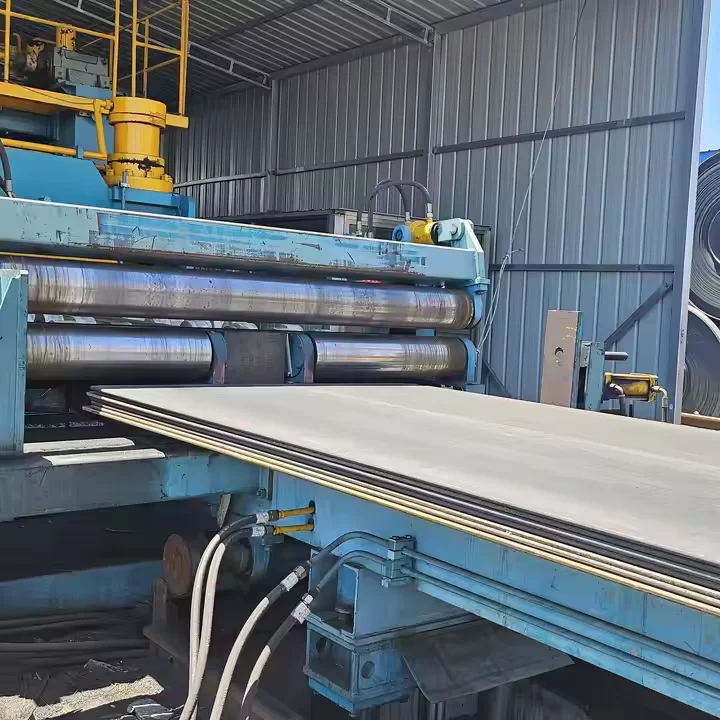
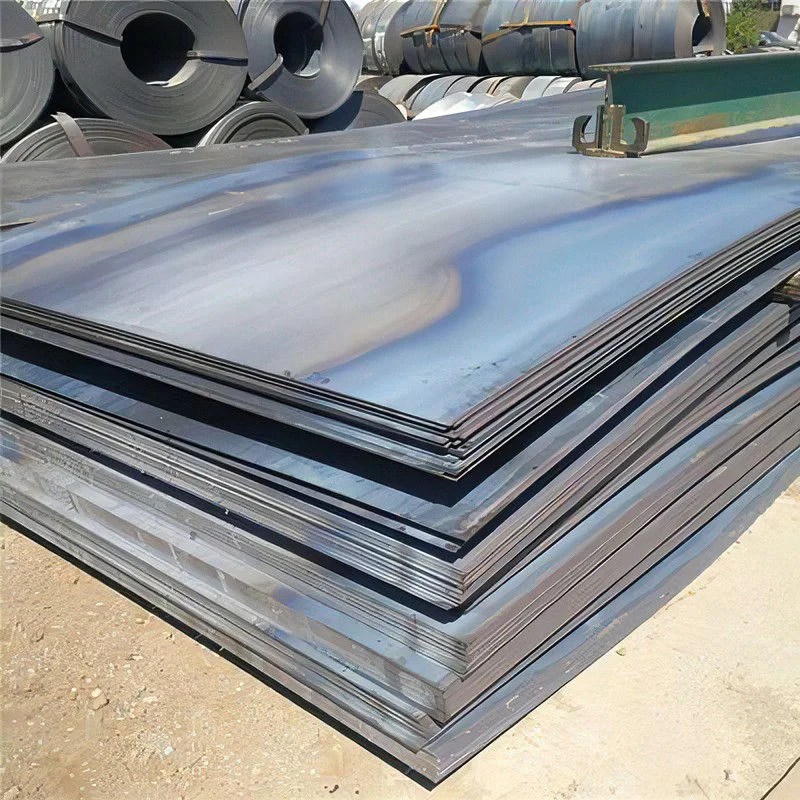
Simply put, a 10 gauge steel plate is a steel sheet that measures about 0.1345 inches (3.416 mm) thick. “Gauge” here is a traditional thickness standard—oddly enough, the lower the gauge number, the thicker the metal. The 10 gauge thickness hits a sweet spot for many applications: thick enough for structural integrity but still workable. It’s commonly used in everything from truck beds and trailers to marine and agricultural equipment, proving indispensable where strength without excessive bulk is needed.
This thickness also correlates with safety and durability standards, which align with many humanitarian and environmental construction projects. For example, in disaster zones, shelters built from this grade of steel offer quick, reliable protection.
Mini takeaway: 10 gauge steel plate is a moderately thick steel sheet with wide industrial and humanitarian use—practical, robust, and versatile.
Key Factors to Consider With 10 Gauge Steel Plates
1. Durability and Strength
Naturally, this gauge’s thickness grants excellent mechanical strength. Whether resisting heavy loads or impact, it endures. This makes it ideal for structural components facing wear and tear over time.
2. Corrosion Resistance
Most 10 gauge plates are alloyed or galvanized, which helps fight rust and corrosion—critical for outdoor or marine uses. The cost to maintain steel structures without proper protection often outweighs the initial investment.
3. Workability and Fabrication
While thicker than some sheets, 10 gauge steel is still relatively easy to cut, weld, and shape with standard equipment—very convenient in on-site construction or fabrication shops.
4. Cost Efficiency
It balances expense and performance smartly—thicker plates cost more but not always proportionally better. The 10 gauge option offers sweet spot value when durability matters but budgets are constrained.
5. Standard Compliance
Many ISO and ASTM standards cover 10 gauge steel plate production, ensuring consistent quality worldwide. This standard compliance supports international trading and installation.
| Specification |
Details |
| Thickness |
0.1345 inches (3.416 mm) |
| Common Material Grades |
A36, A572, Stainless Variants |
| Typical Yield Strength |
36,000 to 50,000 psi |
| Surface Finish |
Mill finish, galvanized, painted |
| Common Applications |
Structural support, transportation, agriculture |
Global Applications & Use Cases
Across continents, 10 gauge steel plates are a trusted staple. In North America and Europe, they're widely used in heavy machinery and construction frames. In Asia and Africa, the plates support infrastructure projects and disaster-resilient housing solutions.
For instance, after hurricanes and earthquakes, NGOs erect shelters from prefabricated panels including 10 gauge steel components to ensure longevity and safety. Remote mining operations in Australia and Canada also rely on these plates for durable equipment housing exposed to harsh environments.
Mini takeaway: The practical applications of 10 gauge steel plates cut across sectors and geographies, underpinning both industrial might and humanitarian efforts.
Advantages & Long-Term Value of 10 Gauge Steel Plate
- Cost-effectiveness: Durable material means less frequent repairs or replacements.
- Sustainability: Steel’s recyclability reduces environmental impact.
- Safety: Reliable strength supports structural integrity, protecting lives.
- Innovation: Adaptable to new fabrications and design techniques.
- Trustworthiness: Globally standardized, reassuring buyers and engineers alike.
Frankly, it’s this mix of tangible benefits—and a certain peace of mind—that makes 10 gauge steel plate a staple in so many projects.
Emerging Trends and Innovations in 10 Gauge Steel Plates
With green energy and sustainable building mandates rising, one major trend is lightweight but stronger steel alloys paired with 10 gauge thickness. Digital fabrication, including automated laser cutting and robotic assembly, optimizes steel use and reduces waste. Also, coatings with enhanced anti-corrosion and thermal properties are increasingly common.
Policies promoting circular economy models mean recycled steel plates are gaining ground, too. Even architects are now blending steel with renewable materials to meet new standards.
Challenges and How Experts Overcome Them
Of course, steel plates aren’t without downsides. Shipping heavy plates globally can be expensive and carbon-intensive. Corrosion, despite improvements, still remains a maintenance headache in hostile environments. And sometimes structural engineers debate optimal thickness versus cost under tight budgets.
Innovative coatings, modular construction strategies, and supply chain optimization have largely addressed these. Also, some companies now offer pre-engineered systems tailored to maximize 10 gauge steel’s benefits while minimizing excess material use.
| Vendor |
Product Range |
Quality Certifications |
Global Reach |
Lead Time |
| Baidi Steel |
Wide, including 10 gauge steel plate |
ISO 9001, ASTM |
Global |
2-4 weeks |
| Global Metal Supply |
Industrial grades only |
API, ISO |
North America, Europe |
3-6 weeks |
| SteelPro |
Custom gauges, including 10 gauge |
ISO 14001 |
Asia-Pacific Focus |
1-3 weeks |
FAQ: Frequently Asked Questions About 10 Gauge Steel Plate
Q1: What are the benefits of using 10 gauge steel plate vs. thinner steel sheets?
10 gauge steel offers significantly higher strength and durability than thinner sheets, which means it can support greater loads and resist damage better. At the same time, it’s easier to work with than thick plates, striking a balance that suits many structural and fabrication needs.
Q2: Can 10 gauge steel plates be used outdoors in harsh weather?
Absolutely, especially when galvanized or coated properly. These plates are highly resistant to corrosion, making them suitable for outdoor construction, agricultural equipment, and marine applications.
Q3: How does shipment lead time vary among suppliers for 10 gauge steel plate?
Lead times can range from 1 to 6 weeks depending on supplier location, stock availability, and customization needs. For example, Baidi Steel typically offers global shipments in 2-4 weeks, which is quite competitive.
Q4: Are 10 gauge steel plates eco-friendly?
Steel is one of the most recycled materials globally, so using 10 gauge steel plates often involves recycled content. Furthermore, durability extends product life, both important for reducing environmental footprint.
Conclusion: Why 10 Gauge Steel Plate Is an Essential Investment
In real terms, 10 gauge steel plates provide that “just right” level of thickness for many industries—combining durability, cost efficiency, and adaptability. Whether for robust infrastructure or quick-deploy housing in disaster zones, this standard supports millions globally. Innovations continue to enhance its sustainability and performance, making it a solid choice now and in the future. Curious to see what it could do for your project? Don’t hesitate to visit our website and explore the options.
Final thought: Sometimes, the material details you overlook are exactly what hold the world together.
References
- World Steel Association
- International Organization for Standardization (ISO)
- Wikipedia: Steel