Advanced Structural Solutions for weathering steel plate in Libya

Advanced Structural Solutions for weathering steel plate in Libya

High-performance metal fabrication and rolling services tailored for the Libyan industrial landscape, ensuring durability against extreme desert climates.

Advanced Structural Solutions for weathering steel plate in Libya

Providing premium-grade metallurgical products and structural steel processing to support Libya's infrastructure rebirth and industrial expansion.

Industrial Steel Landscape in Africa - Libya

Analyzing the demand for high-corrosion resistance materials in North African coastal and desert regions.

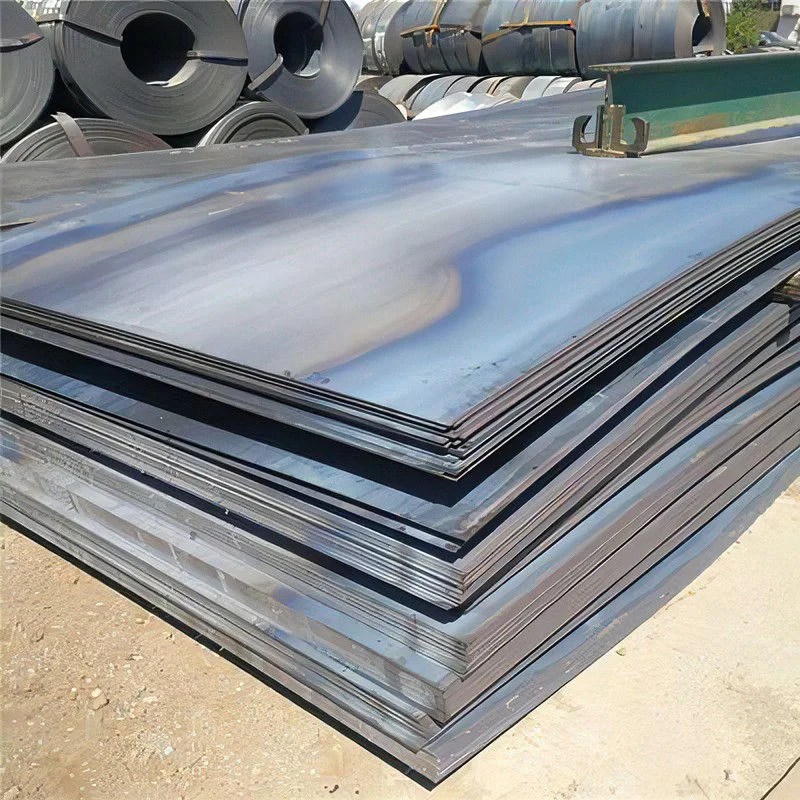
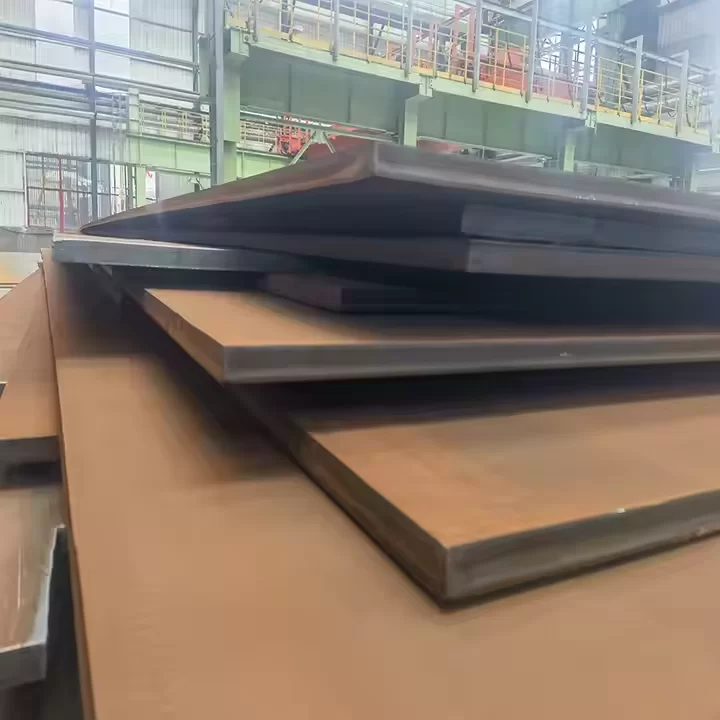
Libya's industrial sector faces unique challenges due to its geography, where saline coastal air in cities like Tripoli and Benghazi meets the abrasive sands of the Sahara. This environment accelerates the degradation of conventional metals, creating a critical need for cor ten steel plate, which forms a protective patina to eliminate the need for repeated painting.

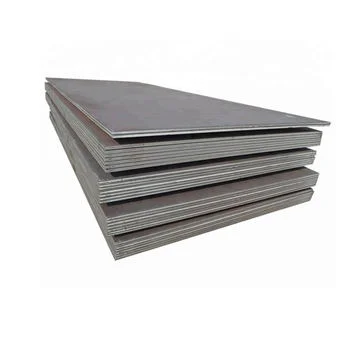
Currently, the metallurgy and rolling industry in Libya is transitioning from reliance on basic imports to seeking specialized alloy solutions. The use of mild low alloy steel has become prevalent in oil and gas pipeline infrastructures, where strength-to-weight ratios and weldability are paramount for rapid deployment.

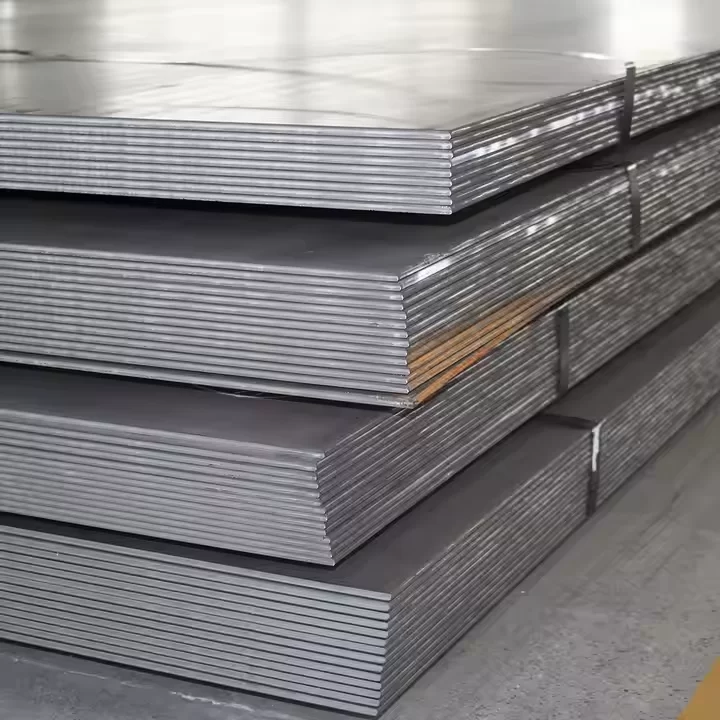
Furthermore, the construction of new transport hubs and logistics centers requires materials that can withstand extreme thermal expansion. The integration of low carbon steels ensures that structural components remain ductile and easy to process during the fabrication of large-scale metal frameworks.
Evolution of Metal Fabrication in Libya

From traditional rolling methods to high-precision alloy engineering.

Market Development History

In the early stages (1970s-1990s), the Libyan market relied heavily on standard carbon steel for oil extraction rigs, with minimal focus on atmospheric corrosion resistance, leading to high maintenance costs in coastal areas.

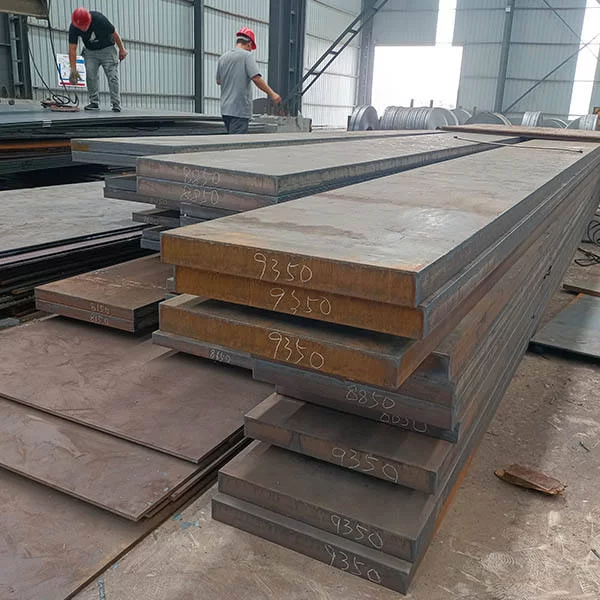
Between 2000 and 2015, there was a strategic shift toward importing corten steel sheets for architectural and industrial facades, recognizing the aesthetic and functional benefits of weathering steel in arid climates.

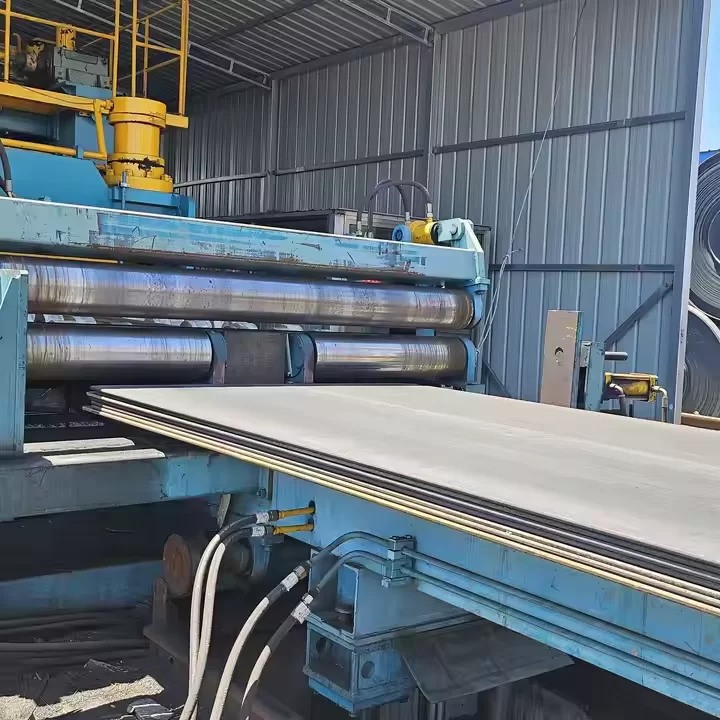
From 2016 to the present, the industry has evolved toward "Precision Rolling," utilizing advanced CNC plasma cutting and automated rolling to process high-strength alloys for modernized energy infrastructure.

Future Development Trends

Sustainable Material Adoption

Increased demand for recyclable and long-life materials to reduce the carbon footprint of Libyan infrastructure projects.

Smart Corrosion Monitoring

Integration of IoT sensors with weathering steel structures to monitor patina thickness and structural integrity in real-time.

Modular Metal Construction

A shift toward prefabricated modular units using high-precision rolled plates to accelerate urban reconstruction.

Strategic Outlook for Libyan Metal Fabrication

Predicting the technological trajectory of the steel industry in Libya for the next 3-5 years.

Climate-Adaptive Metallurgy
Development of alloys specifically tuned for the extreme diurnal temperature swings of the Libyan desert.
Digitalized Rolling Process
Implementing AI-driven thickness control and surface analysis for high-precision steel sheets.
High-Strength Thin-Wall Steel
Transitioning toward thinner but stronger alloy plates to optimize shipping costs to Africa.
Enhanced Weldability Standards
New standards for low-carbon alloys to ensure seamless joint integrity in high-pressure environments.

Industry Outlook

Google search trends indicate a rising interest in "corrosion-resistant structural steel" across the MENA region. In Libya, this manifests as a shift toward materials that minimize the Lifecycle Cost (LCC) by reducing maintenance intervals in the oil sector.

The future will see a convergence of metallurgical science and sustainable architecture, where the natural oxidation of weathering steel becomes a primary design element for the new Libyan urban landscape.

Local Application Scenarios in Libya

Practical implementations of advanced steel rolling and fabrication in Libyan infrastructure.

01. Coastal Oil Terminal Support Structures

Utilizing weathering steel to protect terminal piers from the highly corrosive salt spray of the Mediterranean coast, ensuring 50+ years of service life.

02. Desert Solar Farm Mounting Systems

Implementing galvanized low carbon steels for lightweight, durable panel mounts that resist wind-blown sand abrasion in the Sahara.

03. Urban Architectural Facades in Tripoli

Applying corten steel sheets for modern government buildings, blending industrial strength with a rustic aesthetic that complements the local landscape.

04. High-Pressure Gas Pipeline Manifolds

Using mild low alloy steel for specialized manifold components that require superior tensile strength and resistance to hydrogen-induced cracking.

05. Industrial Warehouse Frameworks

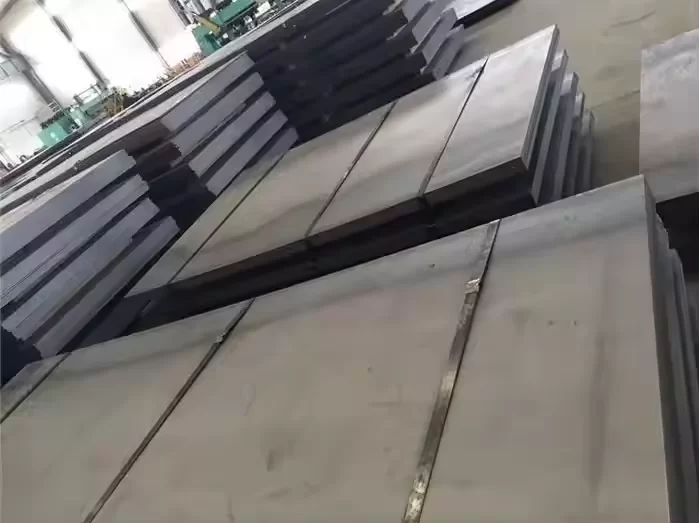
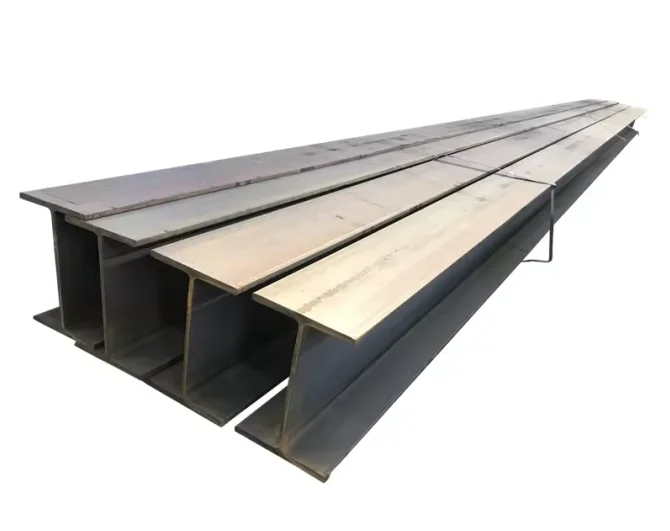
Deploying precision-rolled structural plates for large-span warehouses, optimized for rapid assembly and high load-bearing capacity.

Brand Story

Global Development Journey of Xingtai Baidi Technology Co., Ltd.

Foundational Engineering

Established with a focus on high-precision steel rolling, solving the initial pain point of material inconsistency in heavy industry.

Alloy Specialization

Expanded into specialized weathering and low-alloy steel production to meet the demands of extreme environmental conditions.

Global Expansion

Developed a robust export network, bringing advanced metallurgical solutions to emerging markets across Africa and the Middle East.

Technological Integration

Integrated automated fabrication and CNC processing to provide end-to-end structural solutions rather than just raw materials.

Sustainability Leadership

Committed to green steel initiatives, reducing the environmental impact of the rolling process for a sustainable future.

Libyan Steel Industry FAQs

Addressing common technical queries regarding structural steel in the Libyan market.

How does cor ten steel plate perform in the Libyan desert?

It performs exceptionally well; the dry air promotes the formation of a stable, dense oxide layer that prevents deeper corrosion, making it ideal for desert environments.

What is the advantage of weathering steel plate over painted steel?

It eliminates the need for periodic repainting, which is costly and logistically difficult in remote Libyan oil fields.

Are corten steel sheets suitable for coastal architecture in Benghazi?

Yes, provided they are specified for marine-adjacent environments, as the protective layer manages the saline moisture effectively.

Why choose mild low alloy steel for pipeline construction?

It provides a superior balance of yield strength and toughness, critical for enduring the pressures of Libyan petroleum transport.

What are the welding requirements for low carbon steels in structural frames?

Low carbon steels offer excellent weldability without the need for extensive pre-heating, allowing for faster on-site fabrication in Libya.

Can you provide custom rolling thickness for Libyan projects?

Yes, our facility specializes in custom thickness rolling to match specific engineering blueprints for structural metal manufacturing.

Request a Technical Consultation

Connect with our metallurgical experts to optimize your next industrial project in Libya.

Contact Us Now

If you are interested in our products, you can choose to leave your information here, and we will be in touch with you shortly.