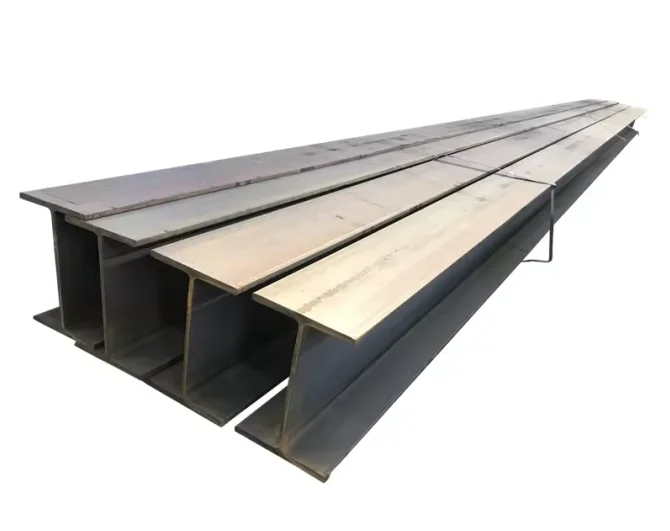
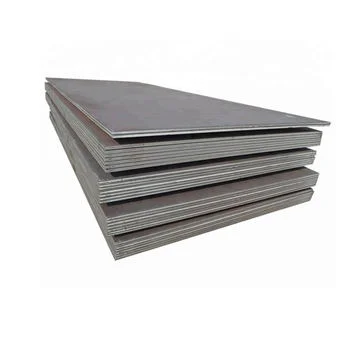
Advanced weathering steel plate Solutions for New Zealand Infrastructure

Advanced weathering steel plate Solutions for New Zealand Infrastructure

Providing high-performance structural steel engineered for the unique climatic challenges of Oceania's diverse landscapes.

Steel Manufacturing Landscape in New Zealand

Adapting metallurgy to the high-humidity and saline environments of Oceania.

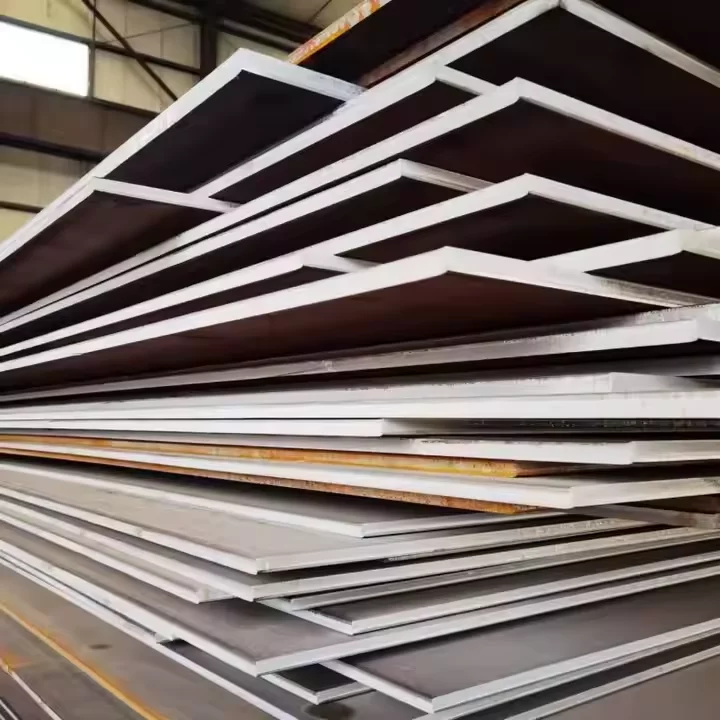
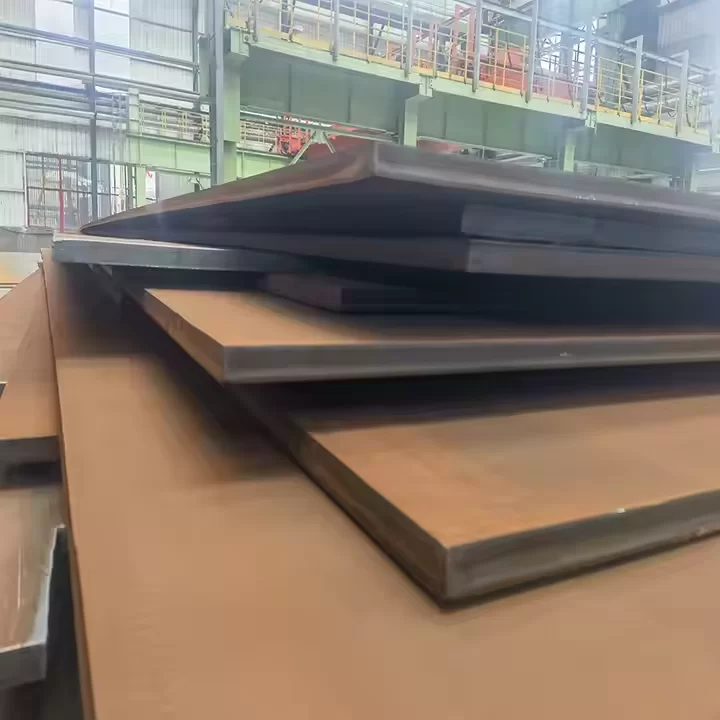
New Zealand's industrial sector faces significant challenges due to its island geography, where saline sea spray and high rainfall accelerate the corrosion of standard structural metals. This has led to a surging demand for cor ten steel plate, which forms a protective patina that eliminates the need for constant repainting in harsh coastal zones.

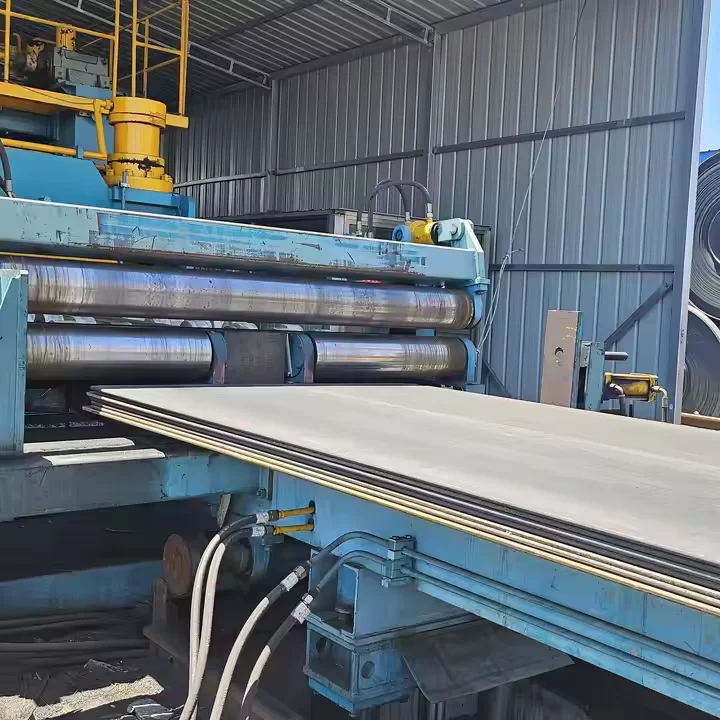
The domestic market currently relies heavily on precision-rolled materials. The integration of low carbon steels is prevalent in light-gauge construction and residential framing, while the heavy industrial sector in regions like Auckland and Christchurch seeks higher yield strength for seismic-resistant structures.

Furthermore, the shift towards sustainable building practices in the Oceania region has pushed manufacturers to optimize the use of mild low alloy steel, balancing cost-efficiency with the atmospheric resistance required for long-term infrastructure viability.
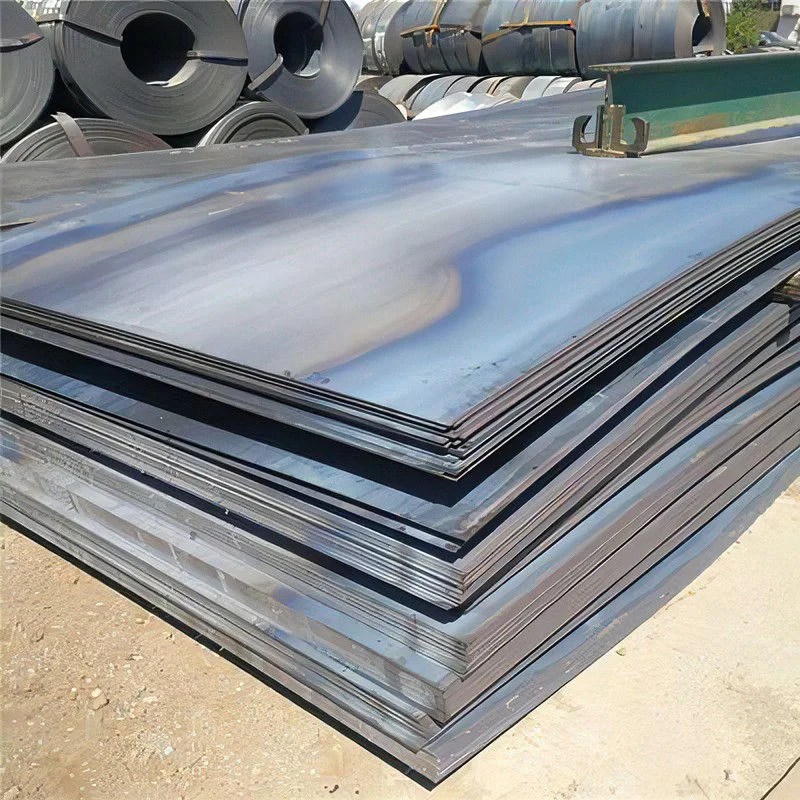
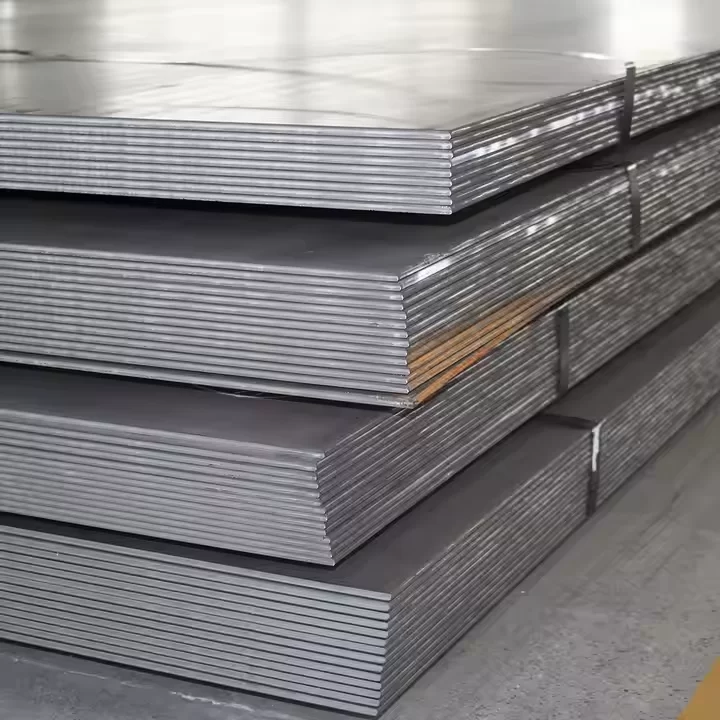
Evolution of Metal Fabrication in Oceania

From basic carbon steel to advanced atmospheric corrosion-resistant alloys.

Market Development History

During the mid-20th century, New Zealand's construction primarily utilized basic carbon steels, which required heavy galvanization or frequent painting to survive the humid climate. The reliance on standard mild steels often resulted in high maintenance costs for public bridges and rural fences.

By the 1990s, the introduction of corten steel sheets revolutionized architectural aesthetics and utility. The ability to create "self-protecting" structures allowed architects in Wellington and Queenstown to blend industrial designs with the natural ruggedness of the landscape.

From 2010 to the present, the focus has shifted toward high-precision rolling and alloying. Modern fabrication now emphasizes the chemical stability of low-alloy compositions to ensure structural integrity during seismic events, a critical requirement for New Zealand's building codes.

Future Development Trends

Green Steel Metallurgy

Transitioning toward hydrogen-based reduction to lower the carbon footprint of structural plates, aligning with New Zealand's net-zero emission goals.

Nano-Alloy Coatings

Integration of nano-scale surface treatments on low-alloy steels to further enhance corrosion resistance in extreme saltwater environments.

Digital Twin Fabrication

Utilizing AI-driven rolling parameters to reduce material waste and ensure millimeter-precision for complex structural metal components.

Industry Trends and Future Outlook

Navigating the shift toward sustainable and high-performance metal structures.

Sustainable Alloy Sourcing
Increasing demand for recycled scrap integration in the production of low-carbon structural components.
Seismic Resilience
Developing specialized rolling processes to improve the ductility of alloy steels for earthquake-prone zones.
Automated Precision Cutting
Adoption of CNC plasma and laser cutting for complex weathering steel geometries in urban landscaping.
Smart Logistics
Optimization of supply chains from smelting plants to New Zealand's remote construction sites.

Industry Outlook

Based on Google search trends for "sustainable building materials" in the Oceania region, there is a marked increase in the preference for materials that offer life-cycle longevity over low initial cost. This indicates that high-performance alloys will dominate the market.

The future will see a convergence of material science and digital design, where the chemical composition of the steel is tailored to the specific micro-climate of the installation site, maximizing durability and minimizing environmental impact.

Localized Applications in New Zealand

Real-world implementations of advanced structural steel in unique NZ environments.

1. Coastal Infrastructure Protection

Using weathering steel plate for seawalls and harbor supports in Auckland to withstand high salt concentrations without traditional coating failure.

2. Southern Alps Bridge Engineering

Implementing high-strength alloy plates for bridge spans in the South Island, where extreme temperature fluctuations require materials with exceptional fatigue resistance.

3. Contemporary Urban Architecture

Utilizing corten steel sheets for facade cladding in Wellington's commercial districts to achieve a modern, rustic aesthetic that evolves with time.

4. Agricultural Machinery Fabrication

Deploying low carbon steels for the construction of heavy-duty farming equipment used in the Canterbury Plains, ensuring weldability and strength.

5. Seismic Reinforcement Frames

Using precision-rolled mild low alloy steel for structural reinforcement in heritage building retrofits to meet modern safety standards.

Brand Story

Global Development Journey of Xingtai Baidi Technology Co., Ltd.

Foundational Excellence

Established with a focus on precision rolling, we began by solving the fundamental problem of material inconsistency in structural steel.

Technological Pivot

Expanded our R&D into atmospheric corrosion-resistant alloys, enabling the production of premium weathering steels for global exports.

Market Expansion

Strategically entered the Oceania market, tailoring our metallurgical standards to meet New Zealand's stringent building and environmental codes.

Quality Certification

Achieved international certifications for alloy precision, ensuring every plate delivered meets the highest global engineering standards.

Future Vision

Leading the transition to "Green Steel" while continuing to solve the pain points of durability and maintenance for structural engineers worldwide.

New Zealand Steel FAQ

Expert answers to common technical queries regarding steel selection and application.

How does cor ten steel plate perform in New Zealand's coastal salt air?

In coastal environments, it forms a stable, dense oxide layer that inhibits deeper corrosion, although initial patina development may vary based on salt concentration.

What is the difference between weathering steel plate and standard mild steel?

Weathering steel contains alloying elements like copper and chromium that create a protective rust layer, whereas mild steel requires coatings to prevent structural decay.

Are corten steel sheets suitable for residential landscaping in Auckland?

Yes, they are highly prized for their organic look and low maintenance, making them ideal for retaining walls and decorative screens.

When should I choose mild low alloy steel over carbon steel?

Choose low alloy steel when your project requires higher tensile strength or better atmospheric resistance than standard carbon steel can provide.

Do low carbon steels offer enough strength for structural frames?

Low carbon steels are excellent for applications requiring high ductility and weldability, but for primary load-bearing frames, alloyed versions are typically recommended.

How to maintain the patina on weathering steel in humid regions?

Avoid stagnant water contact and ensure proper drainage; the natural wetting and drying cycle is essential for the protective layer to stabilize.

Ready to Optimize Your Steel Procurement?

Get expert technical consultation for your construction and fabrication projects across New Zealand.

Contact Us Now

If you are interested in our products, you can choose to leave your information here, and we will be in touch with you shortly.