HighPerformance weathering steel plate Solutions for Kazakhstan Infrastructure

High-Performance weathering steel plate Solutions for Kazakhstan Infrastructure

Providing premium corrosion-resistant and structural steel for Kazakhstan's extreme continental climate and industrial expansion.

High-Performance weathering steel plate Solutions for Kazakhstan Infrastructure

Specialized steel processing and fabrication services tailored for the unique environmental demands of Central Asia, ensuring longevity and structural integrity.

Steel Manufacturing Landscape in Kazakhstan

Analyzing the demand for high-durability alloys in a region of extreme temperature fluctuations.

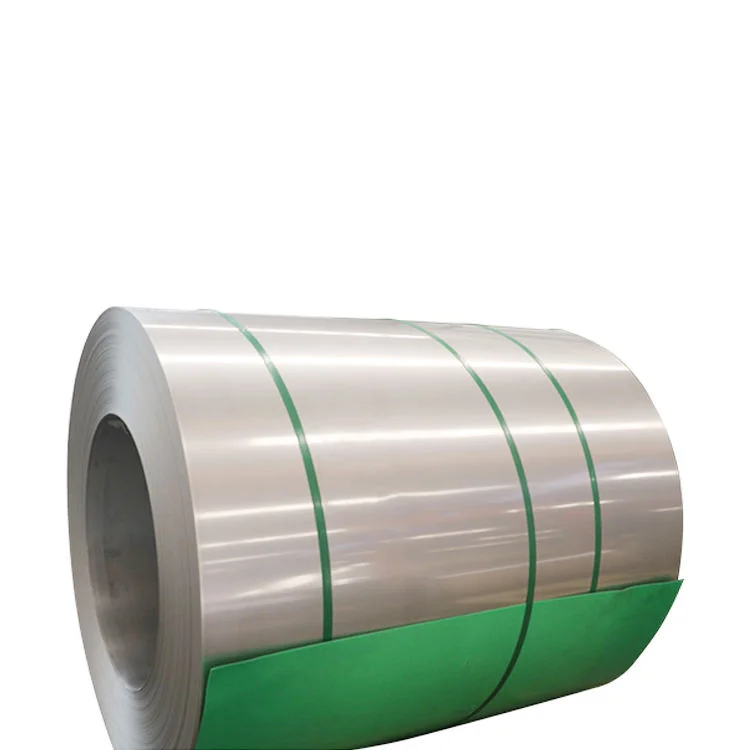
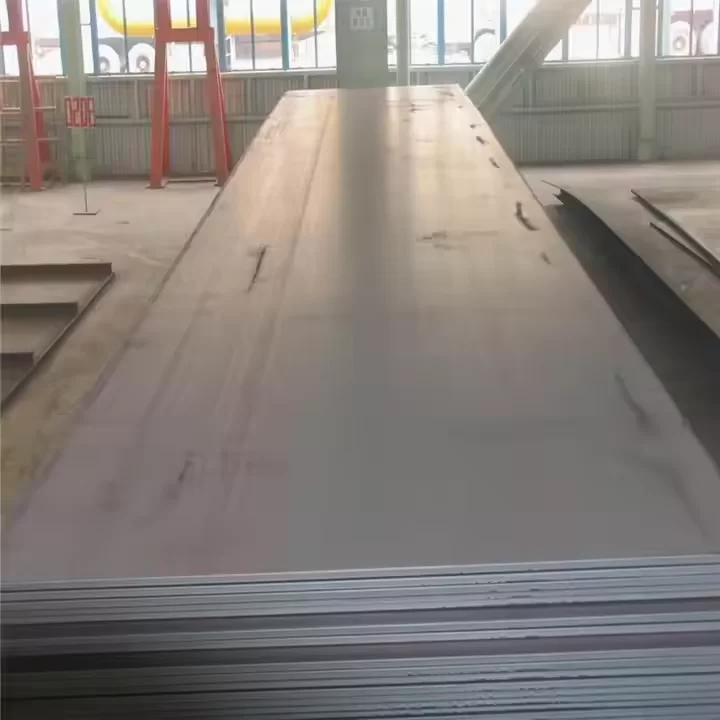
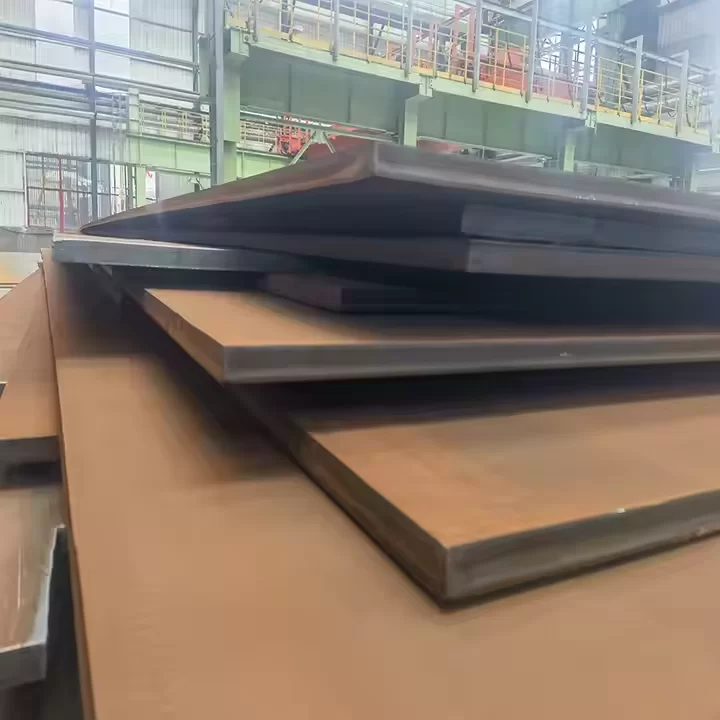
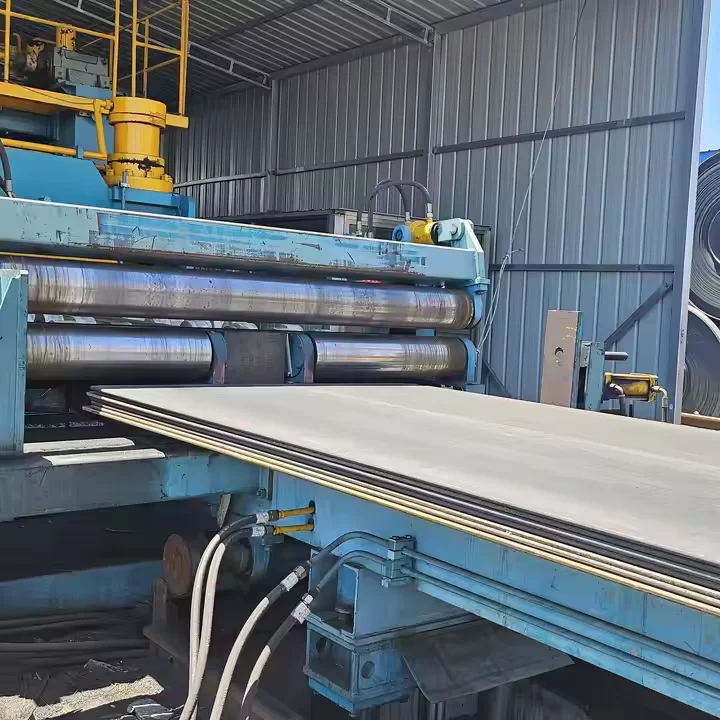
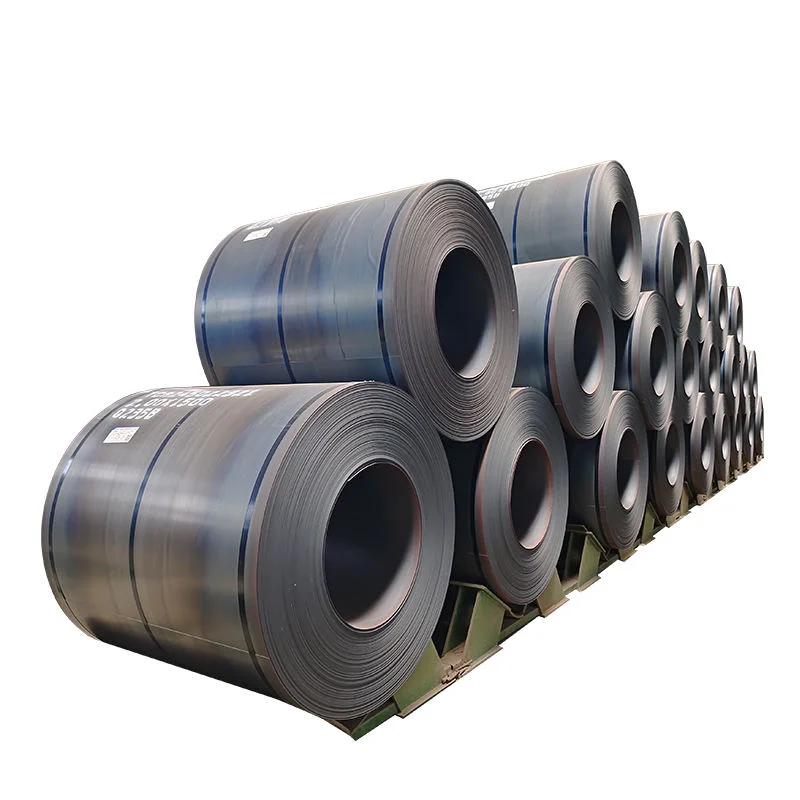
Kazakhstan's geography, characterized by vast steppes and a harsh continental climate, places immense stress on metal structures. The frequent cycle of extreme freezes and heat requires materials like cor ten steel plate which can withstand severe weathering without the need for constant painting or maintenance.

Currently, the industrial sector is shifting from traditional carbon steels to mild low alloy steel to enhance the lifespan of oil and gas pipelines and railway bridges. The regional demand is driven by the "Nurly Zhol" economic program, focusing on upgrading transport corridors.

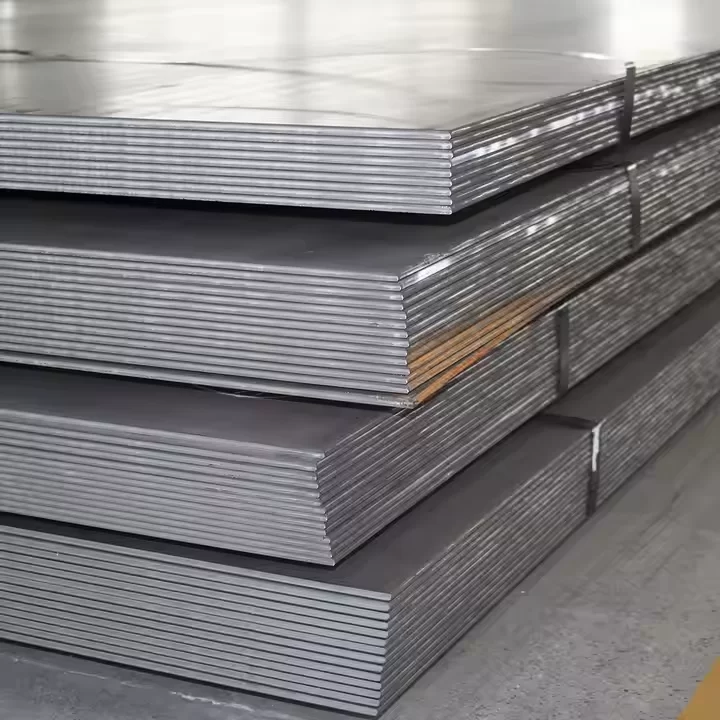
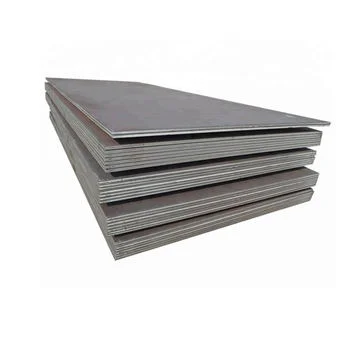
Local fabrication plants are increasingly adopting low carbon steels for general construction due to their excellent weldability and ductility, which are critical for assembling large-scale metal structures in remote Kazakh provinces.
Evolution of Steel Processing in Central Asia

From basic metallurgy to advanced atmospheric corrosion resistance.

Market Development History

In the 1980s and 90s, the region relied heavily on basic rolled steel, which suffered from rapid oxidation due to the high humidity of the Caspian basin and salty soils.

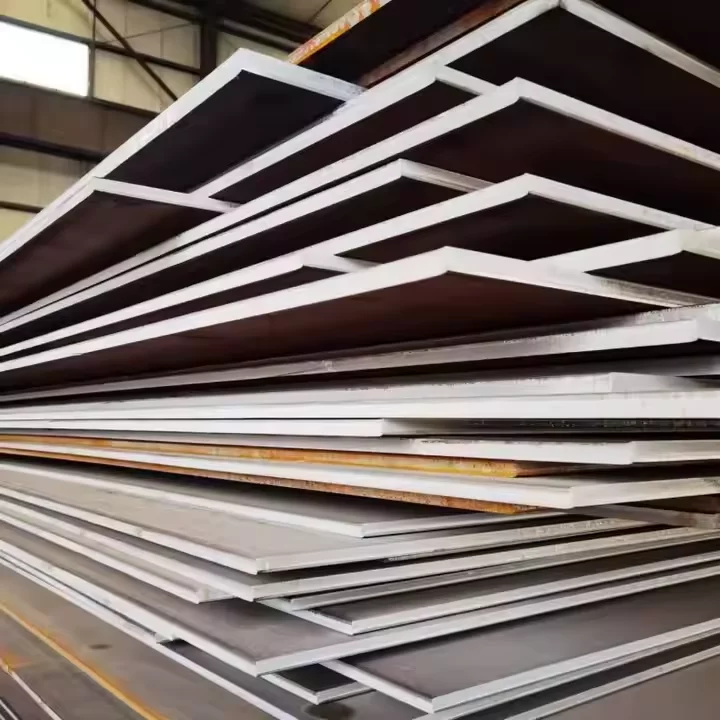
By the mid-2000s, the introduction of corten steel sheets revolutionized architectural facades and sculpture in cities like Almaty and Astana, blending aesthetic rustic tones with technical durability.

Since 2015, the focus has shifted toward high-precision rolling and laser cutting, allowing for the fabrication of complex modular structures that reduce on-site welding in Kazakhstan's challenging outdoor environments.

Future Development Trends

Nano-Alloy Integration

Integration of nano-particles into the steel matrix to further enhance the protective patina layer of weathering alloys.

Eco-Friendly Production

Transitioning toward "Green Steel" using hydrogen-based reduction to meet new EU-Asia environmental trade standards.

Smart Structural Monitoring

Embedding IoT sensors within heavy steel plates to monitor structural stress and corrosion rates in real-time.

Industry Trends and Future Outlook

Predicting the trajectory of metal structure manufacturing for the next 5 years.

Atmospheric Resistance
Increasing reliance on self-protecting oxides to eliminate paint costs in rural Kazakhstan.
Modular Fabrication
Shift toward off-site precision engineering to combat extreme winter construction delays.
Alloy Diversification
Expanding the use of low-alloy variants for specialized cryogenic oil pipeline applications.
Digital Twin Integration
Using BIM and digital twins to optimize the cutting of high-value alloy sheets.

Industry Outlook

The next 3-5 years will see Kazakhstan transitioning toward high-value-added steel products. As the region integrates more deeply with global trade, the demand for standardized, certified weathering steel plate will surge, particularly for sustainable urban development.

Google search trends indicate a rising interest in "maintenance-free construction" in Central Asia, suggesting that the market is moving away from traditional painted steel toward high-performance alloy alternatives.

Localized Applications in Kazakhstan

Practical implementations of advanced steel in Kazakh infrastructure and architecture.

1. Railway Bridge Support in Steppe Regions

Using weathering steel plate for bridge girders to prevent rust in the humid river valleys and salt-heavy plains of western Kazakhstan.

2. Oil & Gas Pipeline Frameworks

Implementing mild low alloy steel for pipeline supports that must remain structurally sound at temperatures as low as -40°C.

3. Modern Architectural Facades in Astana

Utilizing corten steel sheets to create sustainable, self-protecting exterior walls for government and cultural buildings.

4. Agricultural Grain Silos and Storage

Applying low carbon steels for the fabrication of massive storage containers that require high weldability and cost-efficiency.

5. Heavy Mining Equipment Chassis

Using reinforced alloy plates for the chassis of mining machinery in Karaganda, ensuring resistance to abrasion and impact.

Brand Story

Global Development Journey of Xingtai Baidi Technology Co., Ltd.

Industrial Foundation

Established as a precision rolling facility, focusing on solving the problem of inconsistent plate thickness in heavy industry.

Alloy Innovation

Developed proprietary processing techniques for weathering steels, reducing production lead times while increasing corrosion resistance.

Central Asian Expansion

Established a dedicated logistics and technical support network to serve the growing infrastructure needs of Kazakhstan.

Quality Certification

Achieved international standards for alloy steel production, enabling our products to be used in high-stakes energy projects.

Future Vision

Commitment to leading the transition toward zero-carbon steel fabrication for a sustainable global future.

Frequently Asked Questions for the Kazakh Market

Technical guidance on choosing the right steel for extreme environments.

How does weathering steel plate perform in Kazakhstan's winter?

Weathering steel is designed to maintain structural integrity and corrosion resistance even in extreme temperature swings, as its protective patina layer remains stable during freeze-thaw cycles.

What is the difference between corten steel sheets and mild steel?

Corten steel contains alloying elements like copper and chromium that create a self-protecting rust layer, whereas mild steel requires coating or painting to prevent oxidation.

Can low carbon steels be used for heavy-duty metal structures?

Yes, they are ideal for structural frameworks where weldability and formability are prioritized over extreme corrosion resistance.

Why choose mild low alloy steel for oil pipelines in Central Asia?

These steels offer a superior balance of strength and toughness, reducing the risk of brittle fractures in cold climates compared to standard carbon steel.

What maintenance is required for weathering steel installations?

Virtually none. Once the protective patina is established, the steel does not require painting, making it highly cost-effective for remote Kazakh locations.

Do you provide customized cutting for corten steel sheets?

Yes, we provide high-precision CNC laser and plasma cutting to meet the exact specifications of your architectural or engineering blueprints.

Request a Technical Consultation

Partner with the leading steel experts to optimize your next project in Kazakhstan.

Contact Us Now

If you are interested in our products, you can choose to leave your information here, and we will be in touch with you shortly.