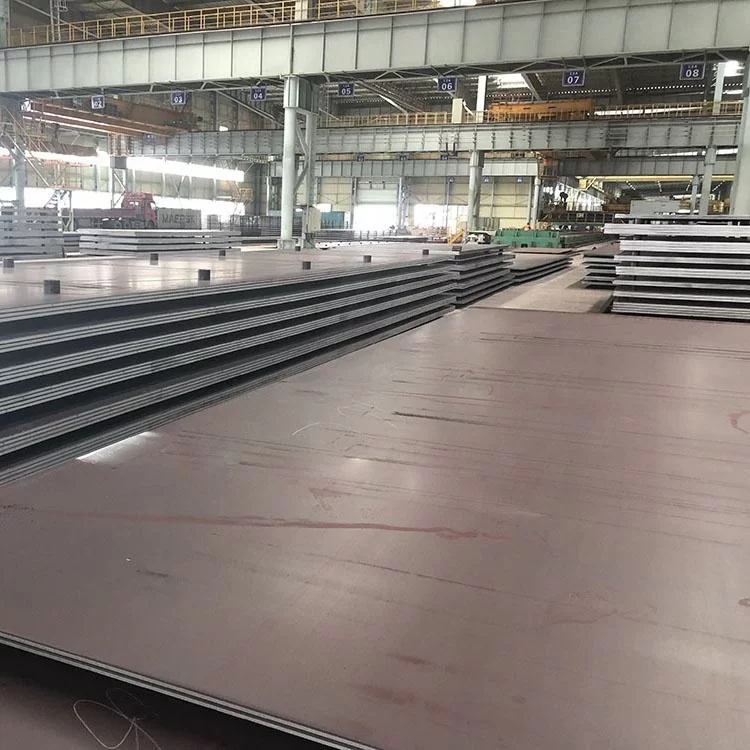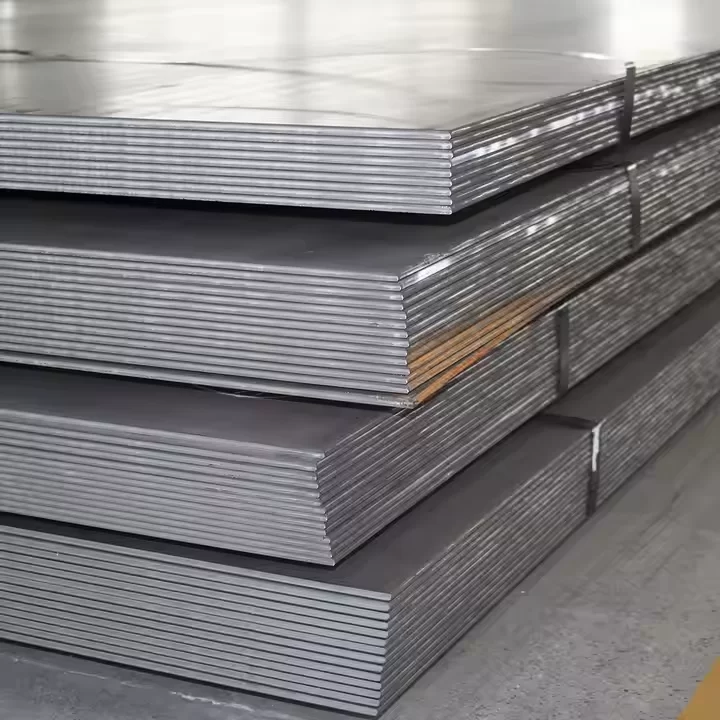
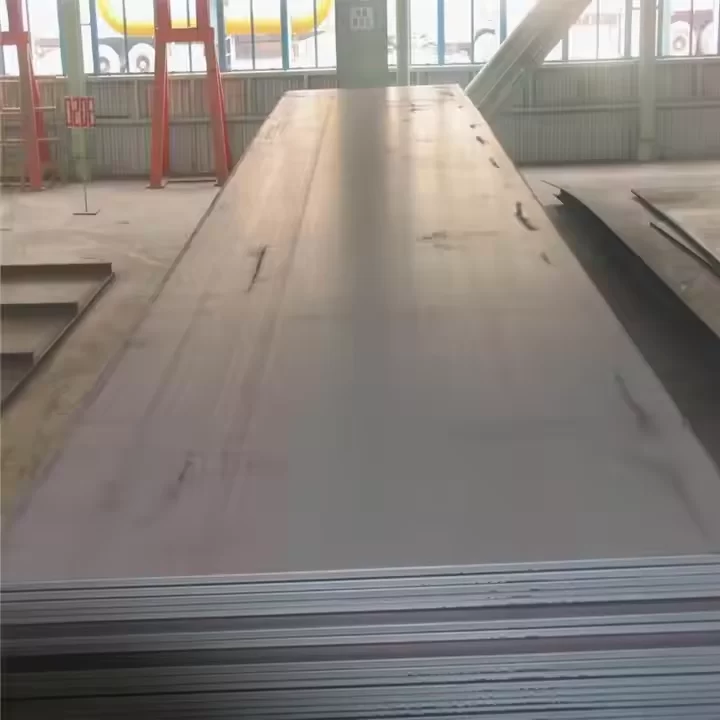
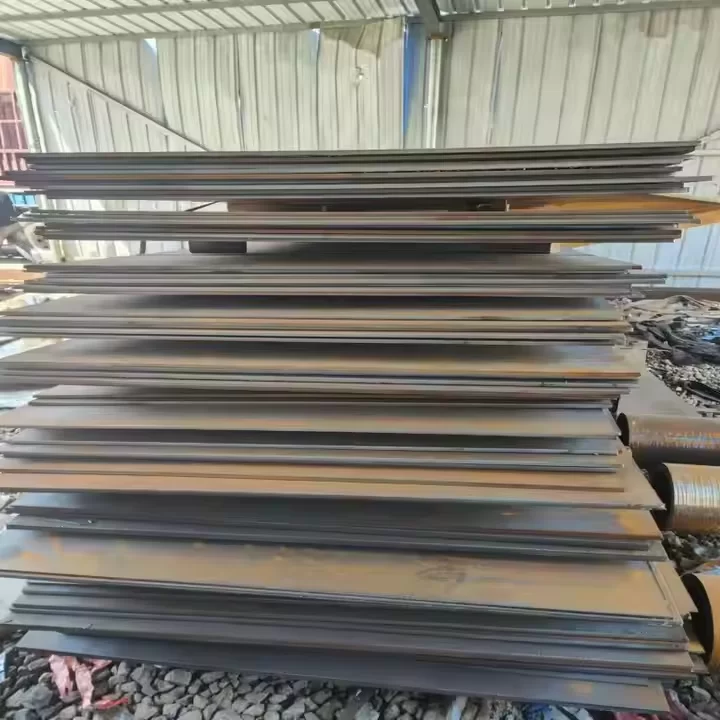
Industrial Steel Solutions for Brazil Premium weathering steel plate

Industrial Steel Solutions for Brazil: Premium weathering steel plate

High-performance metallurgical solutions engineered for Brazil's demanding infrastructure and architectural landscapes, ensuring durability in tropical and coastal climates.

Steel Infrastructure Landscape in Brazil

Analyzing the intersection of Brazil's aggressive climate and industrial steel demands.

Brazil's vast geographical expanse and diverse climate, ranging from the humid tropical rainforests of the Amazon to the salty coastal air of Rio de Janeiro and São Paulo, place extreme stress on metal structures. The local industry has seen a surge in demand for cor ten steel plate due to its ability to form a protective rust-like layer that inhibits further corrosion, eliminating the need for costly painting in remote mining regions.

In the heart of Brazil's industrial hubs, the reliance on low carbon steels remains high for general fabrication. However, the shift toward sustainable urban development is driving engineers to seek materials that offer longer lifecycles and lower maintenance overheads, particularly in the construction of bridges and public art installations.

The current market is characterized by a transition from basic structural steel to specialized alloys. The integration of mild low alloy steel has become critical for the Brazilian agricultural machinery sector, where strength-to-weight ratios must be optimized to handle the scale of large-scale soy and corn production.
Evolution and Trajectory of Brazilian Steel Fabrication

From traditional smelting to the era of high-precision alloy engineering.

Market Development History

During the mid-20th century, Brazil's steel industry focused heavily on basic carbon steel for rapid urbanization. The primary focus was on volume and basic structural integrity, utilizing standard rolling processes for mass-market construction.

By the 1990s and early 2000s, a technical shift occurred. The introduction of corten steel sheets revolutionized architectural design in Brasília and São Paulo, allowing for organic, weathered aesthetics that blended with the natural landscape while resisting the humid climate.

In the last decade, the industry has moved toward "Smart Metallurgy." The focus has shifted to precise chemical compositions, ensuring that every plate meets international ASTM and EN standards to support Brazil's export-led manufacturing growth.

Future Development Trends

Green Steel Initiatives

Driven by global ESG standards, Brazilian mills are pivoting toward hydrogen-based reduction to lower the carbon footprint of structural steel production.

Advanced Corrosion Resistance

There is a growing trend toward enhanced weathering alloys that can withstand the high salinity of the Atlantic coast more effectively than traditional grades.

Digital Fabrication Integration

The adoption of BIM (Building Information Modeling) is creating a demand for customized, pre-cut steel components with micron-level precision.

Industry Trends and Future Outlook

Predicting the shift in metallurgical demands for the South American market.

Sustainable Sourcing
Increased demand for recycled content and low-emission steel production to meet Brazilian environmental regulations.
Alloy Optimization
Precision blending of chromium and nickel to optimize performance for Brazil's heavy mining equipment.
Coastal Protection
Specialization in weathering steel for maritime infrastructure along the Brazilian coastline.
Logistics Automation
Implementing automated rolling and cutting services to speed up delivery to Brazil's interior.

Industry Outlook

Based on Google search trends in South America, there is a rising interest in "sustainable architecture" and "low-maintenance steel," indicating that the Brazilian market is moving away from traditional carbon steel toward higher-value weathering alloys.

Over the next 3-5 years, we expect a significant increase in the adoption of hybrid steel structures that combine the cost-effectiveness of mild steel with the durability of weathering steel in strategic high-stress areas.

Localized Applications in Brazil

Real-world implementation of professional steel solutions across Brazilian industries.

01. Amazonian Mining Infrastructure

Utilizing weathering steel plate for conveyor systems and storage bins to resist extreme humidity and acidic soil conditions in the North region.

02. São Paulo Urban Architecture

Application of corten steel sheets for facade cladding in modern corporate buildings, reducing long-term painting costs and providing a unique industrial aesthetic.

03. Paraná Agricultural Machinery

Manufacturing of heavy-duty plows and harvesters using mild low alloy steel to ensure equipment longevity under high mechanical stress.

04. Coastal Bridge Reinforcement

Using high-grade structural steel to reinforce bridges in Rio de Janeiro, focusing on resistance to chloride-induced corrosion from the Atlantic Ocean.

05. Industrial Warehousing

Large-scale implementation of low carbon steels for standardized warehouse framing and mezzanine floors in Minas Gerais industrial parks.

Brand Story

Global Development History of Xingtai Baidi Technology Co., Ltd.

Foundational Excellence

Established with a mission to solve the volatility of steel quality in heavy manufacturing, focusing on rigorous metallurgical standards.

Technical Breakthroughs

Developed proprietary rolling techniques that enhanced the uniformity of weathering alloys, reducing surface defects for architectural use.

Global Expansion

Expanded operations to South America, tailoring product specifications to meet the unique climatic challenges of Brazil.

Quality Certification

Achieved international certifications for low-alloy steel, ensuring seamless integration into global engineering projects.

Future Vision

Commitment to leading the "Green Steel" transition, providing carbon-neutral materials for the next generation of infrastructure.

Common Questions on Steel in Brazil

Expert answers to technical and logistical queries for the Brazilian market.

How does cor ten steel plate perform in Brazil's humid coastal regions?

Corten steel forms a dense, adherent oxide layer that protects the underlying metal. In humid regions, this process is accelerated, providing a durable barrier that resists deep corrosion better than standard carbon steels.

What are the main advantages of using corten steel sheets for urban architecture in São Paulo?

The primary advantages are the elimination of painting and maintenance costs, combined with a modern aesthetic that complements the urban industrial landscape and resists atmospheric pollutants.

When should I choose mild low alloy steel over standard carbon steel for machinery?

Choose mild low alloy steel when your application requires higher yield strength and better wear resistance without significantly increasing the weight of the component, which is ideal for agricultural equipment.

Are low carbon steels suitable for general construction in Minas Gerais?

Yes, low carbon steels are highly weldable and ductile, making them the industry standard for general structural frames, mezzanines, and warehouses where extreme corrosion resistance is not the primary requirement.

What is the typical lead time for weathering steel plate shipments to Brazil?

Lead times vary based on order volume and shipping methods, but our optimized logistics chain ensures competitive delivery times to major Brazilian ports like Santos and Paranaguá.

Does your steel comply with ABNT standards for the Brazilian market?

Our products are manufactured to meet or exceed global standards (ASTM/EN), which are fully compatible with and often surpass the requirements of ABNT standards for structural and alloy steel.

Consult Our Steel Experts

Ready to upgrade your infrastructure with high-performance steel? We provide customized metallurgical solutions tailored specifically for Brazil.

Contact Us Now

If you are interested in our products, you can choose to leave your information here, and we will be in touch with you shortly.