Hit enter to search or ESC to close
2 February 2026
Galvanized stainless steel sheet is a versatile material renowned for its durability, corrosion resistance, and aesthetic appeal. It's a popular choice across numerous industries, from construction and automotive to appliance manufacturing and chemical processing. This article will explore the properties, applications, benefits, and considerations when selecting galvanized stainless steel sheet, offering valuable insights for engineers, procurement professionals, and anyone seeking a robust and reliable material. Understanding the nuances of this material will help you make informed decisions for your specific project needs.
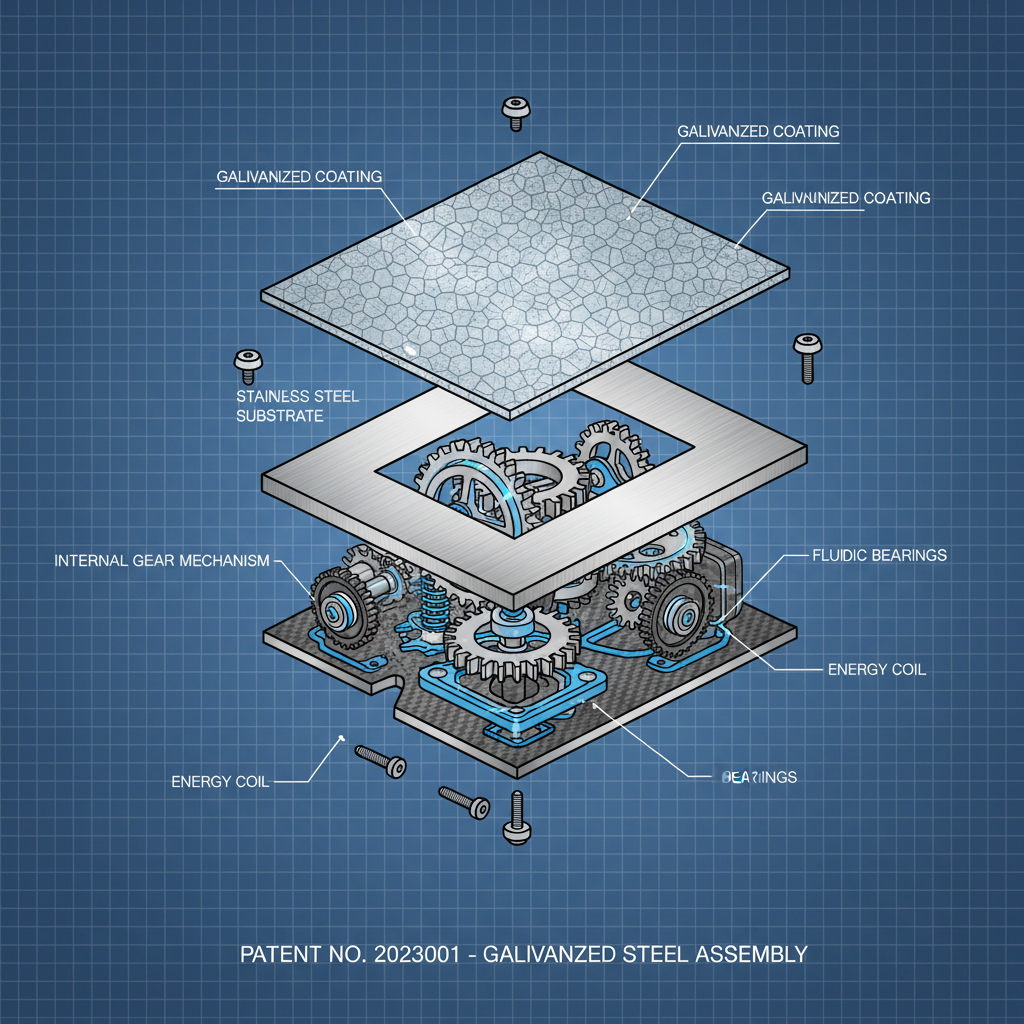
Galvanized stainless steel sheet combines the inherent strengths of both stainless steel and the protective layer of galvanization. Stainless steel offers excellent corrosion resistance due to its chromium content, while galvanization, typically a zinc coating, provides an additional barrier against environmental factors. This combination results in a material that's exceptionally resistant to rust, even in harsh conditions. The zinc coating acts as a sacrificial anode, corroding before the underlying steel, thereby protecting it. This is particularly useful in outdoor applications or environments with high salinity.
Key Highlights: Offers exceptional corrosion resistance, combining the benefits of stainless steel and galvanization. Provides a sacrificial layer of protection to prevent rust. Ideal for a wide range of indoor and outdoor applications.
The versatility of galvanized stainless steel sheet leads to its widespread use across diverse sectors. In construction, it's utilized for roofing, cladding, and structural components. The automotive industry leverages it for body panels and exhaust systems. Appliance manufacturers use it for durable casings and internal components. The chemical processing industry relies on it for tanks, pipelines, and vessels requiring superior corrosion resistance. It's also common in ventilation systems, agricultural equipment, and various architectural applications.
Common Applications:
• Roofing and Cladding
• Automotive Body Panels
• Chemical Processing Tanks
• Appliance Casings
Different grades of stainless steel are used to create galvanized stainless steel sheets, each offering varying levels of corrosion resistance and mechanical properties. Common grades include 304, 316, and 430. Type 304 is a general-purpose austenitic stainless steel, offering good corrosion resistance and weldability. Type 316 contains molybdenum, enhancing its resistance to chlorides and making it suitable for marine environments. Type 430 is a ferritic stainless steel, offering good corrosion resistance at a lower cost, but with reduced ductility compared to austenitic grades. The galvanization process can be hot-dip galvanizing or electrogalvanizing, each influencing the coating thickness and adherence.
Choosing galvanized stainless steel sheet offers numerous advantages. The primary benefit is its exceptional corrosion resistance, significantly extending the lifespan of components and reducing maintenance costs. Its high strength-to-weight ratio makes it ideal for structural applications where weight is a concern. The material is also aesthetically pleasing, with a bright, metallic finish. Furthermore, it’s 100% recyclable, contributing to sustainable building practices. Compared to other materials, galvanized stainless steel sheet offers a superior combination of performance, durability, and environmental responsibility.
When sourcing galvanized stainless steel sheet, several factors should be considered. The specific application will dictate the required grade of stainless steel and the type of galvanization. The thickness of the sheet will influence its strength and durability. It's crucial to verify the supplier's quality control procedures to ensure consistent material properties. Cost is also a factor, but prioritizing quality and performance will often result in long-term savings. Consider the lead time and availability, especially for large-scale projects.
Selecting the right galvanized stainless steel sheet requires careful consideration of application requirements, grade selection, and supplier quality. BaidySteel provides a wide range of high-quality galvanized stainless steel sheets to meet diverse industry needs. By understanding the benefits and considerations outlined in this guide, you can make an informed decision and ensure a durable, reliable, and cost-effective solution for your projects.
The lifespan of galvanized stainless steel sheet varies depending on the environment and the grade of stainless steel used. In general, it can last for 50 years or more in relatively mild environments. However, in harsh conditions, such as coastal areas with high salt exposure, the lifespan may be shorter. Regular inspection and maintenance can help extend its lifespan. The zinc coating provides sacrificial protection, gradually corroding over time, but significantly delaying the corrosion of the underlying stainless steel.
Yes, galvanized stainless steel sheet can be painted, but proper surface preparation is crucial. The surface should be thoroughly cleaned and degreased to remove any oils or contaminants. A self-etching primer is recommended to promote adhesion. Choosing a paint specifically designed for metal surfaces will ensure optimal performance and durability. Consider a top coat that offers UV protection to prevent fading and degradation.
Several methods can be used to cut galvanized stainless steel sheet, including shearing, sawing, laser cutting, and plasma cutting. Shearing is a cost-effective option for straight cuts, while sawing is suitable for more complex shapes. Laser cutting offers high precision and minimal heat affected zone, making it ideal for intricate designs. Plasma cutting is a faster option for thicker sheets. The choice of method depends on the thickness of the sheet, the complexity of the cut, and the desired edge quality.
The suitability of galvanized stainless steel sheet for food contact applications depends on the specific grade and the intended use. Type 304 stainless steel is generally considered safe for food contact, but the galvanization process may introduce zinc, which is regulated in food applications. Ensure the galvanized coating meets relevant food safety standards, such as those set by the FDA, before using it in direct food contact applications. Often, post-treatment or specific coating processes are required to ensure compliance.