Hit enter to search or ESC to close
2 February 2026
Galvanized steel flat sheet is a versatile material widely used across various industries, from construction and automotive to manufacturing and appliance production. Its durability, corrosion resistance, and cost-effectiveness make it a preferred choice for numerous applications. This article provides an in-depth look at galvanized steel flat sheet, covering its properties, applications, grades, and factors to consider when sourcing. Understanding the nuances of this material can help you make informed decisions for your specific needs. Explore our range of high-quality galvanized steel flat sheets at Baidysteel.
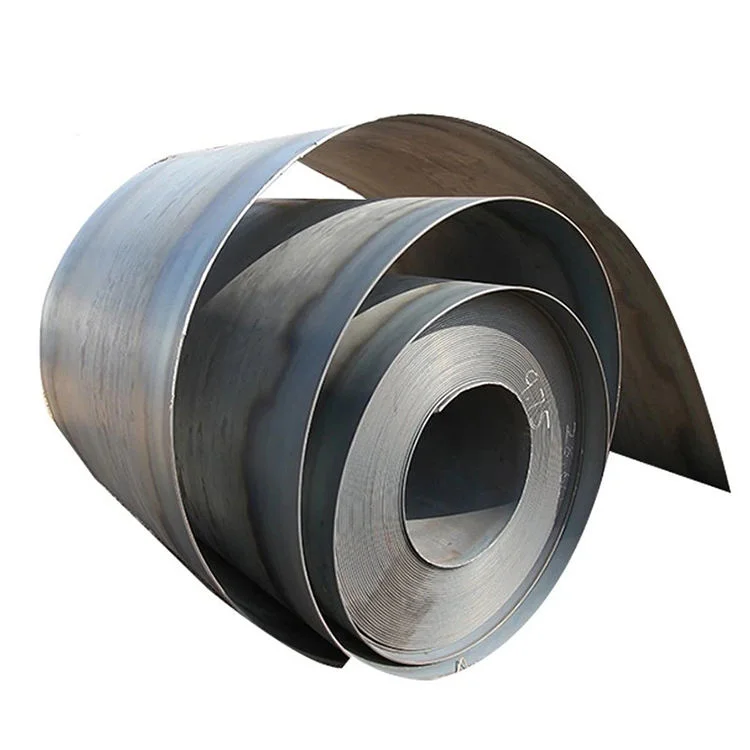
Galvanized steel flat sheet is created by coating a base metal, typically carbon steel, with a protective layer of zinc. This process, known as galvanization, significantly enhances the steel’s resistance to corrosion and rust. The zinc layer acts as a sacrificial anode, meaning it corrodes before the steel, protecting the underlying material. There are several galvanization methods, including hot-dip galvanizing, electro-galvanizing, and galvannealing. The choice of method impacts the thickness of the zinc coating and the final properties of the sheet.
Key Benefits: Superior corrosion resistance, extended lifespan, reduced maintenance costs, cost-effectiveness compared to other corrosion-resistant materials, and excellent formability.
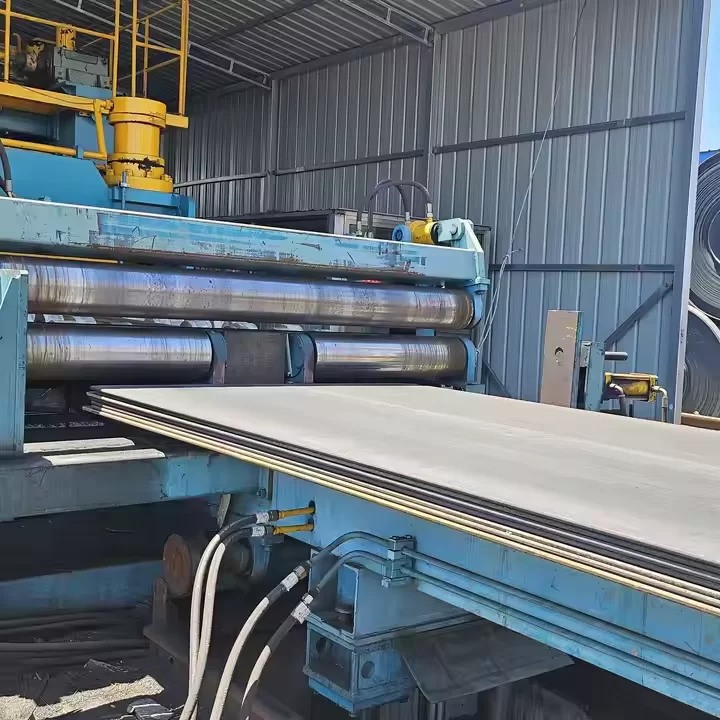
The versatility of galvanized steel flat sheet leads to its use in a vast array of applications. In the construction industry, it’s used for roofing, cladding, gutters, and structural components. The automotive sector relies on it for body panels and chassis parts. Manufacturing utilizes it for appliance casings, ductwork, and industrial equipment. Additionally, it finds applications in agricultural machinery, fencing, and various consumer products. The ability to cut, weld, and form galvanized steel easily contributes to its widespread adoption.
Common Applications:
• Roofing and Cladding
• Automotive Body Panels
• Appliance Casings
• Structural Components
Galvanized steel flat sheet comes in various grades and specifications to meet different application requirements. Common steel grades include ASTM A36, A653, and DX51D. The zinc coating thickness is a critical specification, typically measured in grams per square meter (gsm). Common zinc coating levels include G21, G30, G60, G90, and G120. Higher gsm values indicate a thicker coating and greater corrosion resistance. Furthermore, the sheet can be produced in different finishes, such as mill finish, spangle finish, and painted finish.
Several methods exist for applying a zinc coating to steel, each with its own advantages and disadvantages. Hot-dip galvanizing provides a thick, durable coating, ideal for harsh environments. Electro-galvanizing offers a smoother, more uniform coating, often used for applications requiring precise tolerances. Galvannealing combines galvanizing with an annealing process, improving the steel's formability and weldability. Understanding these differences is crucial for selecting the optimal galvanization method for your project.
When sourcing galvanized steel flat sheet, consider factors such as the required grade, zinc coating thickness, sheet dimensions, and desired finish. Also, evaluate the supplier’s quality control processes and certifications. Ensure the material meets relevant industry standards. Lead times and pricing are also important considerations. Working with a reputable supplier like Baidysteel can ensure you receive high-quality materials and reliable service.
Selecting the right galvanized steel flat sheet is crucial for the longevity and performance of your projects. By understanding the various grades, specifications, and galvanization methods, you can make informed decisions that meet your specific requirements. Partnering with a reliable supplier like Baidysteel ensures you receive high-quality materials and expert support. Don’t compromise on quality – choose the right galvanized steel for lasting results.
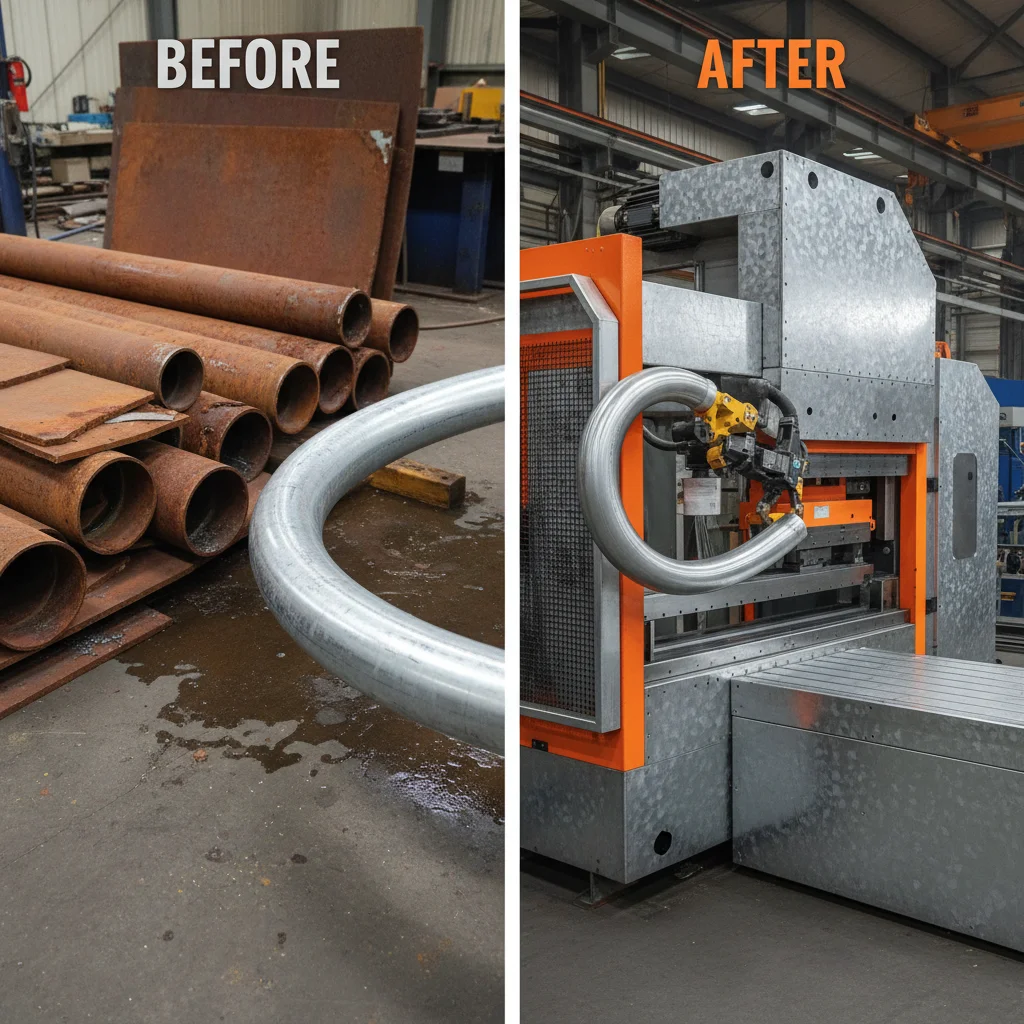
The primary advantage of galvanized steel is its superior corrosion resistance, which significantly extends its lifespan compared to unprotected steel. This reduces maintenance costs and replacement frequency. Galvanized steel is also strong, durable, and cost-effective, making it a versatile material for a wide range of applications. Its formability and weldability further enhance its practicality.
The zinc coating protects steel through a process called galvanic corrosion. Zinc is more electrochemically active than steel, meaning it corrodes preferentially. This sacrificial action protects the underlying steel even if the coating is scratched or damaged. The zinc also forms a protective layer of zinc carbonate when exposed to the atmosphere, further inhibiting corrosion.
Hot-dip galvanizing involves immersing the steel in a bath of molten zinc, resulting in a thicker, more durable coating ideal for harsh environments. Electro-galvanizing uses an electrical current to deposit a thinner, more uniform coating, often preferred for applications requiring precise tolerances and a smoother finish. Hot-dip generally provides better corrosion protection, while electro-galvanizing offers better surface quality.