Hit enter to search or ESC to close
11 March 2026
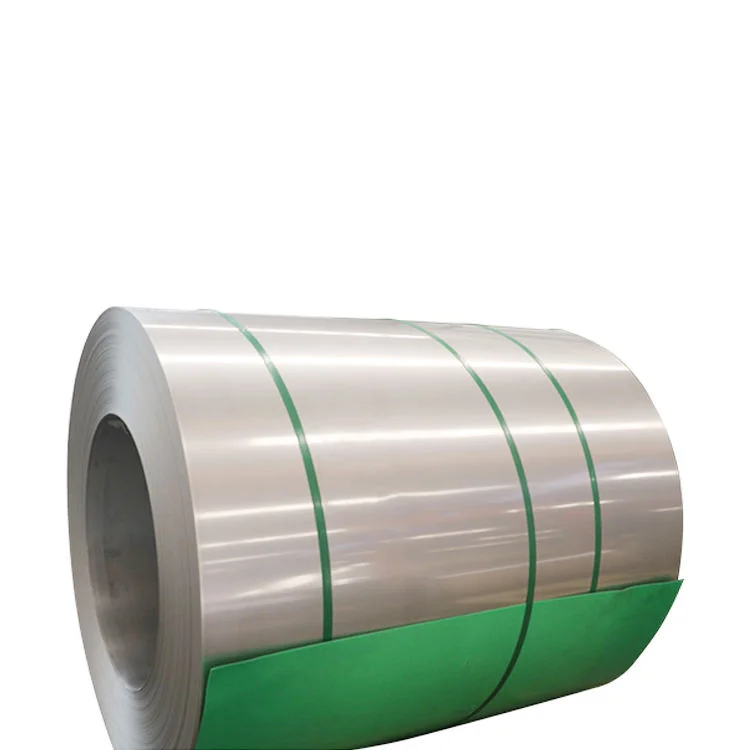
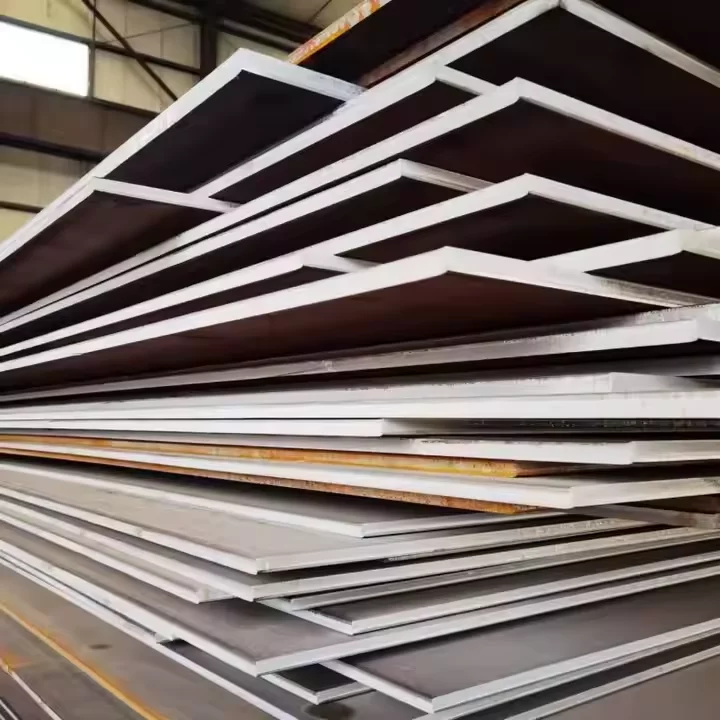
Galvanized iron sheets are a staple in construction, manufacturing, and various industrial applications due to their durability and corrosion resistance. This article provides a detailed observation of sheet of galvanized iron, covering its properties, applications, manufacturing processes, and important considerations for buyers. We’ll explore how BaidySteel provides high-quality galvanized iron sheets to meet diverse customer needs. Understanding the characteristics of galvanized iron is crucial for making informed decisions in your projects.
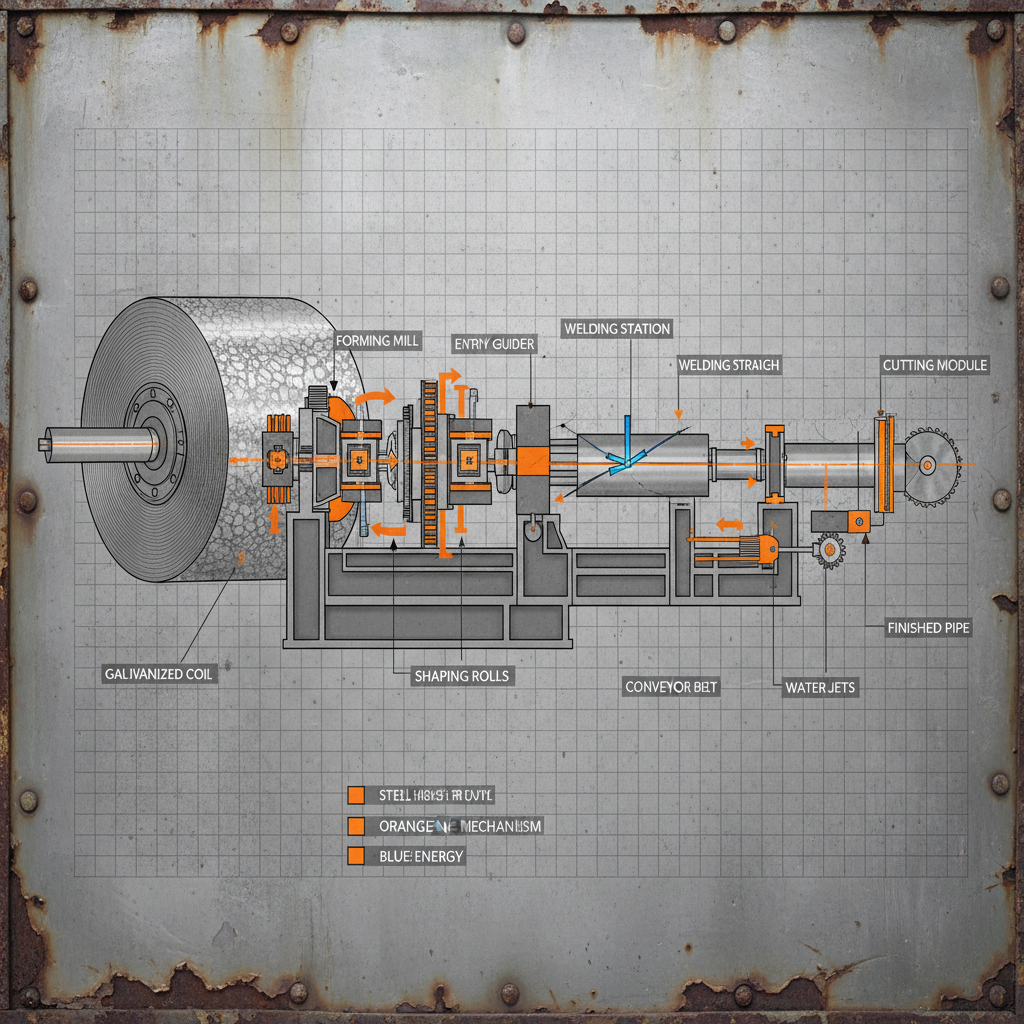
A sheet of galvanized iron is created by coating a base metal, typically steel or iron, with a protective layer of zinc. This galvanization process dramatically improves the metal's resistance to rust and corrosion. The zinc layer acts as a barrier, preventing moisture and oxygen from reaching the underlying metal. The most common method is hot-dip galvanization, where the steel is submerged in a bath of molten zinc. This results in a metallurgically bonded coating providing long-lasting protection. Different grades and thicknesses are available to suit specific applications.
Key Takeaway: Galvanization is a crucial process enhancing the longevity and reliability of iron and steel in challenging environments.
The versatility of sheet of galvanized iron makes it suitable for a broad spectrum of applications. In construction, it’s commonly used for roofing, cladding, gutters, downspouts, and fencing. Industrial applications include manufacturing of ductwork, storage tanks, and various structural components. Agricultural uses encompass roofing for barns and livestock shelters. Moreover, galvanized iron is found in automotive parts, appliance housings, and even household items like buckets and flashing. BaidySteel caters to these diverse industries with a wide range of galvanized iron sheet products.
Common Applications:
• Construction (Roofing, Cladding)
• Industrial Manufacturing (Ductwork, Tanks)
• Agricultural Structures (Barn Roofing)
• Automotive and Appliance Components
Several methods are employed for galvanizing iron sheets, each with its own advantages and disadvantages. Hot-dip galvanization is the most widely used due to its cost-effectiveness and robust coating. Electrogalvanizing offers a smoother, more consistent finish, making it suitable for applications requiring precise dimensions. Galvannealing involves heating galvanized steel to create an iron-zinc alloy, enhancing paint adhesion. Finally, zinc spraying offers flexibility for on-site applications. Choosing the right method depends on the specific requirements of the project.
Selecting the right sheet of galvanized iron requires careful consideration of several factors. Thickness, measured in gauge, determines the sheet's strength and suitability for different applications. Zinc coating weight, measured in grams per square meter (gsm), dictates the level of corrosion protection. Surface finish impacts appearance and paint adhesion. Consider the intended environment – more corrosive environments require higher zinc coating weights. Finally, ensure the supplier, like BaidySteel, adheres to quality standards and provides reliable certifications.
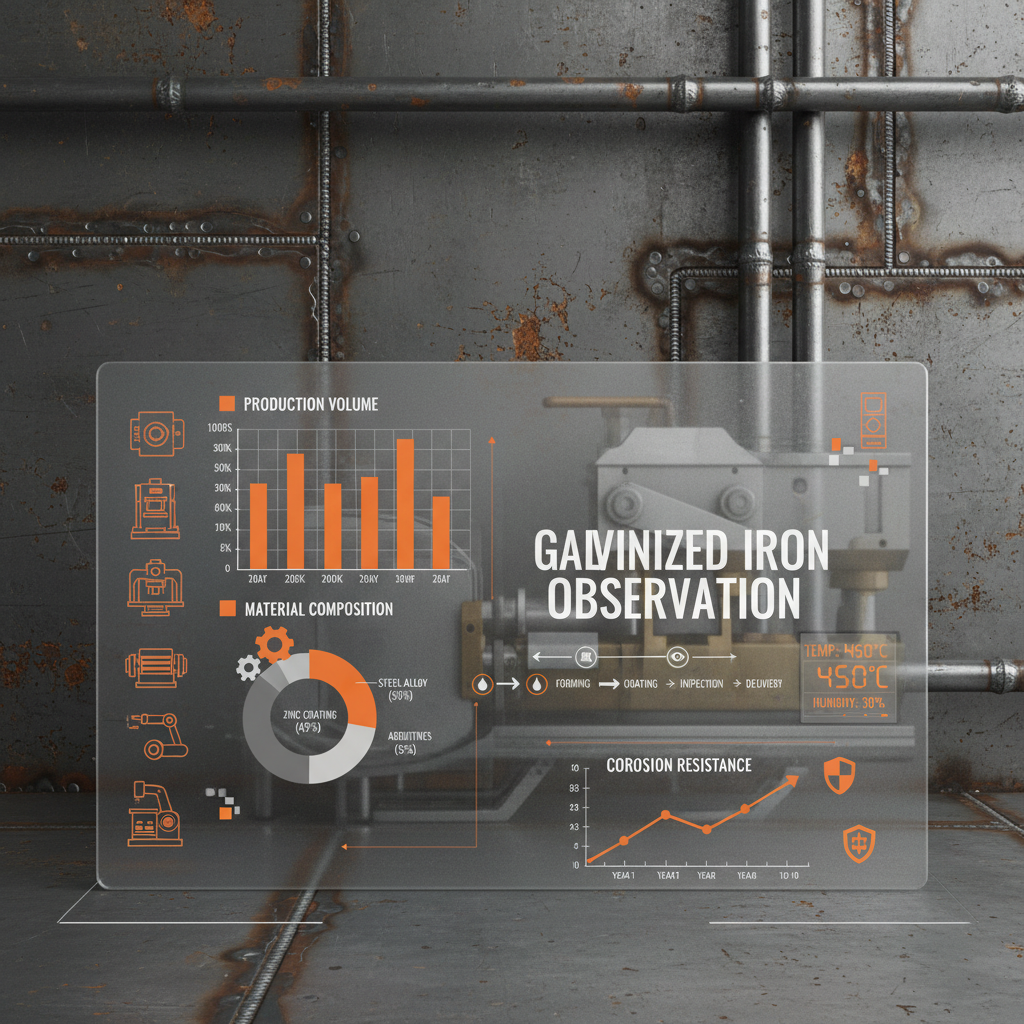
Here's a typical breakdown of product specifications you might find when sourcing galvanized iron sheets. Please note that specific ranges may vary depending on the supplier and manufacturing standards.
Selecting the appropriate sheet of galvanized iron is a crucial decision for any project. By understanding the galvanization process, applications, and key specifications, you can ensure you’re investing in a durable and reliable material. BaidySteel offers a comprehensive range of high-quality galvanized iron sheets, backed by expert support and competitive pricing. Contact us today to discuss your project requirements.
The lifespan of galvanized iron sheets varies depending on the environment and the thickness of the zinc coating. In relatively mild environments, sheets can last for 50 years or more. However, in harsh coastal or industrial environments with high levels of salinity or pollutants, the lifespan may be reduced to 20-30 years. Regular inspection and maintenance, such as applying protective coatings, can help extend the lifespan. The quality of the initial galvanization process also plays a critical role.
Yes, galvanized iron sheets can be painted, but proper surface preparation is crucial for good adhesion. The surface should be thoroughly cleaned to remove any oil, dirt, or loose zinc particles. A self-etching primer is often recommended to improve adhesion to the zinc coating. Use a high-quality paint formulated for metal surfaces. Painting galvanized iron provides an additional layer of protection against corrosion and enhances its aesthetic appeal.
Galvanized iron is generally considered environmentally friendly. Zinc is a naturally occurring element, and galvanized steel is 100% recyclable. The galvanization process itself produces minimal waste. However, it’s important to handle galvanized iron responsibly, avoiding the release of zinc dust into the environment. Proper disposal and recycling practices are essential.