Hit enter to search or ESC to close
10 March 2026
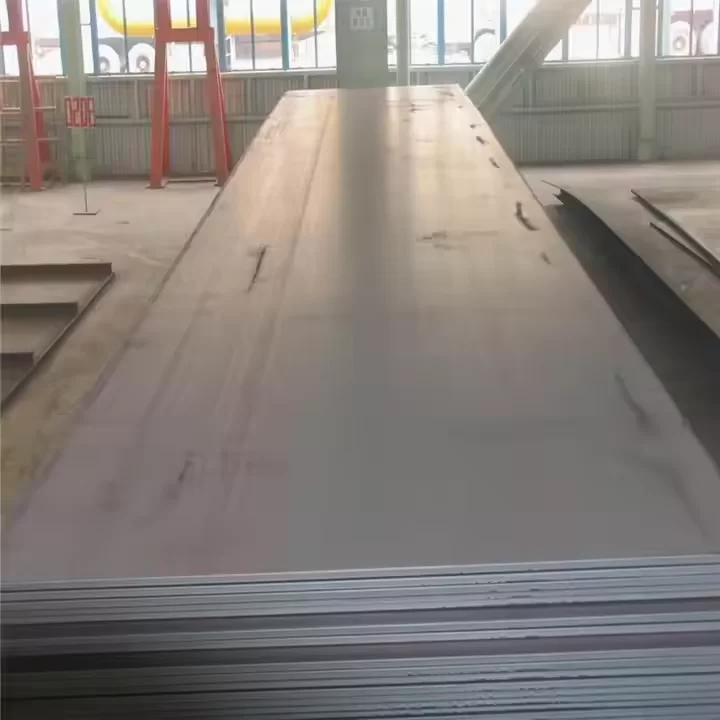
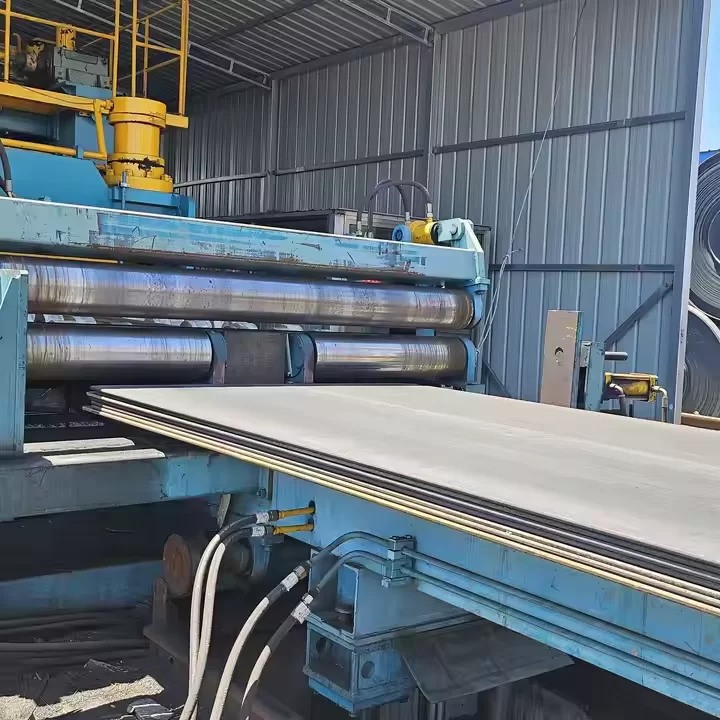
A sheet of galvanized steel is a versatile material widely used across numerous industries. Its corrosion resistance, strength, and cost-effectiveness make it an ideal choice for a wide range of applications. This article will delve into the properties, applications, and benefits of galvanized steel, providing a comprehensive guide for professionals and those looking to understand this important material. Selecting the right material is crucial for project longevity and success, and a sheet of galvanized steel often presents an optimal solution.
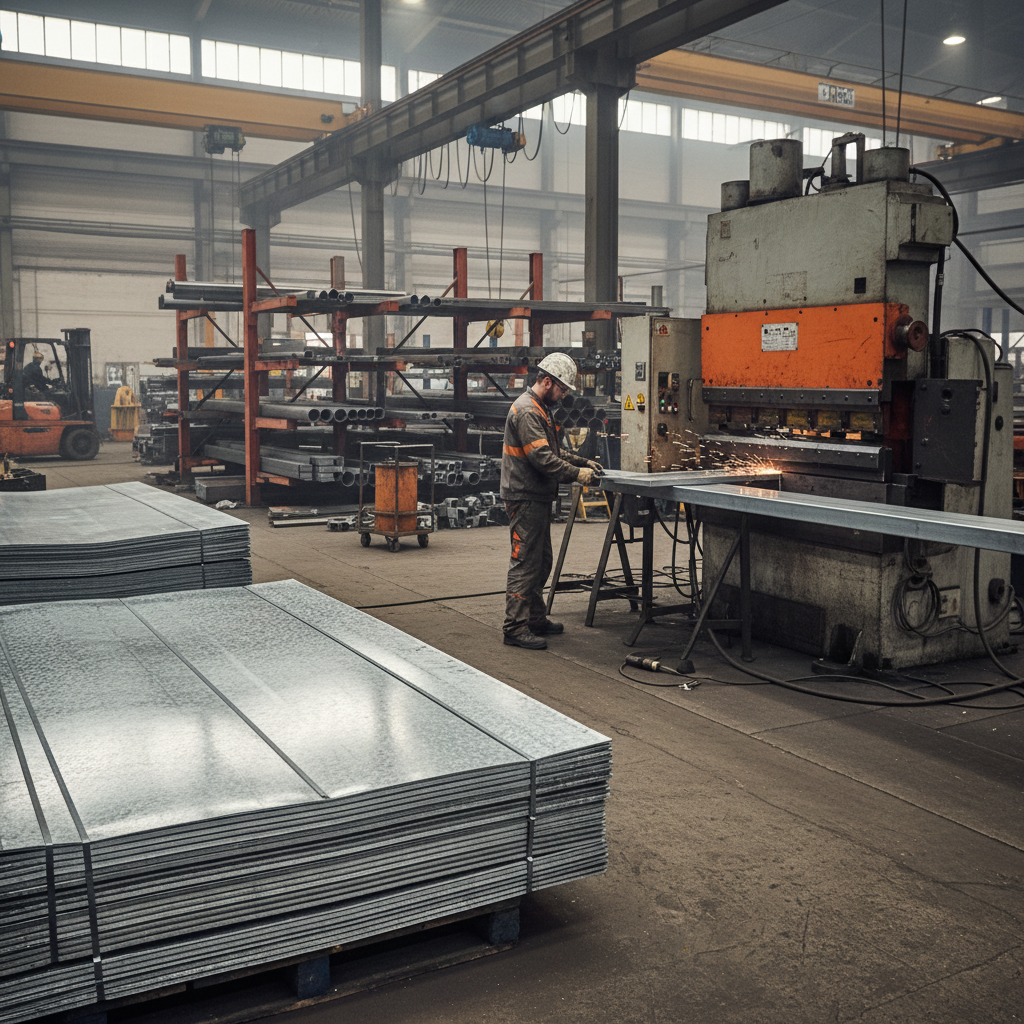
Galvanized steel is created through a process called galvanization, where a protective zinc coating is applied to carbon steel or iron. This coating protects the steel from corrosion and rust, significantly extending its lifespan. The most common method is hot-dip galvanization, where the steel is submerged in a bath of molten zinc. Other methods include electrogalvanizing, pre-galvanizing, and zinc spraying. The zinc coating acts as a barrier, preventing corrosive elements from reaching the steel. This protective layer sacrifices itself before the steel does, offering superior protection.
Key Highlights: Galvanization is a crucial process to protect steel from rust and corrosion. Hot-dip galvanization is the most common and effective method.
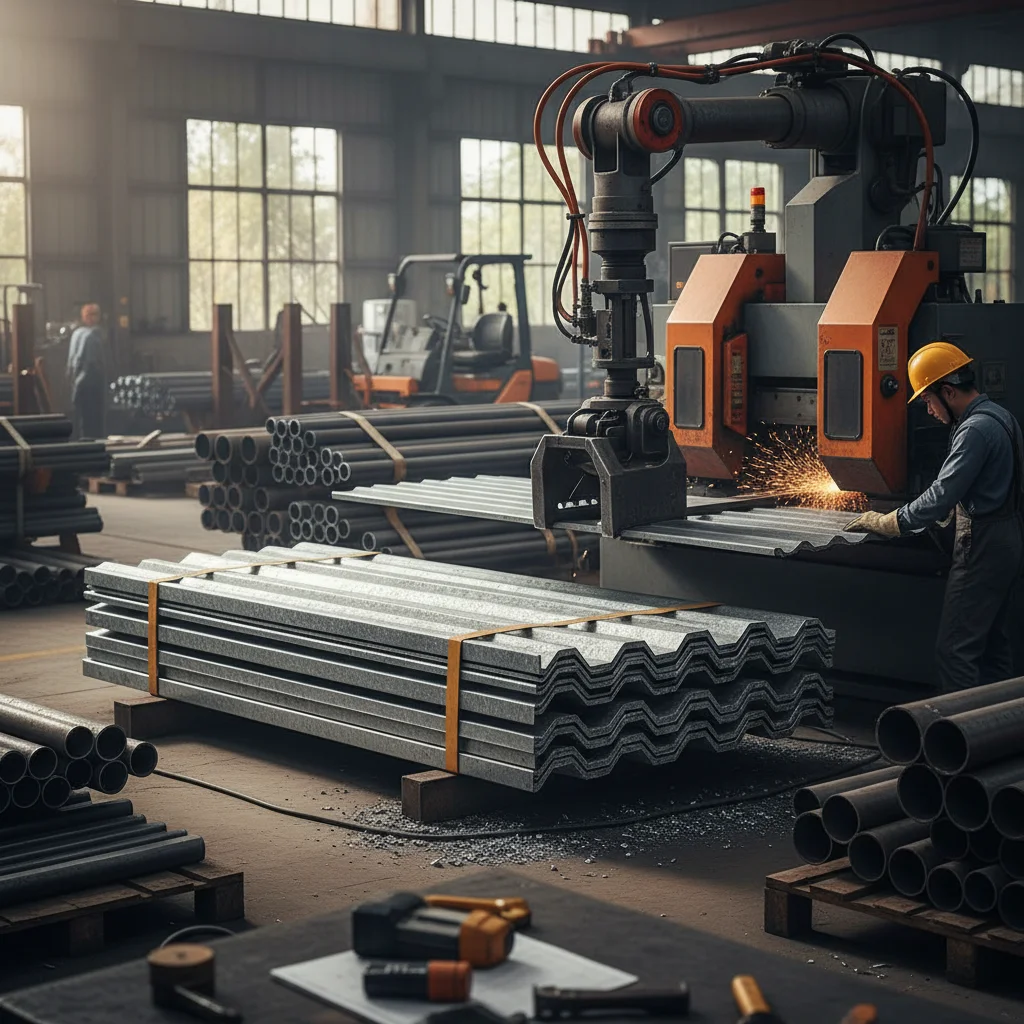
The applications of a sheet of galvanized steel are incredibly diverse. It’s a staple in construction, used for roofing, wall cladding, gutters, and downspouts. In the automotive industry, it’s utilized for car body panels and structural components. Agricultural applications include fencing, livestock housing, and grain bins. Manufacturing uses it for appliances, ductwork, and various metal products. Because of its durability and resistance to wear, it is also used in household products. The versatility of a sheet of galvanized steel makes it an essential material across numerous sectors.
Common Application Areas:
• Construction (roofing, cladding)
• Automotive (body panels)
• Agriculture (fencing, bins)
• Manufacturing (appliances, ductwork)
When considering materials for a project, it’s important to compare galvanized steel to alternatives. Compared to stainless steel, galvanized steel is more cost-effective, though stainless offers superior corrosion resistance in certain environments. Compared to aluminum, galvanized steel is generally stronger and more durable, but heavier. Compared to plain carbon steel, galvanized steel provides significantly enhanced corrosion protection. The choice depends on the specific requirements of the application and budget constraints. Often, a galvanized steel sheet offers the best balance of performance and value.
The cost of a sheet of galvanized steel can vary depending on several factors. These include the thickness of the steel (gauge), the type of galvanization process used, the quantity purchased, and current market prices for zinc and steel. Larger orders typically qualify for volume discounts. The specific grade of steel also impacts the price. Checking with reputable suppliers like BaidySteel can provide accurate pricing information for your specific needs.
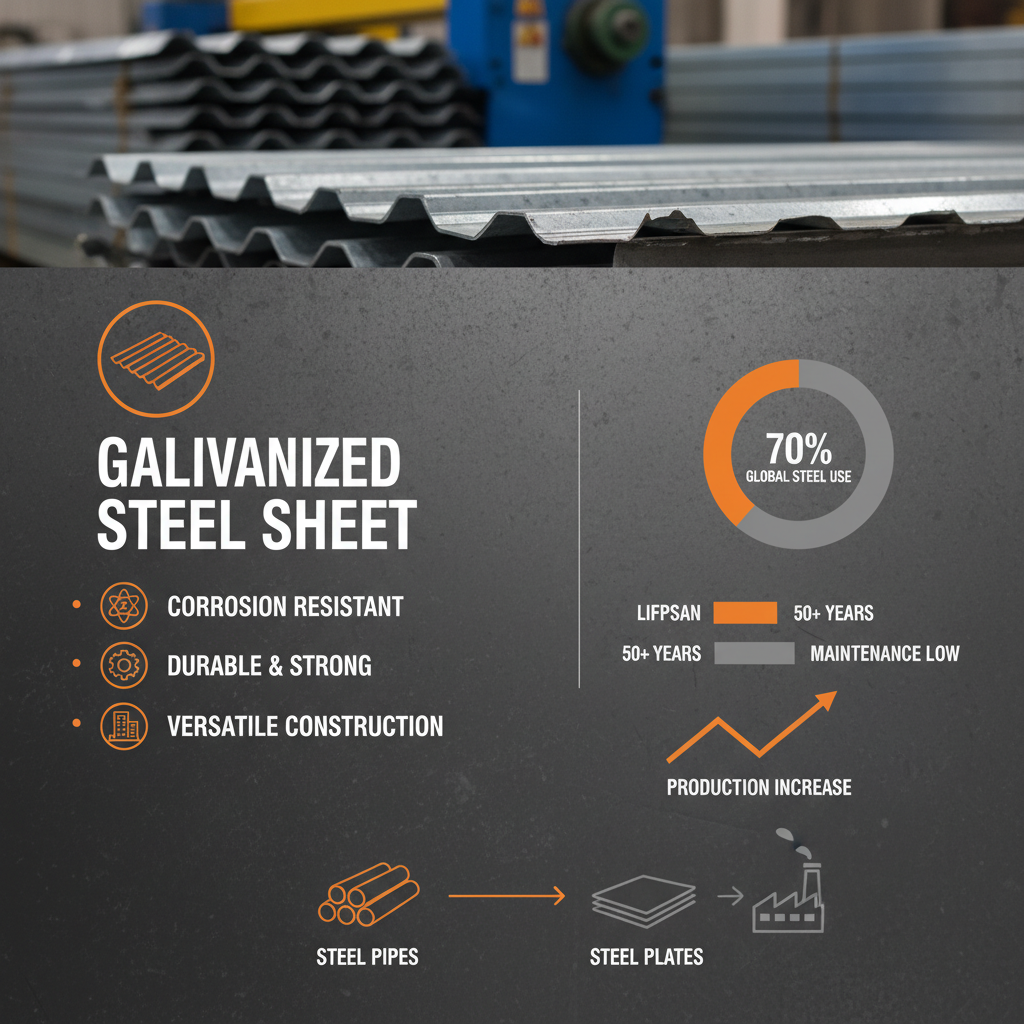
To maximize the lifespan of galvanized steel, proper handling and maintenance are essential. Avoid scratching the zinc coating during installation. If the coating is damaged, apply a zinc-rich paint to the exposed area. Regular cleaning to remove dirt and debris can also help maintain its appearance and protect the coating. Storing the steel in a dry environment is also recommended. Selecting high-quality galvanized steel sheets from a trusted supplier is the first step towards ensuring long-term durability.
A sheet of galvanized steel offers a compelling combination of strength, durability, and corrosion resistance. Its versatility makes it a crucial material in numerous industries. By understanding its properties, applications, and proper maintenance, you can maximize its benefits and ensure long-lasting performance. Investing in quality galvanized steel is an investment in the longevity and integrity of your projects.
The lifespan of galvanized steel varies depending on the environment it's exposed to. In rural areas with low pollution, it can last for over 50 years. In industrial environments with high levels of sulfur dioxide and salt, the lifespan may be reduced to 20-30 years. Proper maintenance and coatings can significantly extend its life. Regular inspections for corrosion are also crucial for predicting its remaining lifespan.
Yes, galvanized steel can be painted, but proper surface preparation is essential. The surface must be thoroughly cleaned and etched to ensure good adhesion. A zinc-rich primer is recommended to promote bonding and provide additional corrosion protection. Avoid using oil-based paints, as they may not adhere well to the galvanized surface. Acrylic or epoxy paints are generally preferred.
Yes, galvanized steel is highly recyclable. In fact, it's one of the most recycled materials globally. The zinc coating is also recovered during the recycling process, adding to its sustainability. Recycling galvanized steel conserves natural resources, reduces landfill waste, and lowers energy consumption.
BaidySteel is a reputable supplier offering a wide range of galvanized steel sheets. They provide high-quality products, competitive pricing, and excellent customer service. They can also provide customized solutions to meet your specific needs.