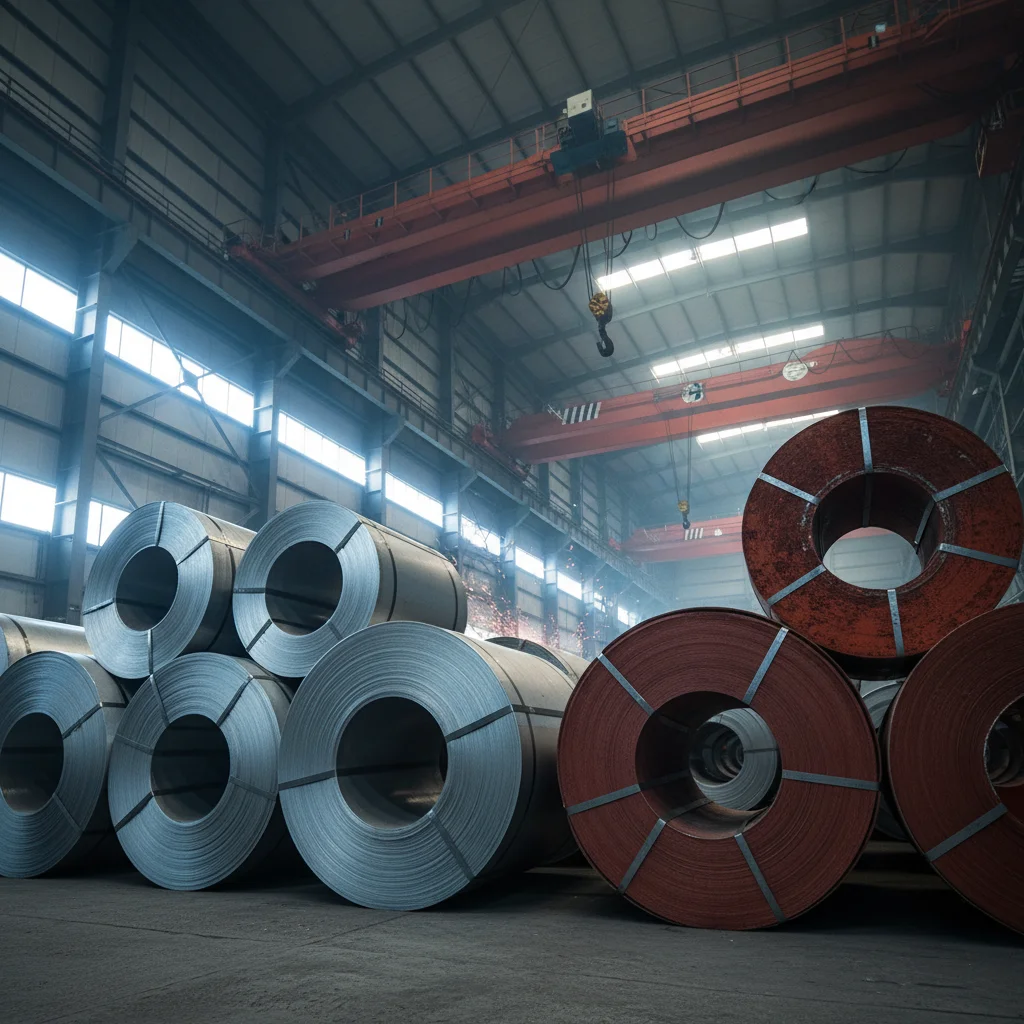
In the demanding landscape of modern industrial manufacturing, the quest for materials that balance strength with longevity has led to the widespread adoption of gi steel plate. As a cornerstone of the metal fabrication industry, galvanized iron (GI) steel provides a critical defense mechanism against the relentless forces of oxidation and environmental decay. Understanding the nuances of this material is not merely a technical requirement but a strategic advantage for engineers and architects worldwide.
The global demand for high-performance steel has surged as urban infrastructure expands into more corrosive environments, from salty coastal regions to humid tropical zones. By integrating a protective zinc coating through the hot-dip process, gi steel plate ensures that the structural integrity of a project is maintained over decades, reducing the need for frequent replacements and lowering the total cost of ownership.
Whether it is used in high-end automotive structures, massive bridge frameworks, or precision-engineered vessel components, the versatility of this material is unmatched. This guide explores the technical depths, practical applications, and future trajectories of galvanized steel, providing a comprehensive blueprint for professionals seeking to optimize their material selection for durability and efficiency.
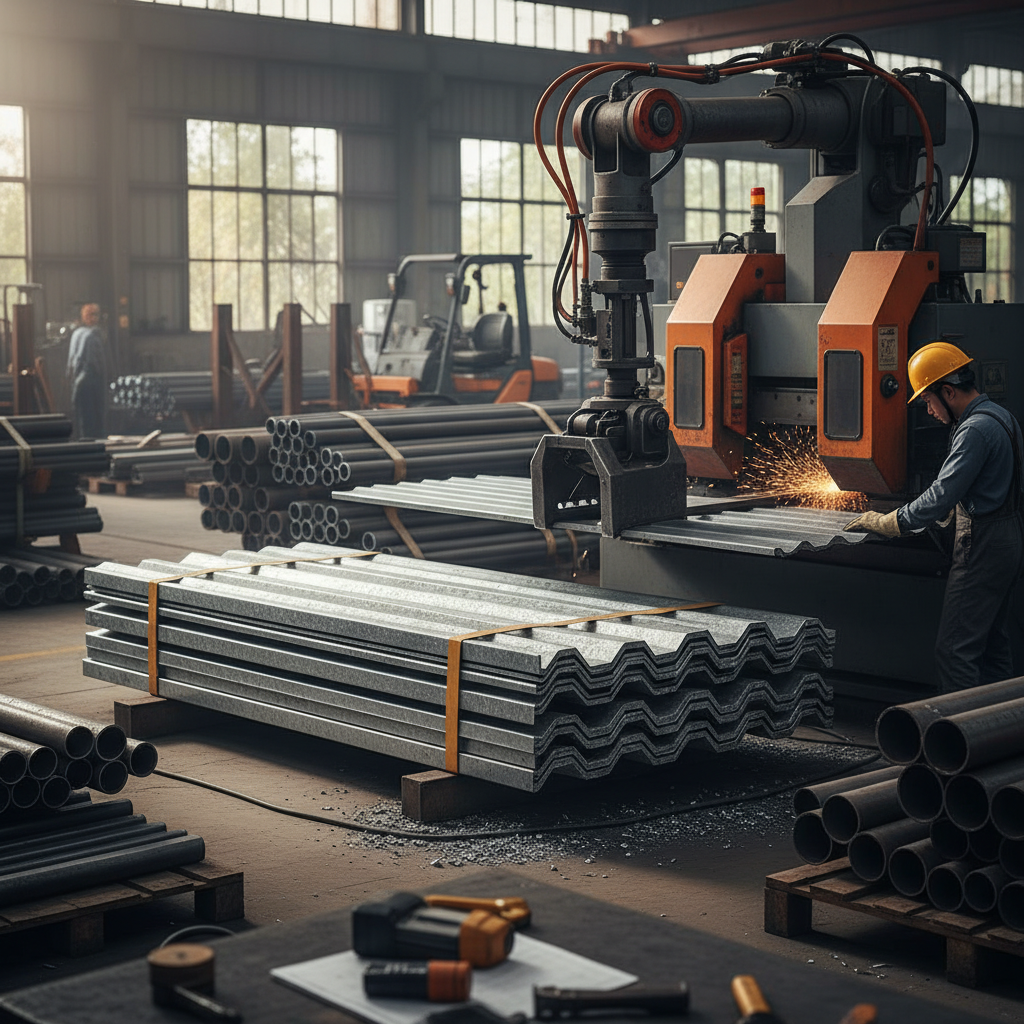
Global Industry Context of GI Steel Plate
On a global scale, the steel industry serves as the skeletal system of modern civilization. The adoption of gi steel plate has become indispensable as ISO standards increasingly emphasize the sustainability and lifecycle of construction materials. Data suggests that corrosion-related losses cost developed nations billions of dollars annually, making the preventive nature of galvanization a financial imperative for governments and private enterprises alike.
The challenge facing the current market is the tension between rapid urbanization and environmental volatility. As cities expand into coastal zones, the vulnerability of carbon steel to chloride-induced corrosion has skyrocketed. This has shifted the industry focus toward high-grade galvanized solutions that can withstand extreme salinity and humidity without compromising the underlying structural strength.
Defining the Technical Essence of GI Steel Plate
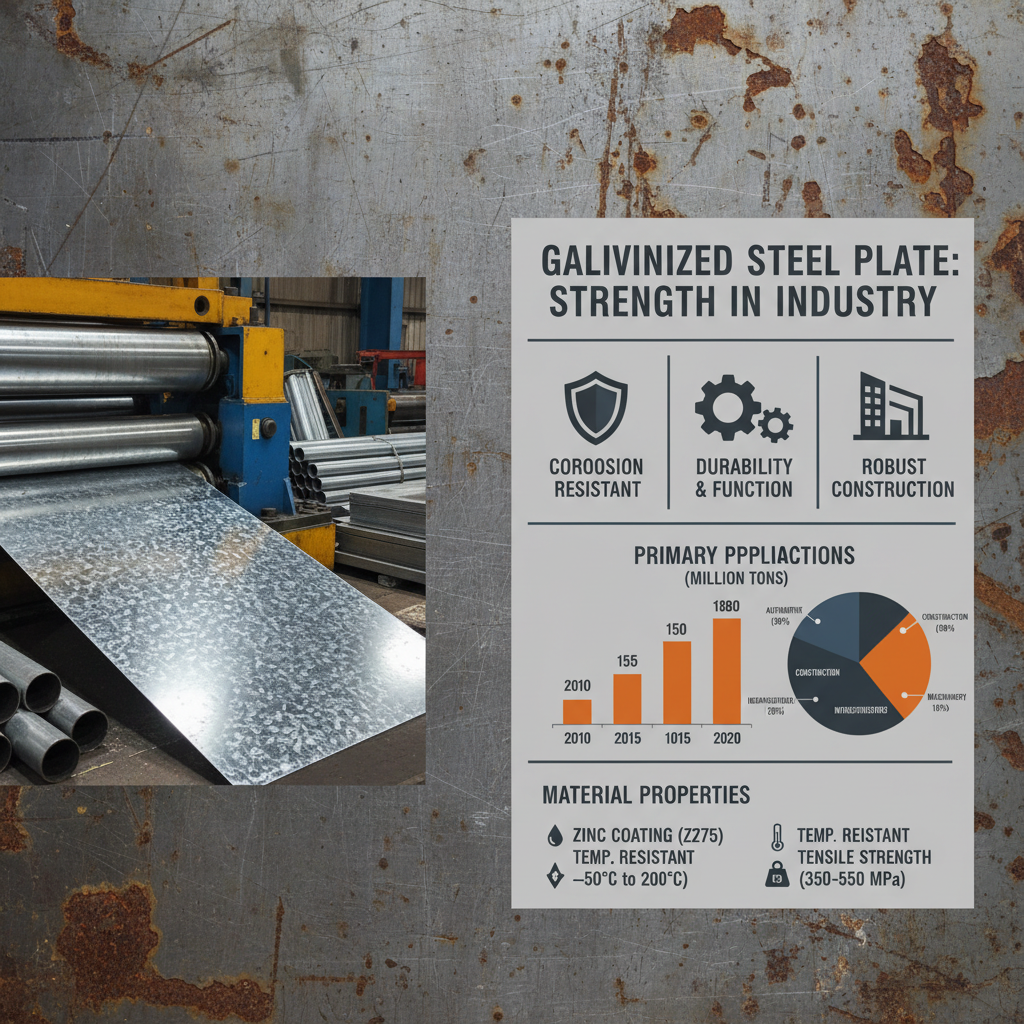
At its most fundamental level, a gi steel plate is a carbon steel sheet that has been coated with a layer of zinc. This process, typically achieved through hot-dip galvanizing, creates a metallurgical bond between the zinc and the steel. Unlike simple paint or powder coating, the zinc layer becomes an integral part of the substrate, ensuring that the protection does not easily peel or flake under mechanical stress.
The primary mechanism of protection is two-fold: barrier protection and cathodic protection. The zinc layer acts as a physical shield, preventing oxygen and moisture from reaching the steel. More importantly, zinc serves as a sacrificial anode; if the surface is scratched, the zinc will corrode preferentially to the steel, effectively "healing" the wound and preventing the spread of rust beneath the surface.
In the context of modern humanitarian and industrial needs, this material is vital for the rapid deployment of durable infrastructure. From prefabricated housing in disaster-stricken areas to the construction of massive warehouses in emerging economies, the reliability of galvanized steel ensures that structures remain safe and functional under the most grueling environmental conditions.
Core Components of Galvanized Performance
The durability of a gi steel plate is largely determined by the coating thickness and the purity of the zinc used. High-grade galvanization ensures a uniform layer that eliminates porosity, which is critical for applications in shipbuilding and pipeline construction where the material is exposed to constant moisture.
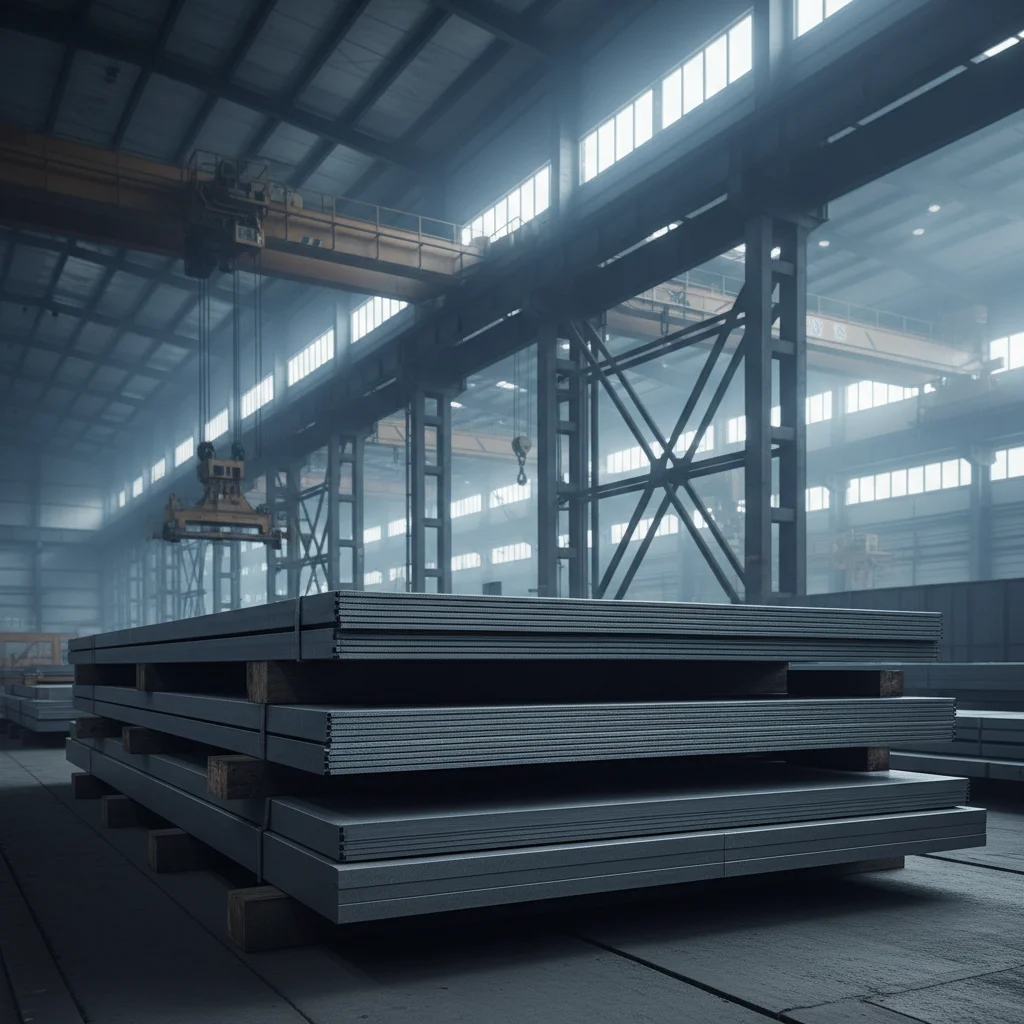
Scalability and cost-efficiency are the hallmarks of the gi steel plate production line. Because the galvanizing process can be applied to various gauges and widths of steel, it allows manufacturers to produce everything from thin automotive panels to heavy-duty structural plates without requiring entirely different production facilities.
Furthermore, the chemical stability of the zinc-iron alloy layers provides an exceptional substrate for subsequent finishing. Whether the plate requires a specialized industrial paint for visibility or a powder coat for aesthetics, the galvanized base ensures that the final product possesses a depth of corrosion resistance that raw steel simply cannot offer.
Industrial Applications and Use Cases
The application of gi steel plate spans nearly every sector of the built environment. In the automotive industry, it is used for chassis components and body panels where weight reduction must be balanced with an absolute requirement for rust prevention. In the energy sector, galvanized plates are essential for the construction of solar panel racking systems and wind turbine towers, where maintenance access is often difficult and costly.
Beyond heavy industry, we see significant utility in remote industrial zones and post-disaster relief operations. The ability to transport pre-galvanized sheets allows for the rapid assembly of shelters and medical clinics that can withstand torrential rains and harsh winds without requiring immediate on-site painting or chemical treatment, providing dignity and safety to displaced populations.
Performance Comparison of GI Steel Plate Variants
Long-term Value and Economic Advantages
Investing in gi steel plate is an exercise in logical long-term financial planning. While the initial procurement cost may be slightly higher than that of uncoated black steel, the elimination of frequent repainting and the prevention of premature structural failure result in a significantly lower lifecycle cost. This reliability fosters trust between contractors and clients, as the longevity of the build is backed by the science of metallurgy.
From a sustainability perspective, galvanized steel is highly eco-friendly. It is 100% recyclable without losing its properties, aligning with the global push toward a circular economy. By extending the lifespan of a structure, gi steel plate reduces the carbon footprint associated with the production and transport of replacement materials, making it a preferred choice for green building certifications.
Future Trends in Steel Coating Technology
The evolution of gi steel plate is now entering the era of "smart coatings." Researchers are developing nano-composite zinc layers that can self-heal more efficiently or change color to indicate when the protective layer has worn down to a critical level. These innovations will allow for predictive maintenance, where infrastructure owners can schedule repairs before structural damage actually occurs.
Digital transformation is also optimizing the production process. AI-driven sensors in the galvanizing baths now monitor the chemical composition of the zinc in real-time, ensuring a perfectly uniform thickness across every single gi steel plate produced. This reduction in variance leads to higher quality control and less material waste.
Furthermore, the integration of green energy in the smelting and coating process is becoming a priority. The shift toward hydrogen-based reduction in steelmaking will soon mean that the galvanized plates of tomorrow will not only protect the environment through longevity but will be produced with a near-zero carbon footprint.
Challenges and Innovative Solutions
Despite its advantages, gi steel plate faces challenges in extremely acidic or highly alkaline environments, where the zinc layer can be stripped away more rapidly. To overcome this, industry experts are utilizing "duplex systems"—the combination of hot-dip galvanizing followed by a high-performance powder coating. This synergistic approach provides a protective barrier that is exponentially more durable than either method used alone.
Another common concern is "white rust," a superficial oxidation that occurs when plates are stored in damp, poorly ventilated conditions. The solution lies in improved logistics and the application of specialized anti-white-rust oils during the packaging phase, ensuring the material arrives at the construction site in pristine condition.
Innovation is also addressing the issue of welding galvanized steel, as the vaporized zinc can cause porosity in the weld. Advanced welding techniques, such as laser-welding or the precise removal of the zinc layer at the joint, have transformed this limitation into a manageable process, allowing for the creation of complex, fully galvanized assemblies.
Analysis of GI Steel Plate Performance Across Different Environments
| Environment Type |
Corrosion Risk |
GI Plate Lifespan |
Maintenance Need |
| Rural/Inland |
Low |
50+ Years |
Minimal |
| Urban/Industrial |
Medium |
20-30 Years |
Occasional Cleaning |
| Coastal/Marine |
High |
15-20 Years |
Periodic Inspection |
| Tropical/Humid |
Medium-High |
25-35 Years |
Low to Medium |
| Chemical Plant |
Very High |
10-15 Years |
High (Duplex Req.) |
| Arid/Desert |
Very Low |
60+ Years |
Negligible |
FAQS
Unlike paint, which is a surface-level application, a GI steel plate features a metallurgical bond. The zinc coating provides cathodic protection, meaning it will sacrifice itself to protect the underlying steel even if the surface is scratched. Paint, once chipped, allows rust to spread rapidly underneath the coating, leading to structural failure.
Depending on the coating thickness, a high-quality GI steel plate can last between 15 to 20 years in coastal areas before significant corrosion begins. To extend this lifespan in extreme marine conditions, we recommend using a "duplex system" combining galvanization with a marine-grade epoxy powder coating.
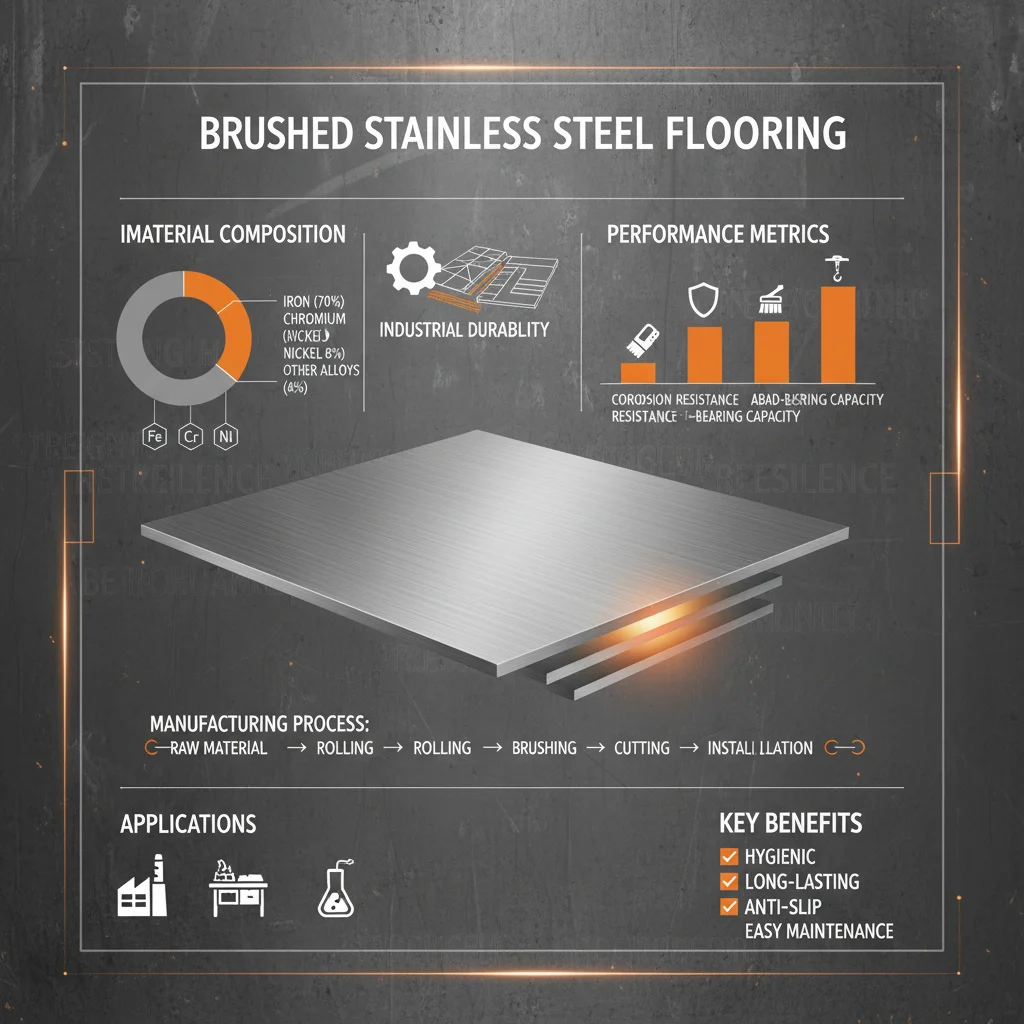
Yes, galvanized steel is widely used in these industries due to its hygiene and durability. However, for direct food contact surfaces, we often suggest stainless steel or specialized food-grade coatings to ensure compliance with strict health regulations, although GI is excellent for structural support in these environments.
Welding naturally burns off the zinc coating at the heat-affected zone. To maintain the integrity of the plate, it is professional practice to grind off the zinc at the weld point and then apply a cold-galvanizing zinc-rich primer to the joint after welding to restore corrosion resistance.
White rust is zinc hydroxide, which forms when galvanized steel is exposed to moisture without enough air circulation. To prevent it, ensure that plates are stored in a dry, well-ventilated area and avoid stacking them tightly when they are damp.
The choice depends on the environment. For inland residential use, a standard commercial coating suffices. For industrial or coastal projects, you should specify a higher GSM (grams per square meter) coating to ensure the sacrificial layer lasts long enough to meet your project's intended lifecycle.
Conclusion
In summary, the gi steel plate represents the perfect intersection of raw strength and chemical intelligence. By leveraging the sacrificial properties of zinc, it transforms standard carbon steel into a resilient asset capable of enduring the harshest industrial and natural environments. From its role in global infrastructure to its application in critical humanitarian aid, galvanized steel remains the gold standard for durability, sustainability, and cost-effectiveness.
As we move toward a future defined by greener construction and smarter materials, the importance of selecting the right grade of galvanized steel cannot be overstated. We encourage engineers and procurement specialists to look beyond the initial price point and consider the lifelong value and environmental impact of their material choices. For premium, high-performance galvanized solutions tailored to your specific industrial needs, visit our website: www.baidysteel.com.