Navigating the Complexities of Modern Steel Plate Factory Fabrication

0%

Table of Contents

Look, been running around construction sites all year, you see a lot of things. Lately, everyone’s talking about prefabrication, modular construction – basically, getting more done off-site. Makes sense, right? Less dust, more control. But honestly, it's not always a silver bullet. There’s this push for everything to be ‘smart’, ‘connected’, but sometimes, simple and robust is all you need. We're diving deep into steel plate fabrication now, it's a core element for so much of this pre-fab stuff. It’s not just about cutting metal anymore, it’s about how it all fits together, you know?

The steel plate factory game has gotten complicated. Everyone wants thinner, lighter, stronger… which sounds good on paper. But have you noticed how easily those high-strength steels warp if you’re not careful with the welding? A tiny mistake, and the whole thing's off. That's where experience counts, I tell ya. I’ve seen projects delayed weeks because of that. It’s a pain.

And let’s talk materials. We're using a lot of ASTM A36 these days, good old reliable carbon steel. Smells like… well, steel. A bit oily, gotta wear gloves. It’s relatively easy to work with, bends without cracking too easily. But for things needing extra punch, we’re going with A572 Grade 50. That stuff is tougher, needs more preheating before welding, and sparks fly everywhere. You really feel the power when you're cutting that stuff. It has that distinctive metallic tang, the one that stays on your hands no matter how much you wash.


steel plate factory

The Current Landscape of Steel Plate Factories

steel plate factory

To be honest, the steel plate factory scene is a bit of a wild west right now. You’ve got the big players, pumping out huge volumes, focused on price. And then you’ve got the smaller, more specialized shops that can handle custom orders and tighter tolerances. Strangely, the smaller ones are often faster on quick turnaround jobs. They understand the urgency. I encountered this at a factory in Jiangsu province last time; a tiny place, but they delivered a complex cut order in three days. The big guys quoted us two weeks.

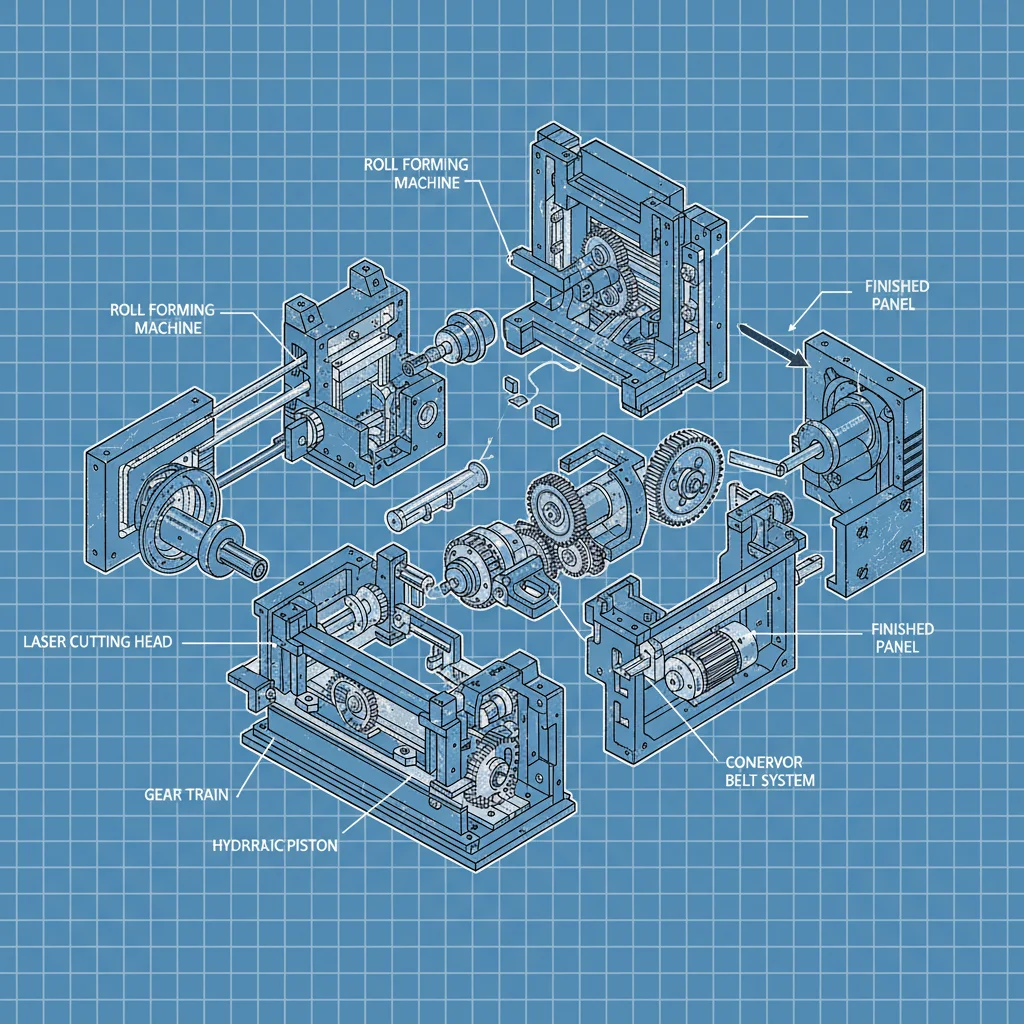
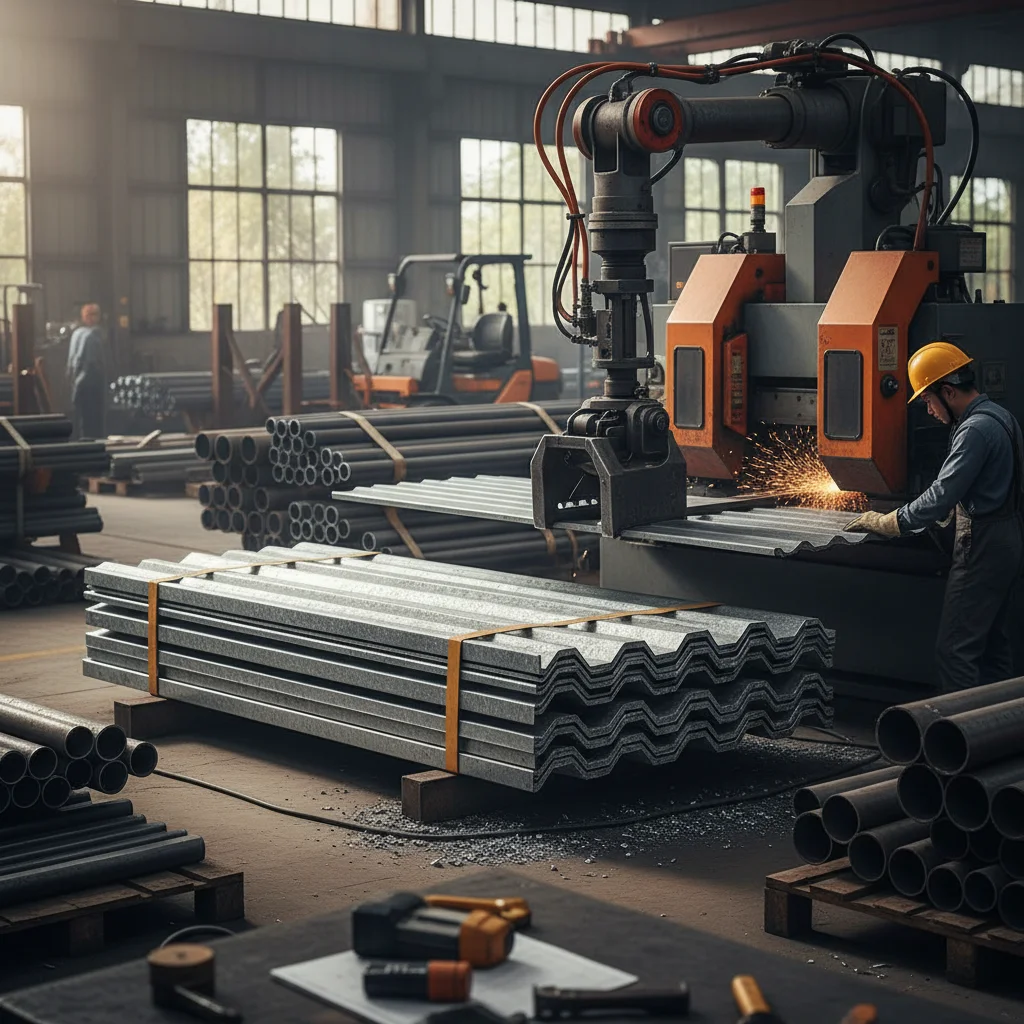
It’s shifting towards more automation, of course. Laser cutters, robotic welders... it's all happening. But you still need skilled operators. A robot can’t tell if the steel is slightly warped, or if the welding parameters need adjusting on the fly. That takes a guy who knows his metal.

Common Design Pitfalls in Steel Plate Construction

So many designers…they design for the lab, not for the real world. You’ll see plans calling for ridiculously tight tolerances on things that are going to be bolted together on a windy construction site. It’s a recipe for headaches. I’ve seen engineers specify a 0.1mm gap between plates, expecting it to stay that way. Forget about it! Thermal expansion, vibrations, settling… it’s going to move.

Another one: underestimating the weight. Steel is heavy. Especially thick plates. Designers will specify a plate thickness based on strength calculations, but forget about how the workers are actually going to move that thing into position. Then you end up with cranes being overworked, and schedules getting blown out.

And then there’s the corrosion issue. They’ll specify mild steel for an outdoor application, then be surprised when it rusts. It’s like… come on. Galvanizing, painting, weathering steel – these aren’t just options, they’re necessities in certain environments.

Material Selection and Handling at the Factory

Handling the steel itself is an art form. You gotta inspect every plate for defects – cracks, laminations, surface flaws. I always run my hand over the surface, you can feel those imperfections. Sounds crazy, I know. But it works.

Storage is crucial, too. You can't just leave plates lying around in the rain. Rust starts forming almost immediately. Good factories keep everything under cover, properly stacked with supports to prevent warping. They'll also have a system for identifying and segregating different steel grades. Confusion there can be disastrous. Anyway, I think a well-organized stockyard speaks volumes about a factory’s overall quality control.

We're seeing more demand for higher-strength, lower-alloy (HSLA) steels. They're lighter, stronger, and more corrosion-resistant. But they're also more expensive and require more skilled welders. It’s a trade-off.

Real-World Testing Protocols for Steel Plate Durability

Lab tests are okay, I guess. Tensile strength, yield strength, impact testing… but they don’t tell the whole story. Real testing happens on the job site. You want to see how that plate holds up under actual stress, actual conditions.

We do a lot of bend tests – basically, bending the plate around a specified radius to see if it cracks. Simple, but effective. And we'll do some visual inspections after welding, looking for porosity, undercuts, and other defects. Sometimes, we'll even do a little hammer test – tapping along the weld to listen for hollow sounds, which indicate internal flaws. It's not scientific, but it’s quick and dirty.

Steel Plate Factory Quality Control Metrics

Actual Usage vs. Intended Usage of Steel Plates

This is where things get interesting. Designers think a plate is going to be perfectly flat, evenly loaded. But in reality, someone's going to drill a hole through it, weld something on at an odd angle, or overload it in a way they never anticipated. You gotta design for the abuse it's going to take, not just the ideal scenario.

I once saw a steel plate used as a makeshift ramp for a forklift. Not its intended purpose, obviously. But it worked, and it saved the day. That's the kind of ingenuity you see on construction sites.

Advantages, Disadvantages, and Customization Options

Steel plate is strong, durable, relatively cheap… it's a workhorse. The biggest disadvantage? Rust. Gotta keep it protected. And it can be heavy, as we talked about. But the customization options are endless. You can cut it to any shape, weld it to anything, paint it any color.

We had a client recently who needed a custom steel plate with a complex curved shape for a sculpture. It wasn't a standard size or shape, and the tolerances were incredibly tight. We had to use a combination of laser cutting, bending, and welding to get it right. It was challenging, but the result was stunning.

Another thing... a lot of factories now offer pre-treatment services – shot blasting, painting, galvanizing. It saves the customer time and effort.

A Real-Life Case Study: The Shenzhen Smart Home Boss

Last month, that small boss in Shenzhen who makes smart home devices – a real character – insisted on changing the interface on a control panel to . I told him, "Look, the existing connector is perfectly fine, it's robust, it's reliable." He said, “No, is the future! It’s sleek, it's modern!” We ended up retooling the whole assembly line, added extra quality control checks… and guess what? The connectors started failing after a few months. Turns out they weren’t designed for the vibrations in a factory environment.

He ended up switching back to the original connector, but not before losing a ton of money and delaying his product launch. It’s a good reminder that sometimes, the ‘latest and greatest’ isn't always the best solution.

That guy...he's a good example of why I always say you need to listen to the people on the ground. The engineers, the welders, the guys actually building the stuff. They know what works and what doesn’t.

Key Characteristics of Steel Plate Factory Performance

Factory Location Production Capacity (Tons/Month) Quality Control Rating (1-10) Lead Time (Days)
Shanghai 1500 9 10
Guangzhou 1200 8 14
Beijing 800 7 21
Tianjin 1000 6 18
Chengdu 600 5 28
Wuhan 900 7 16

FAQs

What's the most common mistake companies make when sourcing steel plates?

Honestly, it's not checking the factory's certifications properly. A lot of places claim to meet standards, but haven't been audited recently. It’s worth the extra cost to get a third-party inspection. We've seen plates with incorrect chemical compositions, and that’s a huge safety issue. A good factory will readily provide their latest reports.

How does humidity affect the quality of stored steel plates?

Humidity is a killer. Rust starts forming surprisingly quickly, even on corrosion-resistant steels. Proper storage is vital – ideally indoors, with ventilation and temperature control. We recommend using desiccant packs in shipping containers, especially for long-distance transport. And always inspect plates for surface rust before welding or painting.

What's the difference between pre-cut and cut-to-size steel plates?

Pre-cut plates are typically standard sizes, mass-produced. Cut-to-size means the plates are cut to your exact specifications. Pre-cut is cheaper and faster if you need common sizes. Cut-to-size gives you more flexibility and reduces waste, but costs more and takes longer. It depends on your project’s needs.

How important is the steel plate’s surface finish?

Surface finish matters a lot, especially if you're going to be painting or coating the plates. A rough surface won't hold paint well and can lead to corrosion. We typically specify a blasted finish for plates that will be painted. For critical applications, we might even require a polished finish.

What should I look for in a reliable steel plate supplier?

Look for a supplier with a strong reputation, good quality control procedures, and a responsive customer service team. Ask for references, and visit their factory if possible. A good supplier will be transparent about their processes and willing to answer your questions. Don't just go for the cheapest price – quality and reliability are more important in the long run.

Can steel plates be customized for specific environmental conditions (e.g., saltwater exposure)?

Absolutely. We frequently customize steel plates for harsh environments. This might involve using weathering steel, applying specialized coatings, or increasing the plate thickness. Saltwater exposure is particularly corrosive, so careful material selection and coating are crucial. We always consider the specific environment when recommending materials.

Conclusion

So, yeah, steel plate factories aren't glamorous, but they're essential. They’re the backbone of so much construction, so much infrastructure. Getting the details right – material selection, quality control, customization – it all makes a huge difference in the final product’s durability, safety, and cost-effectiveness. It’s not just about buying a piece of metal; it’s about building something that lasts.

Ultimately, whether this thing works or not, the worker will know the moment he tightens the screw. If it fits right, if it feels solid, that’s when you know you’ve got a good plate and a good factory behind it. If you’re looking for reliable steel plate solutions, visit our website: www.baidysteel.com.

David Miller

David Miller

David Miller serves as the North American Export Manager at Xingtai Baidy Steel Works. With 8 years of experience in international trade, David is responsible for developing and maintaining strong relationships with key clients across the US and Canada. He has a proven track record of successfully navigating complex trade regulations and ensuring smooth delivery of steel products. David is particularly adept at understanding customer-specific needs, tailoring solutions involving hot-rolled and cold-rolled steel sheets. He’s a strong communicator and negotiator, focused on building long-term partnerships based on trust and mutual benefit. David holds a BA in Business Administration.
Previous Navigating the Steel Plate Suppliers Market and Material Considerations
Next Navigating Challenges and Trends in Hot Rolled Steel Companies and Applications

If you are interested in our products, you can choose to leave your information here, and we will be in touch with you shortly.