Hit enter to search or ESC to close
7 March 2026
Roofing is a critical element of any structure, protecting its inhabitants and contents from the elements. Among the various roofing materials available, roof galvanized sheet metal stands out as a durable, cost-effective, and versatile solution. This article will delve into the benefits, applications, types, installation considerations, and maintenance requirements of galvanized sheet metal roofing. Whether you're a homeowner, contractor, or architect, this guide will provide valuable insights into making informed decisions about your roofing needs.
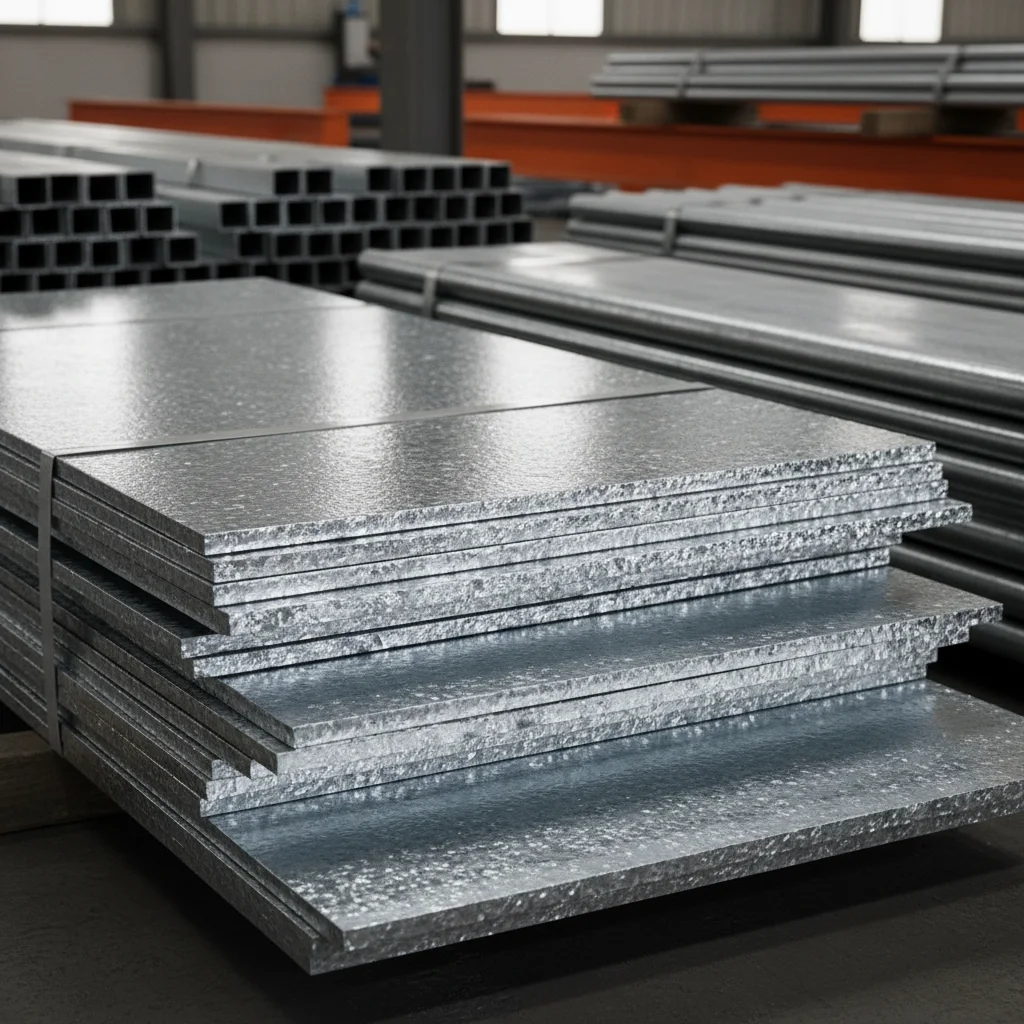
Galvanized sheet metal is steel that has been coated with a layer of zinc. This process, known as galvanization, provides excellent corrosion resistance, preventing rust and extending the lifespan of the metal. The zinc coating acts as a sacrificial anode, meaning it corrodes before the underlying steel. This makes roof galvanized sheet metal particularly well-suited for harsh weather conditions and industrial environments. The durability and longevity of this material offer long-term cost savings compared to other roofing options.
Key Benefit: Exceptional corrosion resistance thanks to the zinc coating, extending roof lifespan and reducing maintenance costs.
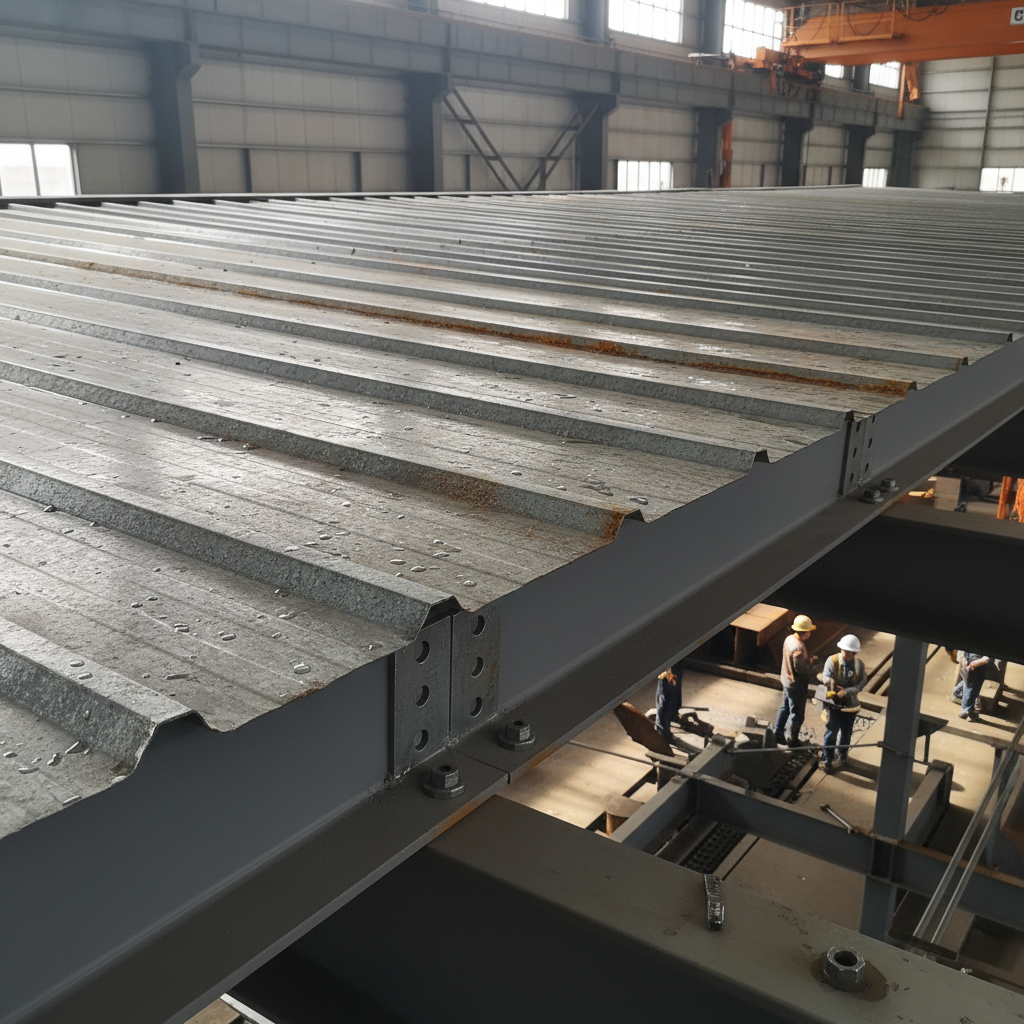
Several different profiles of galvanized sheet metal are used for roofing, each offering unique aesthetic and functional characteristics. Common types include:
The choice of profile depends on factors like architectural style, roof pitch, and budget. Baidysteel offers a wide range of galvanized sheet metal roofing profiles to suit diverse needs.
Profile Considerations:
• Corrugated: Strength and affordability
• Ribbed: Enhanced strength and runoff
• Standing Seam: Aesthetics and concealed fasteners
• Trapezoidal: Balanced strength and cost
When considering roofing materials, it's important to compare galvanized sheet metal with alternatives. Here’s a comparison:
Proper installation is crucial for the long-term performance of a galvanized sheet metal roof. Key considerations include:
Baidysteel provides detailed installation guidelines and support for its galvanized sheet metal products.
Galvanized sheet metal roofs require minimal maintenance. Regular inspections to check for loose fasteners, damaged panels, and debris buildup are recommended. Periodic cleaning with mild soap and water can help remove dirt and maintain the roof’s appearance. Promptly address any signs of corrosion or damage to prevent further deterioration. Applying a protective coating every 10-15 years can extend the lifespan of the roof even further.
Roof galvanized sheet metal is a smart investment for building owners seeking a durable, cost-effective, and long-lasting roofing solution. Its corrosion resistance, versatility, and low maintenance requirements make it a superior choice for a wide range of applications. With proper installation and care, a galvanized sheet metal roof can provide decades of reliable protection.
A properly installed and maintained galvanized sheet metal roof can last between 40 and 70 years, or even longer. The lifespan depends on several factors, including the quality of the steel, the thickness of the zinc coating, the climate, and the level of maintenance performed. Regular inspections and prompt repairs can significantly extend the roof's service life.
While galvanized steel is highly resistant to rust, it's not completely immune. Over time, the zinc coating will gradually corrode, eventually exposing the steel underneath. However, this process is very slow, and the zinc coating acts as a sacrificial anode, protecting the steel. Applying a protective coating periodically can further extend the roof's lifespan and prevent rust.
Galvanized sheet metal roofing performs well in a wide range of climates. Its corrosion resistance makes it ideal for coastal areas with salty air. The smooth surface also sheds snow and rain effectively, making it suitable for regions with heavy precipitation. However, in extremely harsh environments, such as those with high levels of industrial pollution, the zinc coating may corrode more quickly, requiring more frequent maintenance.