Understanding Galvanized Sheet Roofing: Durable Solutions for Global Challenges
Galvanized sheet roofing is one of those simple yet profoundly impactful building materials that quietly shape how societies deal with some of the toughest environmental and economic conditions. From industrial complexes in Asia to disaster relief housing in Africa, its relevance is global and growing. But why does galvanized sheet roofing matter so much? And what benefits does it bring that make it a staple in modern construction? Simply put, it offers durability, cost-effectiveness, and sustainability—qualities that are prized in both developed and developing regions alike.
Frankly, when you consider the challenges of harsh weather, limited budgets, and urgent housing needs worldwide, galvanized sheet roofing stands out as a practical solution. Let’s unpack its core, applications, and the exciting future ahead.
Introduction: The Global Context of Galvanized Sheet Roofing
The demand for robust and affordable roofing materials is rising swiftly around the world. According to the United Nations, over 1 billion people lived in substandard housing as of recent years, a figure that’s closely tied to material availability and resilience (1). Galvanized sheet roofing fits right into these global development and industrialization efforts, especially in flood-prone, tropical, and economically strained zones.
Furthermore, the World Bank estimates that climate change increases the frequency of severe storms, making the need for durable roofing systems more urgent than ever (2). The challenge here is balancing cost, speed of deployment, and longevity—a hard trifecta. Galvanized roofing sheets effectively address these constraints, hence their widespread adoption in both emergency and commercial construction.
Mini takeaway: Galvanized sheet roofing is not just material; it responds directly to pressing global housing and infrastructure challenges exacerbated by climate and economics.
What Is Galvanized Sheet Roofing?
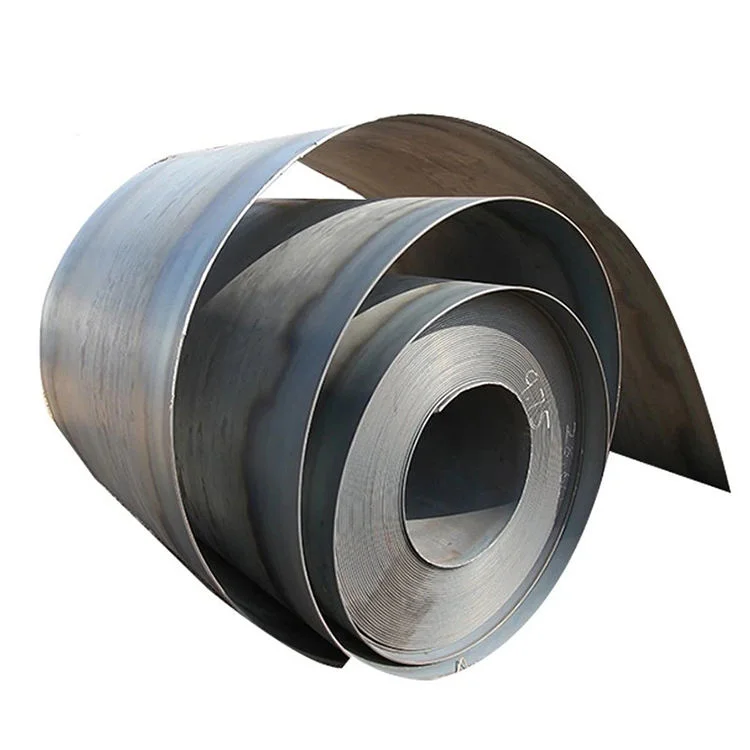
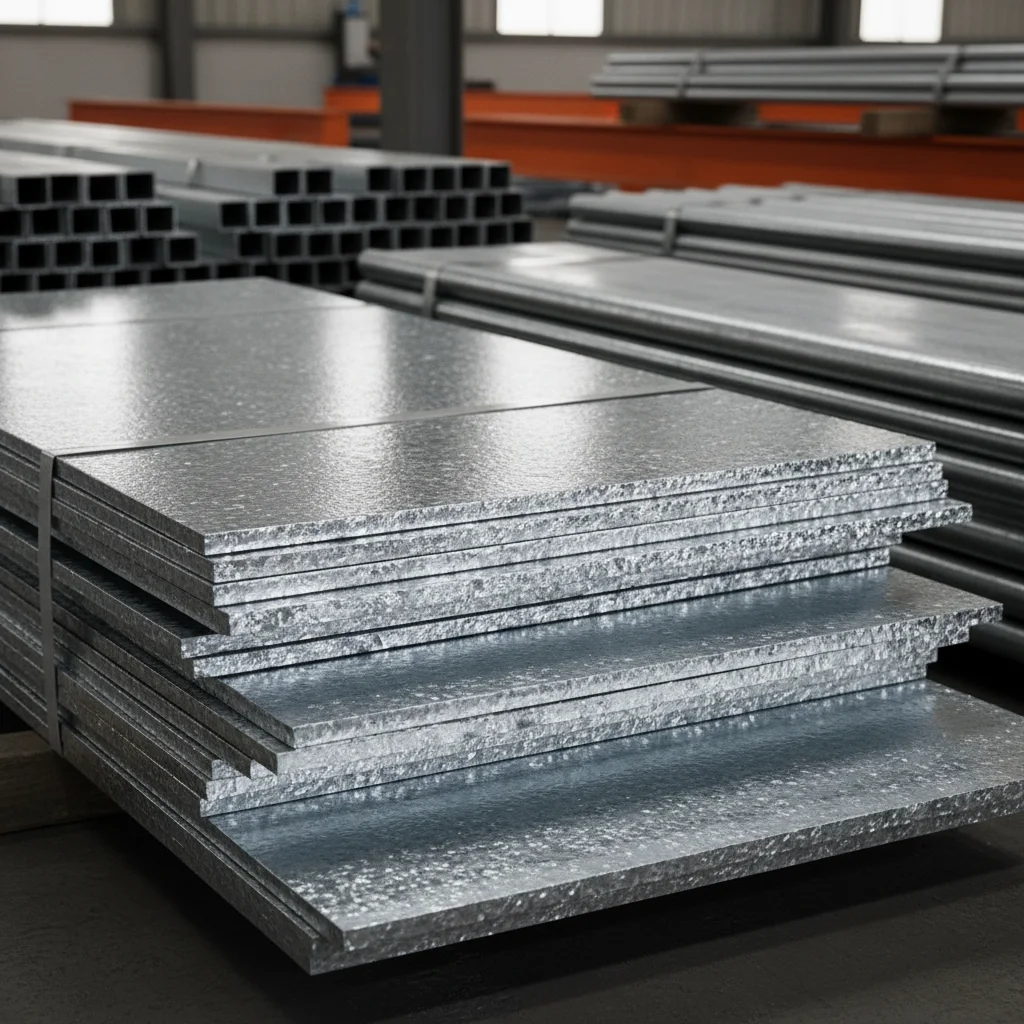
At its core, galvanized sheet roofing consists of steel sheets coated in zinc through a galvanization process. This zinc layer protects the steel from rust and corrosion, considerably extending the lifespan of roofs built with them. You can think of it as nature’s better armor for steel, shielding it against the elements.
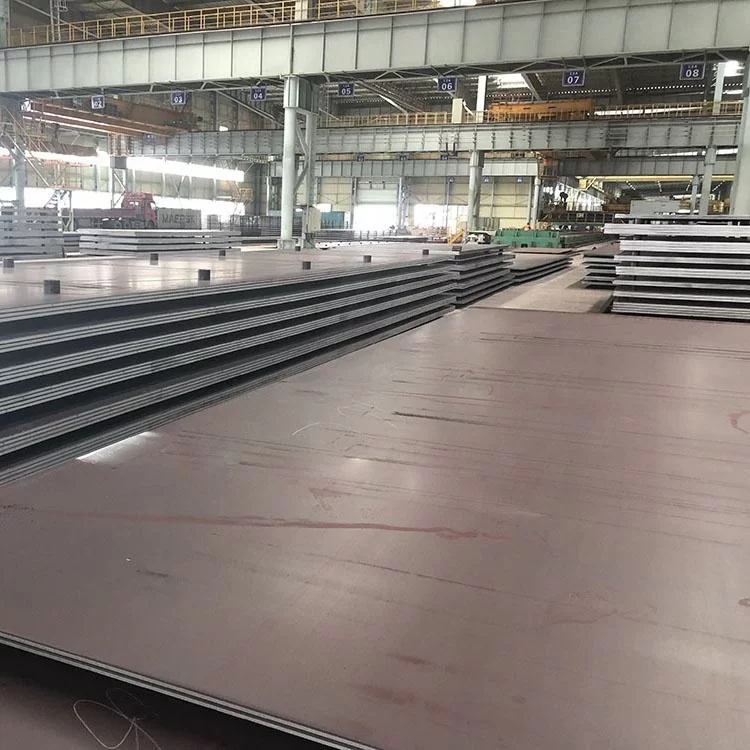
Industrially, it’s a workhorse—used in factories, warehouses, and agricultural buildings. Humanitarian-wise, it’s instrumental in emergency shelters and rapid housing kits, where durability and ease of transport are paramount. The galvanized layer ensures that these roofs withstand rain, wind, and even salty coastal air without succumbing to rust, unlike untreated metal alternatives.
Core Components and Key Factors
Durability
Thanks to galvanizing, these sheets resist corrosion, which means they last decades longer than untreated metal. This translates to fewer repairs over time—a clear win in remote areas where maintenance is tough.
Cost Efficiency
The upfront expense of galvanized sheets is moderate, but their long life cycle and low upkeep make them highly economical. For governments and NGOs, it’s about striking the balance between good quality and budget constraints.
Ease of Installation
They’re lightweight and easy to handle, meaning fast deployment on construction sites or emergency relief setups—without heavy machinery or specialist skills.
Environmental Resistance
These sheets hold up well against sun, rain, and wind, making them reliable in diverse climates—from tropical monsoons to arid deserts.
Recyclability
Galvanized steel is 100% recyclable, aligning with sustainability goals and reducing landfill waste.
| Specification |
Details |
| Material Thickness |
0.25 mm to 1.50 mm |
| Zinc Coating Weight |
100 to 275 g/m² |
| Standard Sizes |
Width: 600 - 1250 mm, Length: up to 6000 mm |
| Coating Type |
Hot-dip galvanizing |
| Surface Finish |
Spangle or smooth |
Mini takeaway: The practical mix of durability, affordability, and environmental resistance makes galvanized sheet roofing a go-to choice worldwide.
Global Applications & Use Cases
Galvanized sheet roofing finds itself everywhere from the sprawling warehouses of Southeast Asia’s industrial parks to the temporary clinics in Latin America’s disaster zones. Oddly enough, it bridges both high-tech industrial needs and grassroots humanitarian efforts.
- Post-Disaster Relief: NGOs frequently use galvanized roofs to rapidly build shelters that last beyond the emergency.
- Rural Housing: In South Asia and Africa, low-cost galvanized roofing boosts housing quality in rural communities.
- Industrial Facilities: Factories and cold storage warehouses depend on galvanized roofing to withstand tough environmental conditions.
- Infrastructure Projects: Government projects for schools, clinics, or transport hubs often specify galvanized steel for long-term durability.
For example, in cyclone-prone Bangladesh, galvanized roofs are a common upgrade over traditional thatch to safeguard lives and livelihoods. It’s a small but vital piece of resilience.
galvanized sheet roofing continues to be integral to construction in countless developing regions where cost and durability cannot be compromised.
Advantages & Long-Term Value
Why do builders and planners keep coming back to galvanized roofs? Because their benefits stack up in practical and emotional ways.
- Cost Savings: Reduced repairs and replacements translate into real budget relief for owners and communities.
- Sustainability: Recyclability and long life cycles lower environmental impact.
- Safety and Dignity: Secure and sturdy roofing protects families and workers, which is often undervalued but deeply appreciated on the ground.
- Reliability: It’s a trusted technology, backed by over a century of industrial use.
Looking Ahead: Future Trends & Innovations
Innovations in galvanized sheet roofing often focus on improving sustainability and performance. For instance:
- Advanced Coatings: New zinc-aluminum alloys and polymer-coated galvanized sheets improve corrosion resistance further.
- Smart Roofing: Integration of solar roofing and reflective surfaces enhances energy efficiency.
- Automation & Digital Fabrication: Faster custom-cutting and app-based deployment planning streamline construction.
- Policy Pushes: More countries adopting green building codes encourage sustainable galvanized steel production.
Challenges and Innovative Solutions
The biggest challenges include susceptibility to scratching during transport and installation, and limitations in extreme corrosive environments if coating is damaged. Experts suggest:
- Careful handling protocols and protective packaging.
- Secondary protective layers or paints for harsh marine settings.
- Ongoing R&D in coating technologies to build tougher finishes.
| Vendor |
Zinc Coating Range (g/m²) |
Typical Thickness (mm) |
Main Markets |
| Baidy Steel |
100-275 |
0.3 - 1.5 |
Southeast Asia, Africa |
| GlobalMetal Corp. |
120-250 |
0.25 - 1.4 |
Europe, Americas |
| AsiaGalv Textiles |
80-220 |
0.2 - 1.2 |
India, Middle East |
Frequently Asked Questions About Galvanized Sheet Roofing
Q1: How long can galvanized sheet roofing last under harsh weather?
Typically, properly galvanized steel roofing lasts anywhere from 30 to 50 years depending on the zinc coating weight and maintenance. Coastal or industrial zones might require more frequent inspection but the galvanized layer provides significant rust protection compared to plain steel.
Q2: Is galvanized sheet roofing cost-effective for low-income housing projects?
Yes, it's often the preferred choice due to the balance between upfront cost and long-lasting durability. While initially more expensive than thatched or tin roofs, the minimal maintenance and longer lifespan create better economic value long-term.
Q3: Can galvanized sheet roofing be recycled?
Absolutely. Steel is one of the most recycled materials worldwide. Galvanized sheets retain zinc coatings which can also be recovered during recycling, making the process environmentally friendly.
Q4: How quickly can galvanized sheet roofs be installed?
The roofing sheets are lightweight and easy to handle, which allows skilled teams to cover medium-sized buildings in a matter of days, or even hours for smaller shelters — a significant advantage in emergencies.
Q5: Are galvanized roofs suitable for all climates?
In general, yes. However, in extremely salty environments like coastal areas, additional protective coatings can extend roof life. For very hot climates, reflective paints are often added to reduce heat absorption.
Conclusion: Why Galvanized Sheet Roofing Matters Long-Term
To wrap things up, galvanized sheet roofing offers a smart combination of resilience, affordability, and sustainability that makes it indispensable on a global scale. Whether you’re deploying emergency shelters or building industrial warehouses, it meets today’s challenges and adapts for tomorrow’s innovations.
If you want to explore superior galvanized sheet roofing solutions, visit our website: baidysteel.com. You’ll find detailed product info and expert guidance tailored to your needs.
Before you go, remember: sometimes the simplest materials play the biggest roles in safeguarding the future.
References:
- UN Habitat – Sustainable Urban Development
- World Bank – Climate Change and Infrastructure
- Wikipedia – Galvanization