Understanding the 1.6 mm Steel Sheet: A Global Industry Staple
At first glance, the 1.6 mm steel sheet might seem like just another piece of metal. But frankly, it’s far more than that. This particular thickness of steel sheet holds a unique place in the industrial and manufacturing worlds—balancing strength, weight, and cost in a way that few materials can. Given the vast demand for durable yet lightweight metal solutions—from automotive bodies to construction panels—it’s no surprise that understanding the ins and outs of the 1.6 mm steel sheet matters on a global scale.
Why should anyone care? Well, steel sheets of this thickness contribute to the efficiency and affordability of countless products and infrastructure projects worldwide. They’re part of a larger narrative about sustainability, industrial innovation, and even humanitarian aid. So, getting familiar with what this sheet offers can unlock better decisions across sectors.
Introduction: The Global Importance of 1.6 mm Steel Sheet
According to reports from the International Organization for Standardization (ISO) and industry data, global steel production has climbed steadily over the last decade, reaching over 1.8 billion metric tons in 2022. Steel sheets, especially in thicknesses like 1.6 mm, play a key role here. They are thin enough to keep material costs and weight down, yet thick enough to meet demanding structural standards.
One challenge that many industries face is striking the balance between durability and resource efficiency. Thinner sheets might be cheaper but can fail structurally, whereas thicker ones increase weight and cost. The 1.6 mm steel sheet emerges as a sweet spot—a specification widely used in sectors such as automotive manufacturing, general fabrication, and even temporary housing in resource-challenged environments.
Mini takeaway: 1.6 mm steel sheets occupy a critical niche in global steel usage, addressing cost, weight, and strength challenges simultaneously.
What Exactly Is a 1.6 mm Steel Sheet?
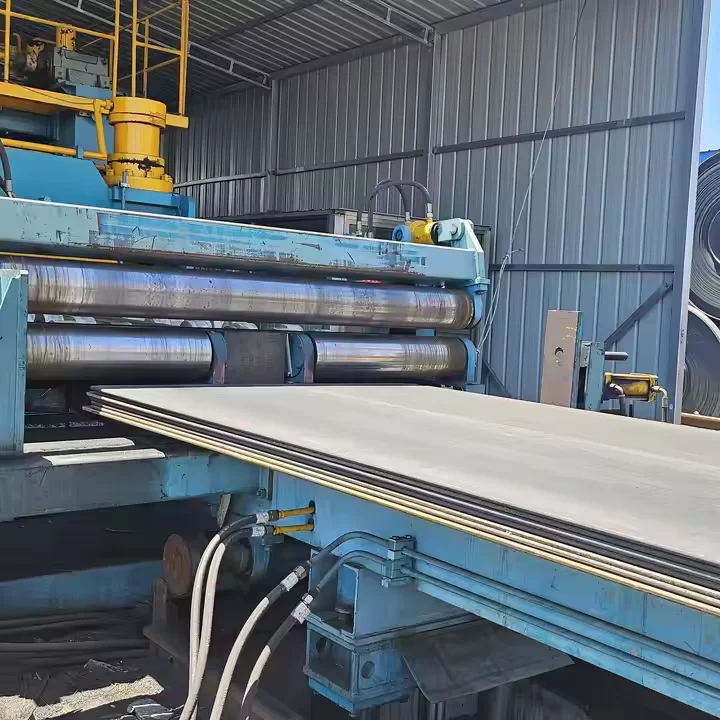
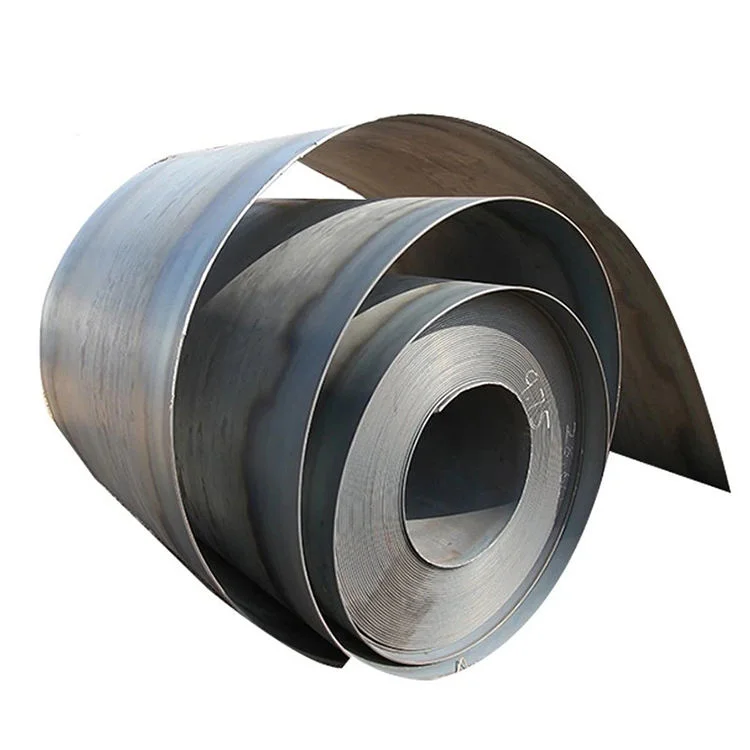
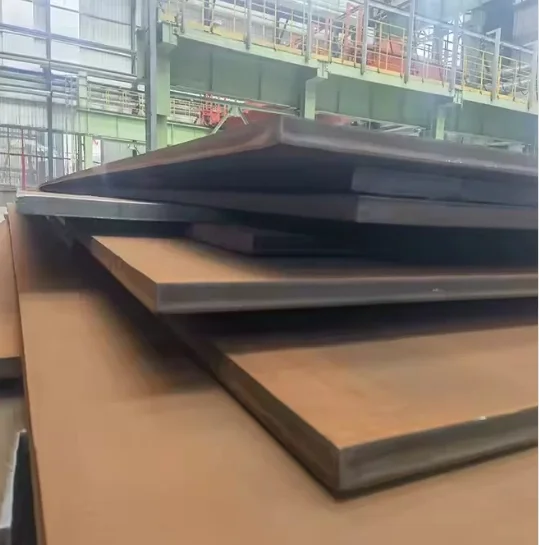
Simply put, a 1.6 mm steel sheet is a flat piece of steel with a thickness of 1.6 millimeters. This thickness falls within the “thin sheet” category and is often used for outer panels, roofing, and light structural components. The steel itself can be carbon steel, galvanized, or even stainless, depending on usage. Because steel sheets are standardized, manufacturers can ensure consistent quality and performance across different batches.
Its relevance ties deeply into modern industrial applications—think of car doors or metal roofing panels that require a blend of sufficient strength and light weight. Humanitarian efforts too, like rapid-deployment shelters, increasingly rely on sheets of this thickness for their portability and resilience.
Core Characteristics of 1.6 mm Steel Sheet
Durability
At 1.6 mm thickness, the steel sheet offers reasonable resistance against wear and impact. It's robust enough for moderate structural uses without being overkill in weight.
Cost Efficiency
Using thinner steel sheets like 1.6 mm cuts back raw material use significantly compared to thicker variants. This translates to monetary savings, both in purchase price and transportation costs.
Flexibility and Scalability
This steel thickness lends itself well to bending and forming, making it versatile for various fabrication processes—pressing, cutting, and welding.
Corrosion Resistance
When galvanized or coated, 1.6 mm steel sheets resist corrosion adequately, extending their lifespan in challenging environments.
Weight Management
Controlling weight is essential in sectors like automotive or aerospace. The 1.6 mm steel sheet keeps weights manageable without sacrificing too much on strength.
| Specification |
Details |
| Thickness |
1.6 millimeters |
| Material Type |
Carbon steel, galvanized steel, stainless steel |
| Standard Widths |
1000mm, 1200mm, 1500mm |
| Common Applications |
Automotive, construction, shelter manufacturing |
| Coating Options |
Zinc galvanization, paint finishes, powder coatings |
Mini takeaway: The 1.6 mm steel sheet offers a balanced package of durability, flexibility, and affordability — driving its widespread adoption.
Global Applications & Use Cases
Industries spanning continents have embraced the versatility of the 1.6 mm steel sheet. For example, in the automotive sector, it is frequently used for panels and reinforcement where weight reduction improves fuel efficiency. Meanwhile, the construction industry employs it for roofing sheets, façades, and cladding—capitalizing on its reasonable rigidity and corrosion resistance.
In developing regions, NGOs leverage these steel sheets to build fast-deployment housing after natural disasters. It’s odd but true that when you need to erect a shelter quickly, something as simple as a 1.6 mm steel sheet can make a difference between safe refuge and vulnerability. Remote industrial zones, too, benefit; prefabricated containers or enclosures built with these steel sheets are easier to transport and assemble.
Vendor Comparison: Leading Suppliers of 1.6 mm Steel Sheets
| Vendor |
Material Quality |
Price per Ton |
Lead Time |
Customization |
| BaidySteel |
High-grade carbon & galvanized |
$750 |
2 weeks |
Available |
| SteelCo |
Standard carbon steel |
$700 |
3-4 weeks |
Limited |
| GlobalMetal |
Galvanized and stainless options |
$780 |
1 week |
Extensive |
Advantages & Long-Term Value of 1.6 mm Steel Sheet
Choosing a 1.6 mm steel sheet isn't just about immediate cost savings. The durability means fewer replacements and less downtime, which companies deeply appreciate. In sectors like construction or transportation, this equates to enhanced safety and increased trust from end users.
On a sustainability front, thinner sheets use less raw material and emit less carbon during production—important when you consider global efforts to reduce industrial greenhouse gases.
Emotionally, products and structures built with reliable materials foster confidence and peace of mind. When disaster relief teams rely on these sheets to build shelters, they’re investing not only in physical protection but also in dignity and human resilience.
Future Trends & Innovations
Green steel production and digital fabrication techniques are poised to revolutionize the market for 1.6 mm steel sheets. For instance, electric arc furnaces powered by renewable energy reduce emissions. At the same time, automated cutting and laser welding increase precision and reduce waste.
Moreover, coatings are evolving to improve corrosion resistance further while minimizing environmental impact. Smart coatings, capable of self-healing minor scratches, are in R&D pipelines, which might soon become standard. These innovations hint at a future where the 1.6 mm steel sheet is lighter, tougher, and greener.
Addressing Challenges and Providing Solutions
While 1.6 mm steel sheets offer many benefits, limitations do exist. For one, they might not satisfy heavy structural needs, necessitating thicker or reinforced options. Corrosion can still be an issue if coatings fail, especially in marine or tropical environments.
Solutions include combining steel sheets with protective membranes or designing frameworks that reduce exposure. Also, integrating advanced material testing ensures only certified steel enters critical projects. Expert consultation often recommends pre-treatment and post-fabrication inspections to extend service life.
FAQ: Frequently Asked Questions About 1.6 mm Steel Sheet
- Q: Is 1.6 mm steel sheet suitable for automotive body panels?
A: Yes, it’s commonly used for outer panels due to its balance of strength and light weight, contributing to improved fuel efficiency without compromising safety.
- Q: How long does a galvanized 1.6 mm steel sheet last outdoors?
A: Typically, galvanized coatings can protect steel for 15-30 years under normal conditions, though lifespan varies with environment and maintenance.
- Q: Can 1.6 mm steel sheets be easily customized to different sizes?
A: Absolutely. These sheets are highly scalable and can be cut, bent, or welded to specific dimensions as required.
- Q: Are there eco-friendly alternatives to traditional carbon steel sheets?
A: Yes, options include recycled steel, green steel produced with low-carbon methods, and stainless steel with longer longevity and recyclability.
Conclusion
In real terms, the 1.6 mm steel sheet is more than just metal; it’s a foundational element empowering countless industries and communities worldwide. Its blend of durability, cost-effectiveness, and versatility continues to drive innovation and sustainability. Whether in a car, a roof, or a shelter after disaster, this steel thickness plays a quiet but essential role.
If you want to discover more about reliable steel solutions, feel free to visit our website at https://www.baidysteel.com.
Oddly enough, what might seem like a thin sheet of metal can actually carry a whole lot of weight—in products, economies, and lives.
References:
- ISO Standards for Steel
- Steel - Wikipedia
- World Steel Association