Understanding the 10mm Thick Steel Plate: Essential Insights and Global Impact
Steel plates are everywhere—from the skyscrapers reaching for clouds to the bridges bearing our daily commutes. Among these, the 10mm thick steel plate holds a particularly prominent place. But why such precision? Why not thicker or thinner? Frankly, that 10mm dimension strikes a balance that makes it a foundational building block in construction, infrastructure, and even humanitarian relief. Grasping what this steel plate means and how it’s used isn't just academic; it has real-world consequences stretching across continents.
Introduction: A Global Perspective on 10mm Thick Steel Plates
Globally, steel production hit over 1.8 billion metric tonnes recently (World Steel Association, 2023)—a testament to how vital steel is for modern civilization. Among the many products rolled out, the 10mm thick steel plate stands out due to its versatility. It plays a role in industries ranging from automotive manufacturing to shipbuilding and heavy machinery. However, as infrastructure projects expand worldwide, especially in developing nations, the demand for reliable, durable steel plates that are neither too heavy nor too thin has skyrocketed.
One problem that often comes up is balancing strength with weight and cost. Thicker steel plates offer incredible robustness but can invite transport and installation challenges. Meanwhile, thinner plates may compromise structural safety. The 10mm variant often emerges as a “sweet spot”—providing resilience without excessive bulk.
Defining the 10mm Thick Steel Plate
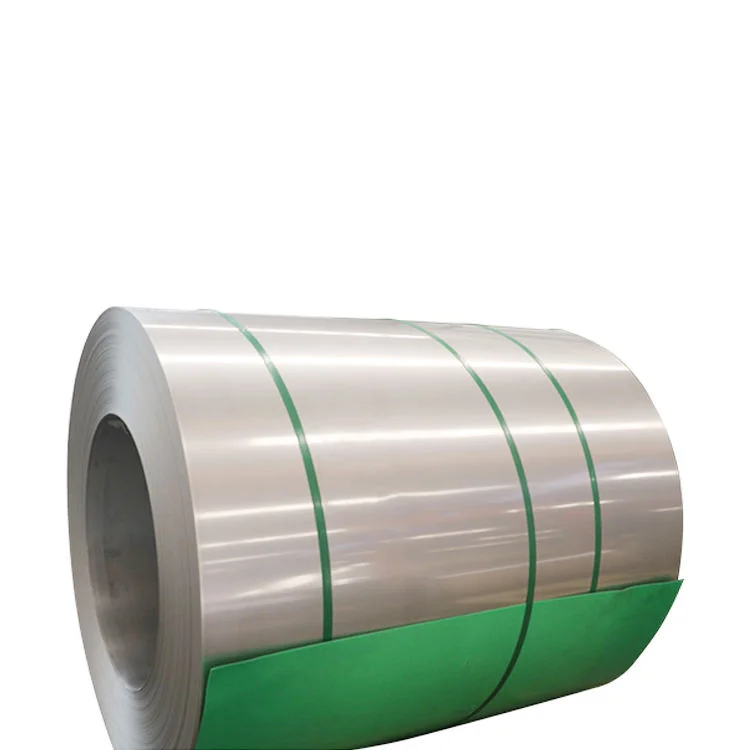
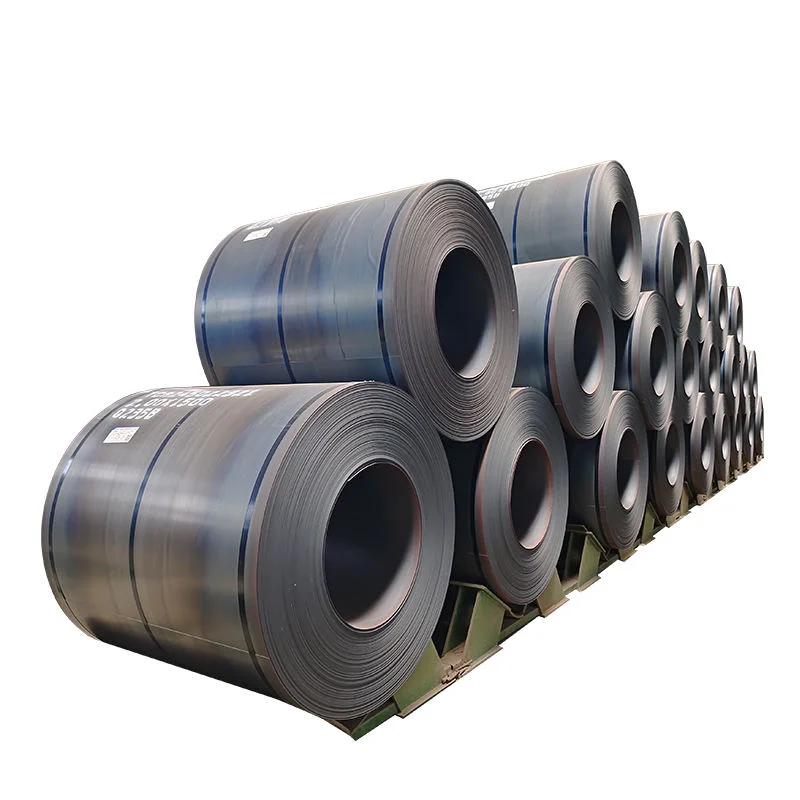
Simply put, a 10mm thick steel plate is a flat, solid piece of carbon or alloy steel whose thickness measures precisely 10 millimeters. It’s cut to width and length as needed and can undergo additional processes like galvanizing or heat treatment to enhance specific properties. While “10mm” sounds straightforward, the actual performance depends a lot on the steel grade, such as ASTM A36 or A572, each with its toughness, weldability, and corrosion resistance.
Today, these plates form the backbone of structures that protect human lives—think bridges, industrial buildings, and even emergency shelters. In humanitarian contexts, they serve rugged yet portable frameworks used in disaster zones to erect fast-deploy shelters that can resist weather and wear.
Key Factors Influencing 10mm Thick Steel Plate Use
Durability
In real terms, 10mm plates deliver an excellent strength-to-weight ratio, generally handling loads well in construction and machinery. Their moderate thickness guards against deformation and wear, making them reliable even under tough conditions.
Cost Efficiency
They hit a cost sweet spot—not so thick as to drive up materials cost drastically, yet sturdy enough to reduce long-term repairs or replacements. This aspect especially matters in budget-sensitive industries or large-scale infrastructure like highways.
Fabrication Versatility
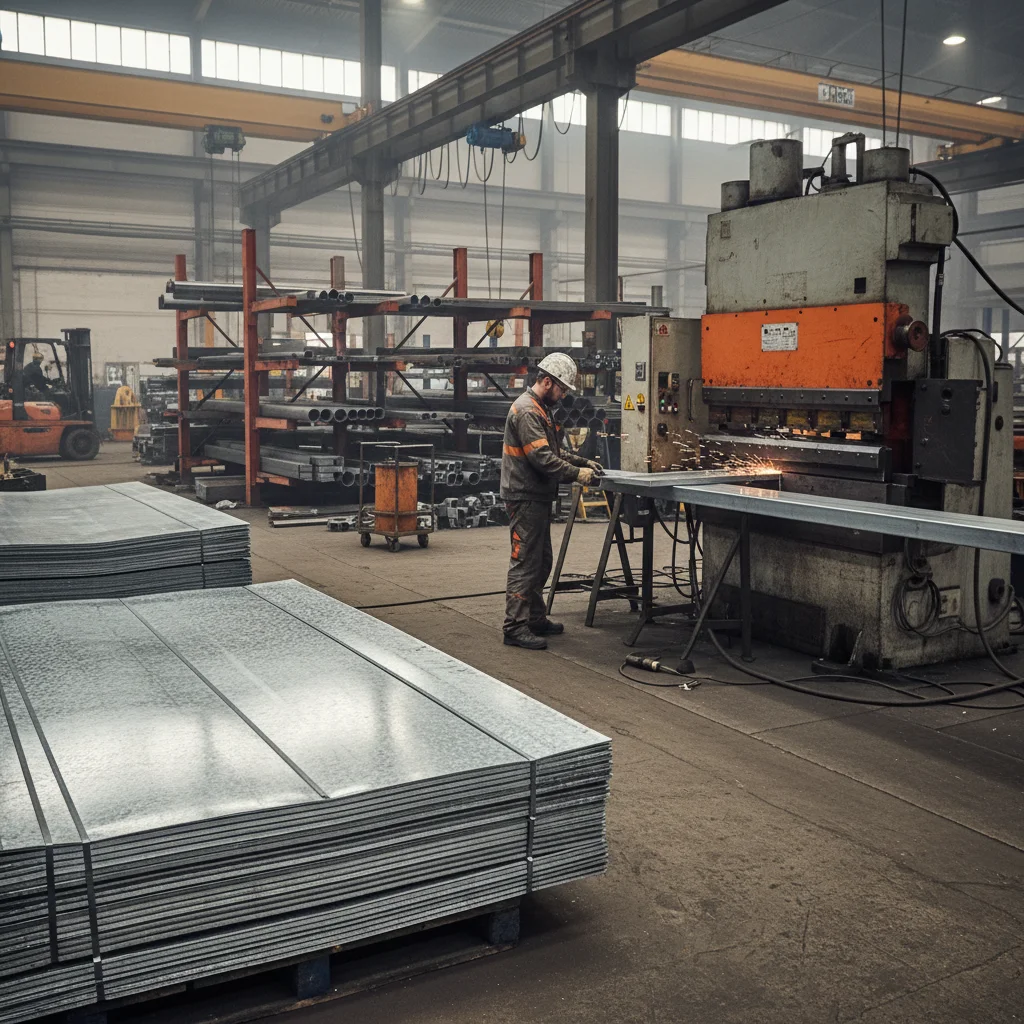
Fabricators appreciate this thickness because it’s straightforward to cut, weld, and form compared to bulkier plates. This agility translates into faster project turnaround and adaptability to custom specs.
Corrosion Resistance (With Treatment)
While raw steel is vulnerable to rust, galvanization or coating can protect 10mm plates well, making them ideal for outdoor installations like bridges or ship hulls.
Product Specification Table: Typical 10mm Thick Steel Plate Features
| Parameter |
Value |
| Thickness |
10mm (±0.2mm) |
| Standard Grades |
A36, A572, Q235, Q345 |
| Yield Strength |
250–345 MPa |
| Tensile Strength |
400–600 MPa |
| Common Finishes |
Hot Rolled, Galvanized |
| Dimensions |
Up to 4000mm x 12000mm (custom sizes) |
Global Applications & Use Cases
The 10mm steel plate is a workhorse. Here are a few examples where it's making tangible impacts:
- Infrastructure development: Bridges and highway guardrails across Europe and Asia increasingly adopt 10mm plates for optimal strength without extra weight.
- Shipbuilding: Coastal shipyards in Japan and South Korea prefer this thickness for hull sections, balancing durability and efficiency.
- Post-disaster shelters: Organizations like the Red Cross use steel plate-based modular units in 10mm thickness to build shelters rapidly in earthquake zones.
- Industrial zones in Africa: Remote manufacturing hubs count on 10mm plates for fabricating machinery chassis and protective enclosures.
It’s fascinating how broadly this particular thickness is leveraged. It’s sort of like the unsung hero of steel plate products.
Vendor Comparison Table: Key Steel Plate Suppliers for 10mm Thickness
| Vendor |
Material Grade Options |
Lead Time |
Pricing (per tonne) |
Global Shipping |
| BaidiSteel |
A36, Q345, A572 |
1-2 weeks |
$680–720 |
Yes |
| GlobalIron Inc. |
A36, Q235 |
3-4 weeks |
$700–750 |
Limited regions |
| SteelWorks |
Q345, A572 |
2-3 weeks |
$690–710 |
Global |
Advantages & Long-Term Value
Why choose a 10mm thick steel plate? Well, aside from its obvious structural benefits, there’s a sort of peace of mind attached to its reliability. Projects built on this material tend to experience fewer maintenance headaches and greater longevity. That translates into better safety for end users—in bridges or industrial plants alike. Plus, the sustainability angle shouldn’t be overlooked. More efficient use of steel means less waste and better carbon footprint management, particularly important given steelmaking's global emissions.
Future Trends & Innovations
The steel industry is evolving quickly. Going forward, expect the rise of greener steelmaking methods—like hydrogen-based reduction replacing coal, per the International Energy Agency’s roadmap. For 10mm steel plates, these changes could mean higher quality materials with reduced environmental impact. Automation in fabrication is another trend, increasing precision and cutting costs. Oddly enough, digital twin technologies might soon allow clients to virtually test plate performance before production.
Challenges & Solutions
Despite these benefits, challenges remain. Transporting heavy steel plates requires infrastructure and can be costly. Corrosion, especially in coastal or industrial environments, still threatens longevity if protective measures aren’t rigorous. Thankfully, innovations such as advanced coatings and composite layering are anticipated to extend service life. Some experts also recommend modular design approaches to speed up installation and reduce wastage.
FAQ: Frequently Asked Questions About 10mm Thick Steel Plate
Q1: What applications best suit the 10mm thick steel plate?
A1: The 10mm plate strikes a balance ideal for structural building components, ship hulls, machinery frames, and emergency shelter frameworks. Its moderate thickness supports substantial loads without excessive weight, making it versatile.
Q2: How durable is a 10mm steel plate in harsh outdoor environments?
A2: With proper surface treatments like galvanization or specialized coatings, 10mm plates can resist corrosion and environmental wear for decades, making them reliable for bridges, ships, and exposed industrial uses.
Q3: Is the 10mm steel plate cost-effective compared to alternatives?
A3: Absolutely. It offers a great return on investment by minimizing maintenance costs and providing structural integrity without overspending on heavier thicknesses that might be unnecessary.
Q4: Can 10mm steel plates be customized to specific dimensions or grades?
A4: Yes, suppliers often cut plates to required lengths and widths, and offer various steel grades depending on application needs and regional standards.
Q5: How can international buyers source good quality 10mm thick steel plates?
A5: Partnering with reputable producers like BaidiSteel ensures quality assurance, global shipping options, and support navigating import regulations.
Conclusion
All told, the 10mm thick steel plate embodies a perfect blend of strength, economy, and versatility. As industries around the world seek smarter, more sustainable materials, these plates will only grow in importance. Whether you’re building critical infrastructure or fast emergency shelters, understanding and sourcing the right steel plate can be a game-changer.
Feel free to explore options and technical details at BaidiSteel—the experts in premium steel solutions.
Quick takeaway: The 10mm steel plate isn’t just a flat piece of metal; it’s a vital piece of the global puzzle—supporting innovation, safety, and sustainability.
References
- World Steel Association (2023)
- ISO Standards for Steel Grades
- International Energy Agency - Hydrogen Steelmaking