Hit enter to search or ESC to close
26 February 2026
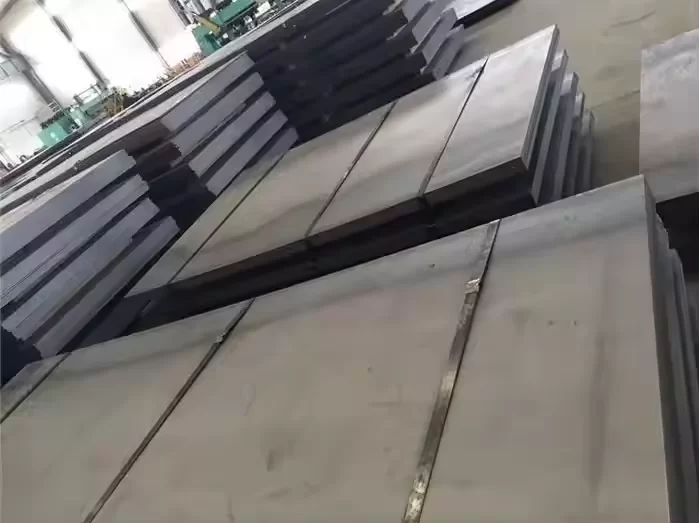
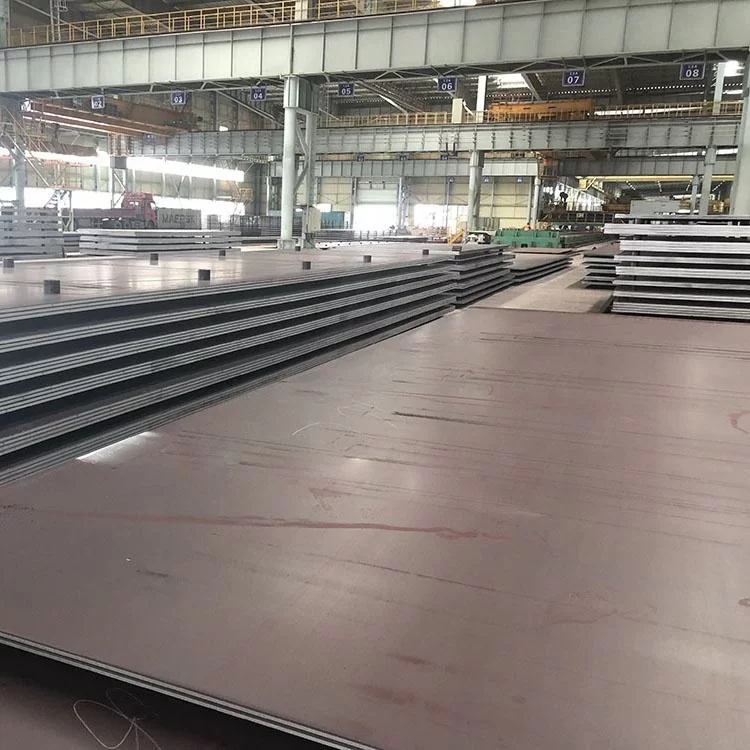
Galvanized steel sheet, particularly in the standard 4x8 foot size, is a workhorse material across countless industries. Its durability, corrosion resistance, and cost-effectiveness make it ideal for applications ranging from construction and automotive to appliance manufacturing and beyond. This article dives deep into the world of metal sheet 4x8 galvanized, exploring its properties, uses, grades, and factors to consider when making a purchase. We'll cover everything from understanding galvanization processes to choosing the right thickness and finish for your specific project.
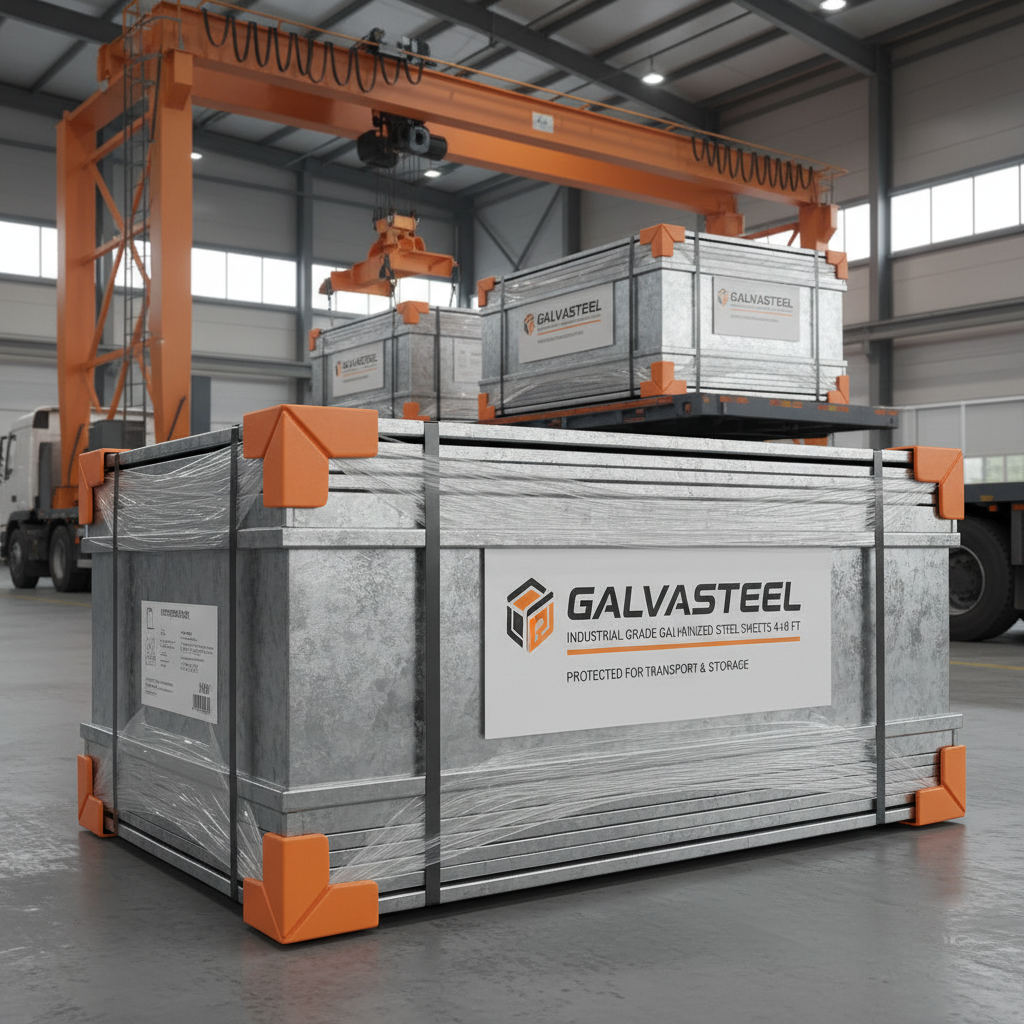
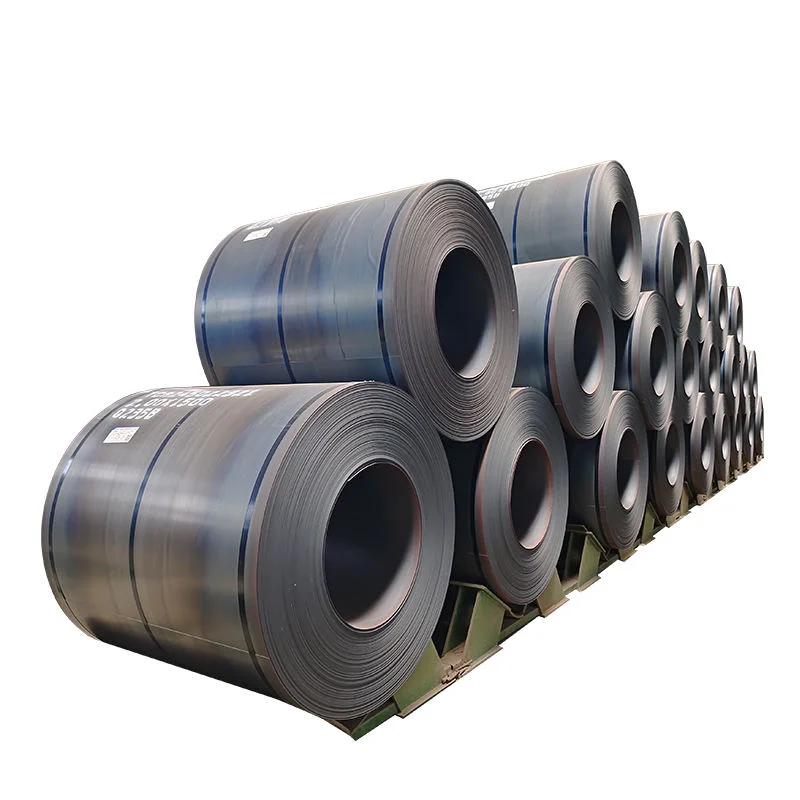
Galvanization is the process of applying a protective zinc coating to steel or iron, preventing rusting. This is most commonly achieved through hot-dip galvanizing, where the steel is submerged in a bath of molten zinc. The resulting zinc coating acts as a barrier, shielding the steel from the elements and sacrificial protection – meaning the zinc corrodes before the steel. The 4x8 foot (1219mm x 2438mm) size is a standard in the industry due to its efficient use of steel coils during manufacturing and compatibility with common cutting and fabrication equipment. This size minimizes waste and streamlines production processes.
Key Benefits of Galvanized Steel: Corrosion resistance, increased lifespan, low maintenance, cost-effectiveness, and versatility.
The versatility of metal sheet 4x8 galvanized lends itself to a huge array of applications. In construction, it’s used for roofing, siding, ductwork, and structural supports. The automotive industry utilizes it for body panels and undercarriage components. Agricultural applications include roofing for barns and fencing. It’s also a staple in appliance manufacturing, forming the outer casings of refrigerators, washing machines, and other household devices. Furthermore, it is often found in HVAC systems, gutters, and various industrial equipment. Its resilience makes it a preferred choice in environments prone to moisture and corrosion.
Key Application Areas:
• Construction (Roofing, Siding, Ductwork)
• Automotive (Body Panels, Undercarriage)
• Agriculture (Barn Roofing, Fencing)
• Appliance Manufacturing
Galvanized steel sheets are available in various grades and thicknesses to meet specific requirements. Common grades include ASTM A36, A60, and A90, each offering different levels of strength and formability. Thickness, measured in gauge, ranges from very thin sheets (26 gauge) for lightweight applications to thicker sheets (12 gauge or lower) for structural purposes. Choosing the correct thickness is crucial for ensuring the material can withstand the intended load and stresses. Thicker gauges are more durable but also heavier and more expensive.
Beyond the galvanization process itself, various finishes can be applied to enhance the appearance and performance of metal sheet 4x8 galvanized. Common finishes include mill finish (the natural galvanized look), pre-painted galvanized steel (offering color options and enhanced corrosion resistance), and post-painted galvanized steel (allowing for customized paint applications). The choice of finish depends on the aesthetic requirements and the level of protection needed.
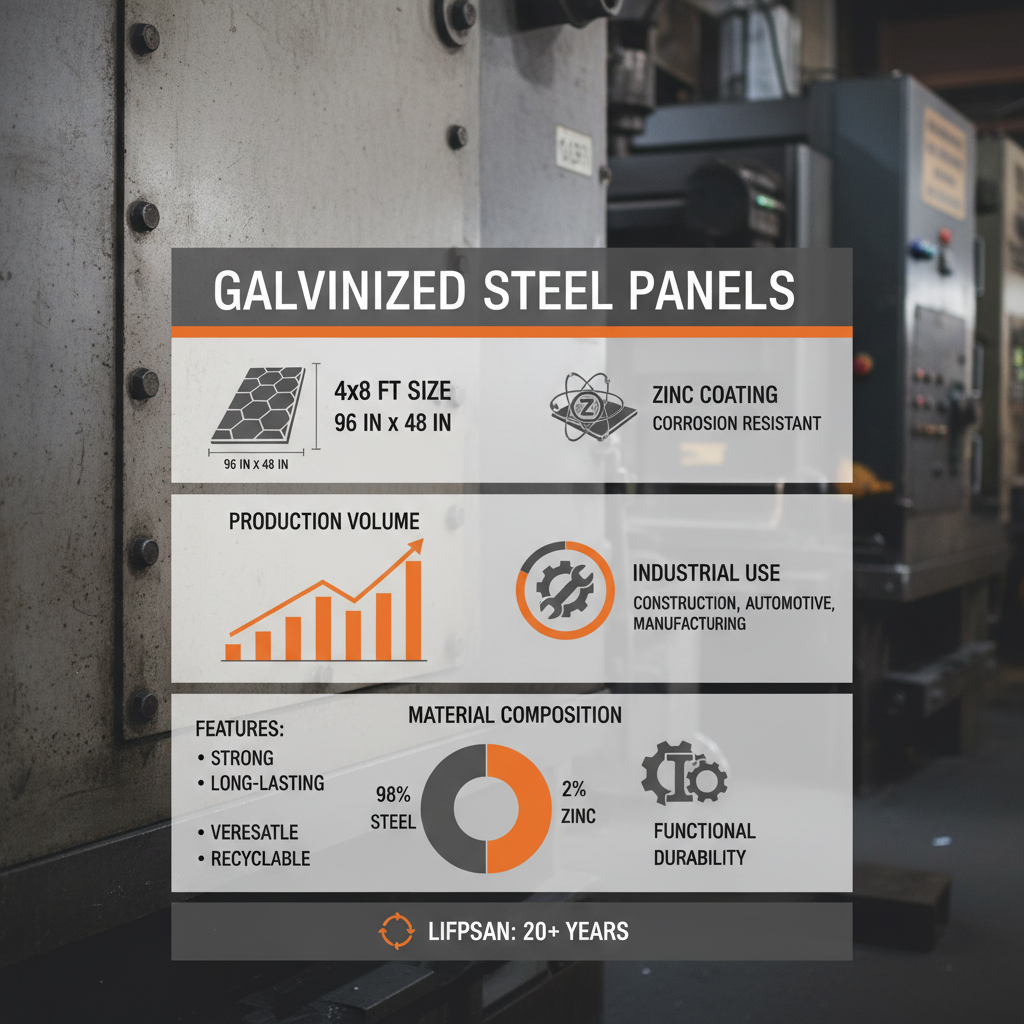
Selecting the appropriate metal sheet 4x8 galvanized requires careful consideration of application, grade, thickness, and finish. By understanding these factors, you can ensure you’re investing in a durable, cost-effective, and reliable material that will meet your project’s specific needs. Baidysteel offers a comprehensive range of galvanized steel products and expert advice to help you make the right choice.
The lifespan of galvanized steel varies depending on the environment and exposure conditions. In rural areas with low pollution, it can last for over 50 years. In more aggressive environments, such as coastal areas with high salt content, the lifespan may be shorter, ranging from 20-30 years. However, even after the zinc coating is depleted, the steel will continue to resist corrosion at a slower rate. Regular maintenance, such as cleaning and re-coating, can significantly extend the lifespan.
Yes, galvanized steel can be welded, but it requires specific techniques to avoid hazardous fumes and maintain the corrosion resistance of the zinc coating. The fumes released during welding can be harmful, so proper ventilation and respiratory protection are essential. It’s often recommended to grind off the galvanized coating in the welding area to prevent zinc vaporization. Using a welding process with lower heat input, such as MIG welding, is also advisable.
Pre-painted galvanized steel offers several advantages over traditional galvanized steel. It provides enhanced corrosion protection, a wider range of color options, and a more aesthetically pleasing finish. The paint coating acts as an additional barrier against the elements, further extending the lifespan of the steel. Pre-painted galvanized steel is also easier to clean and maintain than bare galvanized steel.
Yes, galvanized steel is 100% recyclable. In fact, it's one of the most recycled materials in the world. The zinc coating doesn't hinder the recycling process and is recovered during steel recycling. Recycling galvanized steel conserves resources, reduces landfill waste, and lowers energy consumption. Baidysteel actively supports sustainable practices and promotes the recycling of steel.