Navigating the Steel Plate Suppliers Market and Material Considerations

0%

Table of Contents

To be honest, the steel plate world isn’t flashy. It doesn't get the hype of new polymers or fancy composites. But spend a year bouncing between fabrication shops and construction sites, and you realize it’s the bedrock of everything. Lately, everyone’s talking about high-strength low-alloy (HSLA) steels, and weathering steels – Corten, mostly. They claim it cuts down on maintenance, which, okay, sounds good in a boardroom. But have you noticed? The color variations drive quality control guys *crazy*. They want perfect consistency, and Corten just…doesn’t *do* perfect.

And then there's the thickness issue. Seems simple, right? Order a 6mm plate. But mills, they have tolerances. Sometimes you get 5.8, sometimes 6.2. It doesn’t sound like much, but when you’re welding, or fitting things into a tight space…that extra tenth of a millimeter can ruin your whole day. I encountered this at the Baosteel factory last time, a seemingly minor discrepancy that held up a bridge construction for nearly a week. A week!

It's all about getting the right grade for the job. Folks underestimate how much different alloys feel. Mild steel – you can practically bend it with your hands. Smells metallic, obviously. High-carbon steels are harder, colder to the touch. And the smell…slightly acrid when you’re grinding. Stainless…well, stainless smells like stainless. It’s a clean smell, if that makes sense. Anyway, I think a lot of designers forget that these aren't just numbers on a spec sheet; they're materials you have to *work* with.
steel plate suppliers

The Current Landscape of Steel Plate Suppliers

steel plate suppliers

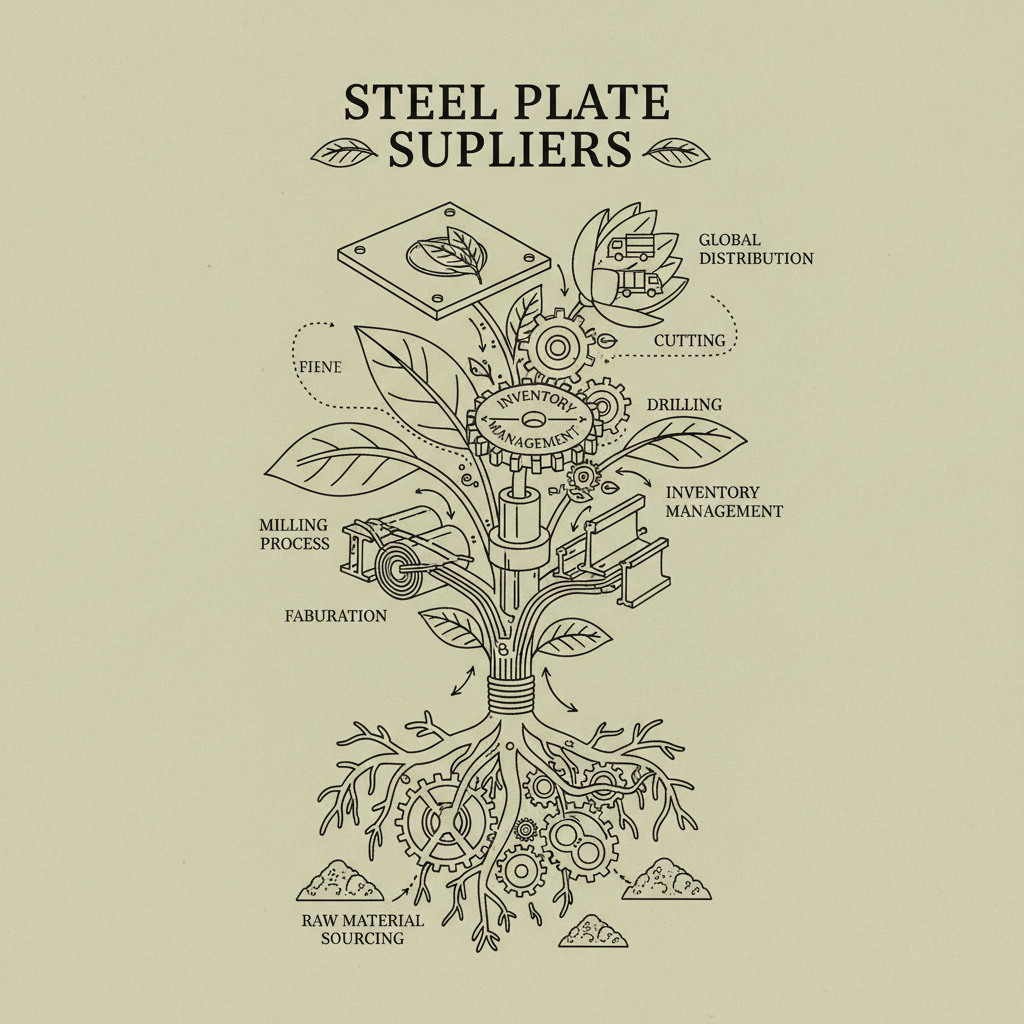
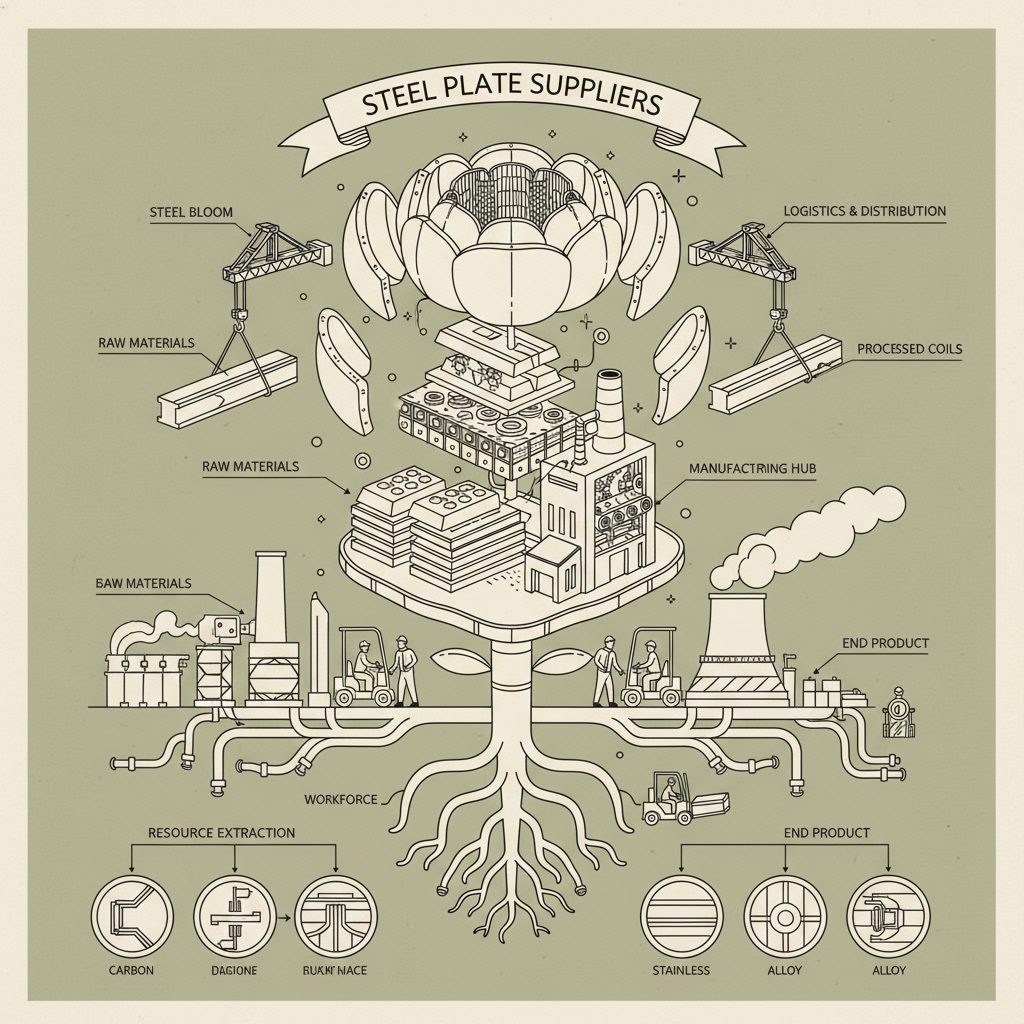
The market for steel plate suppliers is… fragmented. You’ve got the giants like Baosteel, ArcelorMittal, and Nippon Steel, pushing out massive volumes. Then you've got hundreds of smaller regional suppliers. Strangely, the smaller ones often have better lead times and are more willing to work with custom orders. But quality control can be a gamble. You really need someone who understands your project inside and out. That’s why finding reliable steel plate suppliers is key, especially with the recent supply chain disruptions.

What’s really changing is the push for greener steel. Everyone’s talking about reducing carbon footprints, and that means a lot more investment in electric arc furnaces and scrap steel recycling. It's good, obviously. But it also means prices are volatile.

Common Pitfalls in Steel Plate Design

The biggest mistake I see? Over-specifying. Engineers will call for a super-high grade of steel when a more common grade would do just fine. It drives up costs needlessly. And then there's the weldability issue. Some high-strength steels are a pain to weld – you need pre-heating, post-weld heat treatment…it’s a whole headache.

Another one: forgetting about corrosion. Especially in coastal areas or where there’s a lot of road salt. Stainless steel is the obvious answer, but it’s expensive. Sometimes a good epoxy coating is enough. But you've got to prep the surface properly, or the coating will peel off in months. I've seen it happen so many times...

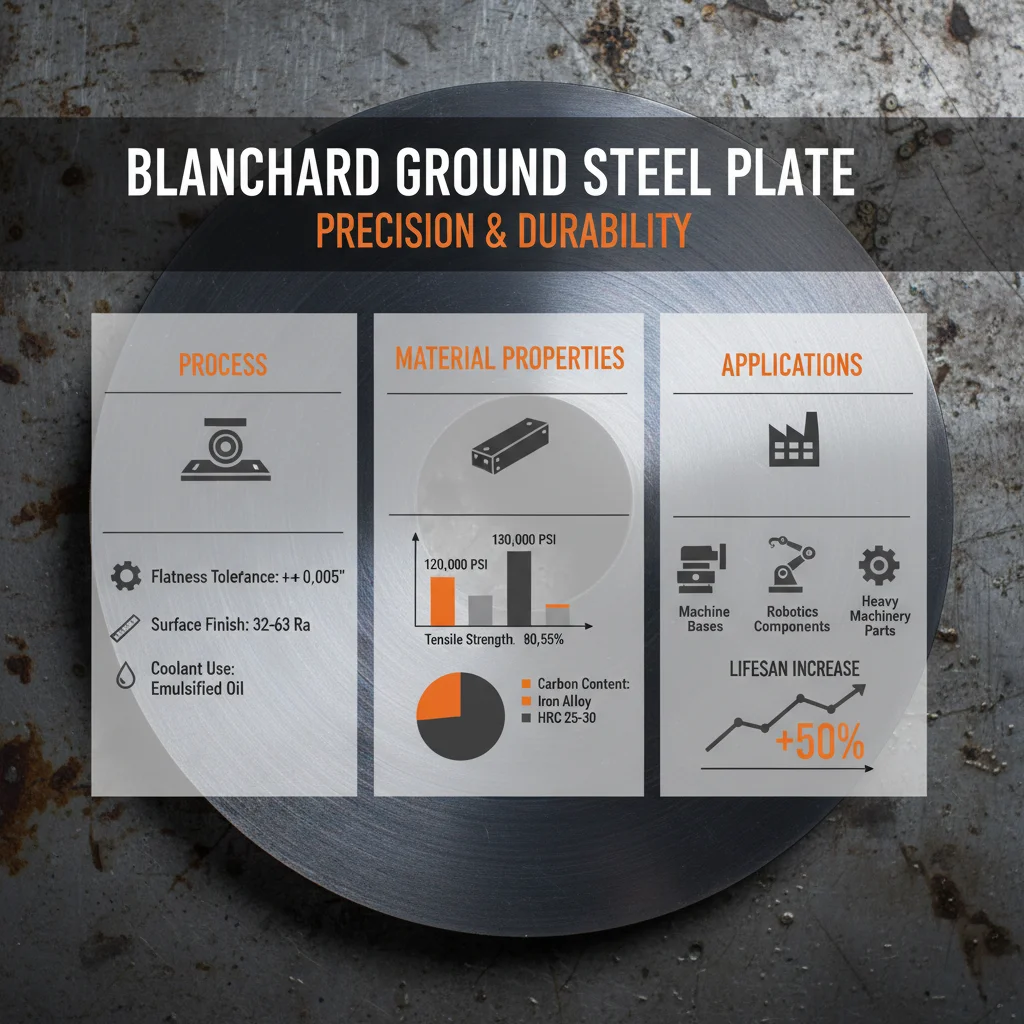
Also, people often underestimate the impact of plate flatness. If you're building something that requires precise alignment, even a slight warp can cause problems. You need to specify flatness tolerances, and you need to inspect the plates carefully before you start fabricating.

Material Properties and On-Site Handling

Let’s talk about handling. Steel plates are heavy, obviously. But it’s not just the weight. It’s the edges – they’re sharp! I’ve seen more than a few guys slice their hands open. Always wear gloves. And always use a lifting magnet with a good safety factor. I once saw a magnet fail… nearly took a guy’s foot off.

Storage is important too. If you leave plates out in the rain, they’ll rust. If you stack them directly on the ground, they can pick up moisture and warp. You need a dry, level surface and a cover to protect them from the elements. Seems basic, but you'd be surprised how many yards just leave stacks of steel sitting outside.

And don’t even get me started on trying to move plates on a muddy construction site. It’s a nightmare. You need a forklift with pneumatic tires and a skilled operator. Otherwise, you're just spinning your wheels and wasting time.

Real-World Testing and Performance

Lab tests are fine, I guess. Yield strength, tensile strength, elongation… all good to know. But the real test is how the steel performs in the field. I’ve seen steel that looks great on a certificate fail miserably after a year of exposure to harsh conditions.

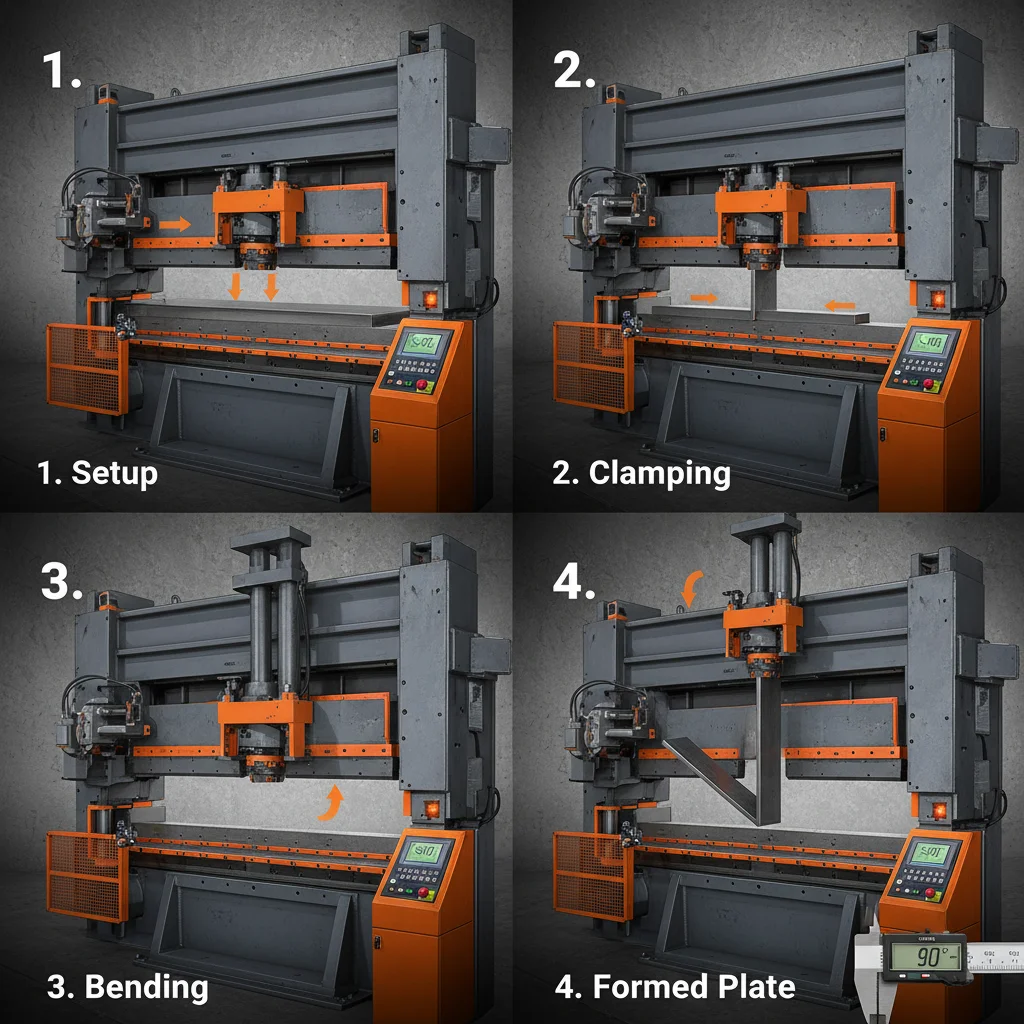
We usually do simple bend tests, impact tests, and visual inspections on-site. It’s not fancy, but it tells you a lot. We also look for signs of corrosion, cracking, and weld defects. And we listen to the welders. They’ll tell you right away if a steel is hard to work with or if the welds aren’t holding.

Steel Plate Supplier Performance Metrics

User Applications and Unexpected Uses

You see steel plates everywhere, obviously. Bridges, buildings, ships. But some of the applications are surprising. I worked on a project last year where they were using steel plates to build sound barriers along a highway. Good stuff.

And they’re popping up in art installations more and more. Sculptors like the way they can be cut and welded into complex shapes. I even saw a guy using them to build a custom barbeque pit. A *very* custom barbeque pit.

Advantages, Disadvantages, and Customization

Steel plates are strong, durable, and relatively inexpensive. That's why they're so popular. But they’re also heavy, prone to corrosion, and require skilled labor to fabricate. It's a trade-off. I suppose.


Customization is definitely possible. You can get plates cut to size, drilled with holes, and even pre-welded with attachments. Last month, that small boss in Shenzhen who makes smart home devices insisted on changing the interface to , and the result was a complete nightmare – the plate warped during the milling process. It was a whole mess, really. He wanted the most modern thing possible and ended up with a useless piece of metal.

A Look at Key Supplier Characteristics

What I look for in a good supplier? Reliability first. Can they deliver on time, consistently? Second, quality control. Do they have a robust inspection process? Third, responsiveness. Can they answer my questions quickly and efficiently?

Price is important, of course, but it's not the only factor. Cheap steel is no bargain if it's riddled with defects. And finally, willingness to work with you. Some suppliers are rigid and inflexible. The good ones are willing to go the extra mile to meet your needs.

It's about finding a partner, not just a vendor.

Key Characteristics of Steel Plate Suppliers

Supplier Reliability Quality Control Rigor Responsiveness to Inquiries Customization Capabilities
On-time delivery rate (percentage) Number of quality control checks per batch Average response time to RFQs (hours) Ability to accommodate custom dimensions
Consistency of material availability Certifications held (ISO 9001, etc.) Dedicated account manager availability Minimum order quantity for custom jobs
Flexibility in adapting to changing orders Destructive and non-destructive testing procedures Proactive communication regarding potential delays Tolerance levels for custom cuts
Financial stability and longevity Adherence to industry standards (ASTM, etc.) Technical support for material selection Availability of specialized coatings
Shipping and logistics capabilities Documentation provided with each shipment Complaint resolution process Ability to handle complex geometries
Overall customer satisfaction rating Inspection reports available upon request Ability to provide samples for testing Lead time for customized solutions

FAQs

What are the key factors to consider when selecting a steel plate supplier?

Beyond price, you've got to look at their reputation, certifications (ISO 9001 is a good start), and their capacity to meet your specific needs. Can they consistently deliver the grade and thickness you require? Do they have a robust quality control process? And honestly, talk to other people who have used them. Word-of-mouth is invaluable in this business. Finding reliable steel plate suppliers takes effort, but it’s worth it.

How do steel plate prices fluctuate and what impacts them?

Steel prices are a rollercoaster. Raw material costs (iron ore, coal) are a big factor. Global demand, especially from China and India, plays a huge role. Trade tariffs and geopolitical events can also cause significant swings. And then there’s the whole supply chain thing – disruptions can drive prices up quickly. It's a complicated mess, to be honest. It’s why locking in prices with a supplier is often a good idea.

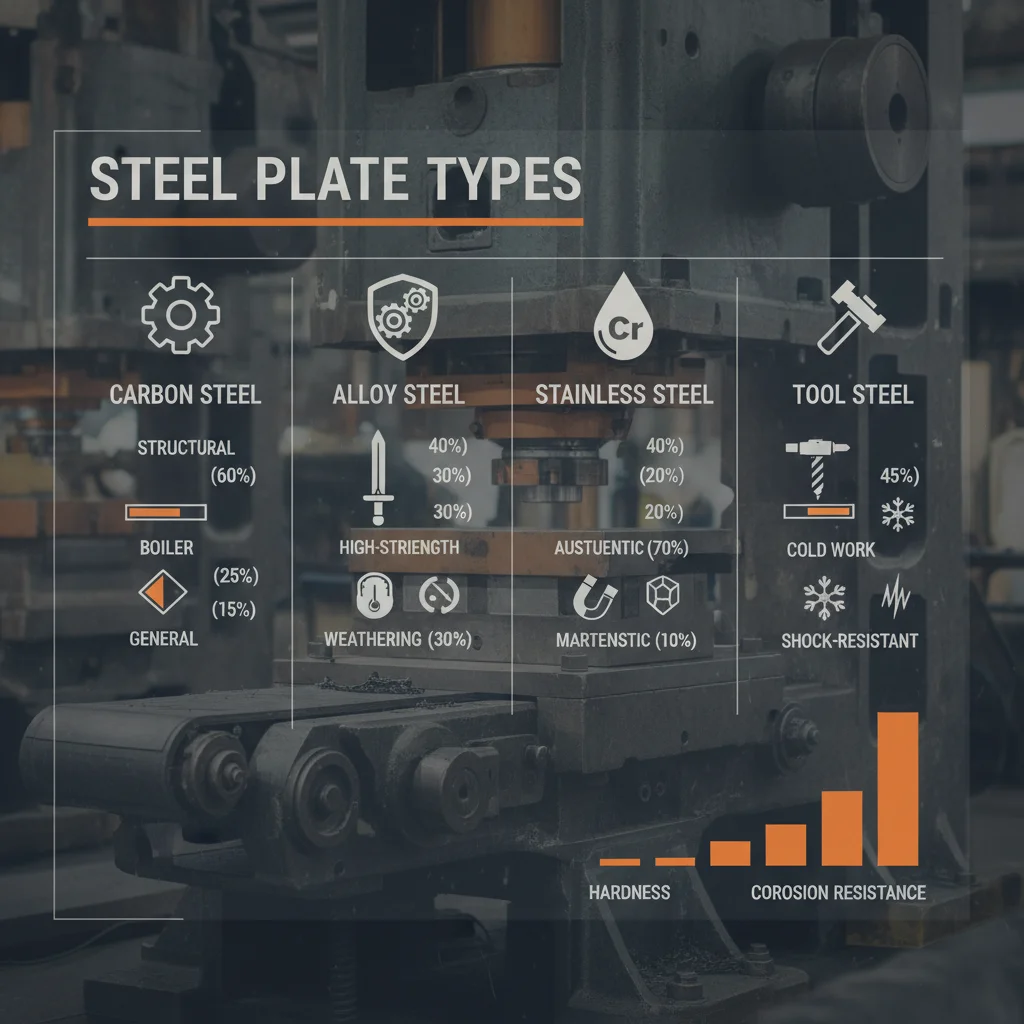
What is the difference between carbon steel, alloy steel, and stainless steel plates?

Carbon steel is the basic stuff, strong and relatively inexpensive, but prone to rust. Alloy steel has other elements added (like manganese, chromium) to improve its properties – strength, toughness, weldability. Stainless steel has a high chromium content, making it resistant to corrosion. Each has its place. Carbon steel for general construction, alloy steel for high-stress applications, and stainless for environments where corrosion is a concern.

What are the common steel plate standards and certifications?

ASTM standards are the big ones – A36, A572, A500, etc. These define the material properties and testing requirements. ISO 9001 is a quality management system certification. And depending on the application, you might need certifications from specific organizations like ABS (for shipbuilding) or ASME (for pressure vessels). It all depends on what you're building.

How important is plate flatness and what are the tolerance levels?

Plate flatness is *crucial* for certain applications – anything involving welding or precise alignment. Tolerance levels are usually specified in the purchase order. Common tolerances are expressed as a maximum deviation from a flat plane. For critical applications, you might need plates that are virtually flat. Otherwise, you’re looking at a lot of rework.

What should I look for in a steel plate supplier's quality control process?

You want to see evidence of thorough testing – visual inspection, dimensional checks, chemical analysis, mechanical testing (tensile, yield, impact). They should have documented procedures and records. And they should be willing to provide you with test reports. A good supplier will be transparent about their quality control process.

Conclusion

So, there you have it. Steel plate suppliers aren’t glamorous, but they're the backbone of so much of what we build. Choosing the right supplier isn't about finding the cheapest price; it’s about finding a partner who understands your needs, delivers consistent quality, and can help you avoid headaches down the road. It's about understanding the nuances of the material, from the feel of the steel in your hand to the complexities of the supply chain.

Ultimately, whether this thing works or not, the worker will know the moment he tightens the screw. And if that screw goes in smooth and the plate holds firm, you know you've got a good foundation. And a good supplier. Visit our website at www.baidysteel.com to explore our range of steel plates and connect with our expert team.

Brian Wilson

Brian Wilson

Brian Wilson is a Senior Sales Executive specializing in automotive-grade steel at Xingtai Baidy Steel Works. With a decade of experience in the steel industry, Brian has a deep understanding of the unique requirements of automotive manufacturers. He excels at building relationships with purchasing managers and engineers, providing technical support and tailored solutions for their steel needs. Brian focuses on delivering high-quality Corten sheet metal and galvanized steel plate, ensuring optimal performance and durability. He is a proactive problem-solver and committed to exceeding customer expectations. Brian holds a degree in Mechanical Engineering and a certification in Sales Management.
Next Navigating the Complexities of Modern Steel Plate Factory Fabrication

If you are interested in our products, you can choose to leave your information here, and we will be in touch with you shortly.