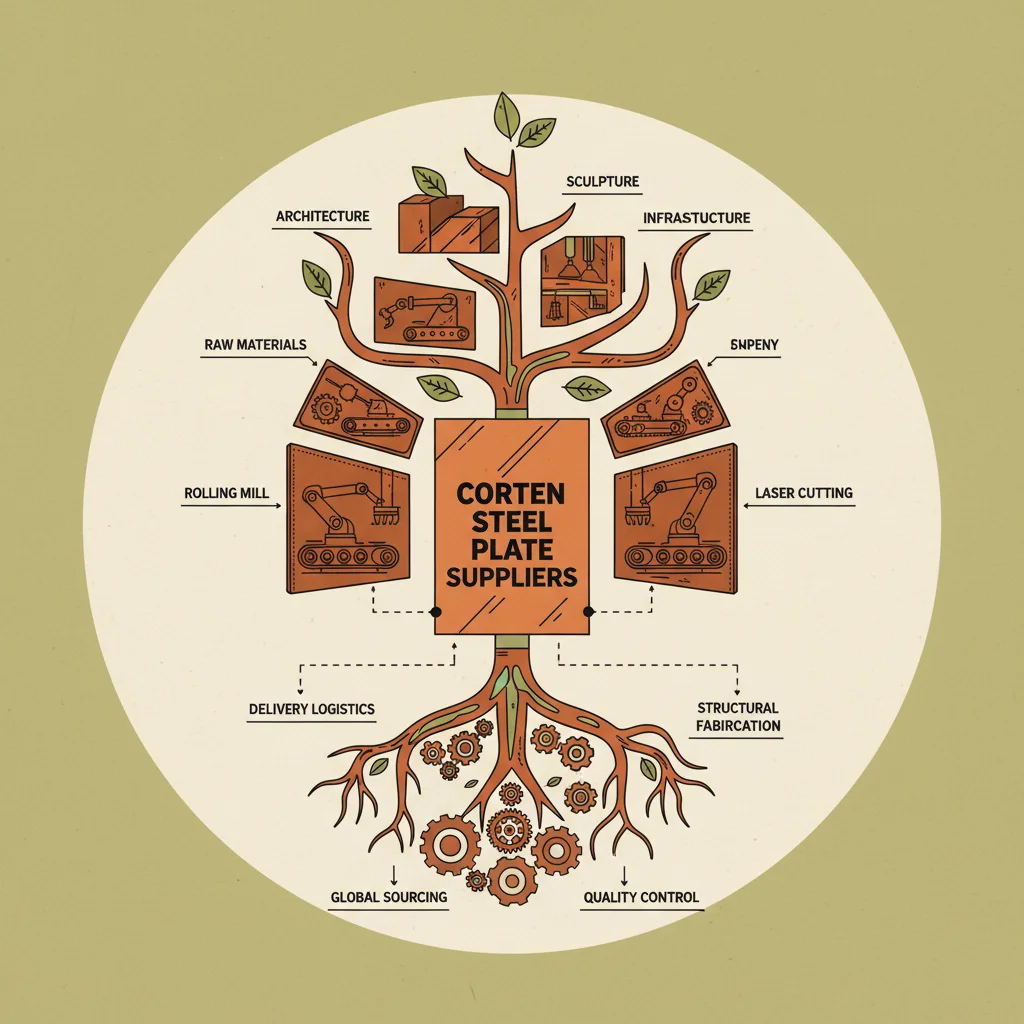
To be honest, things are moving fast in the construction materials world. Everyone's talking about prefabrication now, right? It's not new, but it's really taking off. The demand for faster build times, less waste... It's pushing everyone to rethink how we get things done. I was down at a site in Shanghai last month, and they were practically building entire apartment blocks off-site and just dropping them into place. Kind of wild.
And it's not just buildings. Infrastructure too. You'd be surprised how many bridge components are now made in factories and assembled on location. It’s a game changer, but also, let me tell you, it introduces a whole new set of headaches.
What’s weird is how easily people get caught up in the ‘specs’ and forget about the reality of a construction site. Like, I encountered this at a factory in Guangzhou last time – they designed a connector piece with these super-tight tolerances, looked beautiful in the CAD drawings, but completely impractical when you’re trying to bolt it together in the rain with greasy hands. Seriously. A tiny bit of mud and you’re stuck.
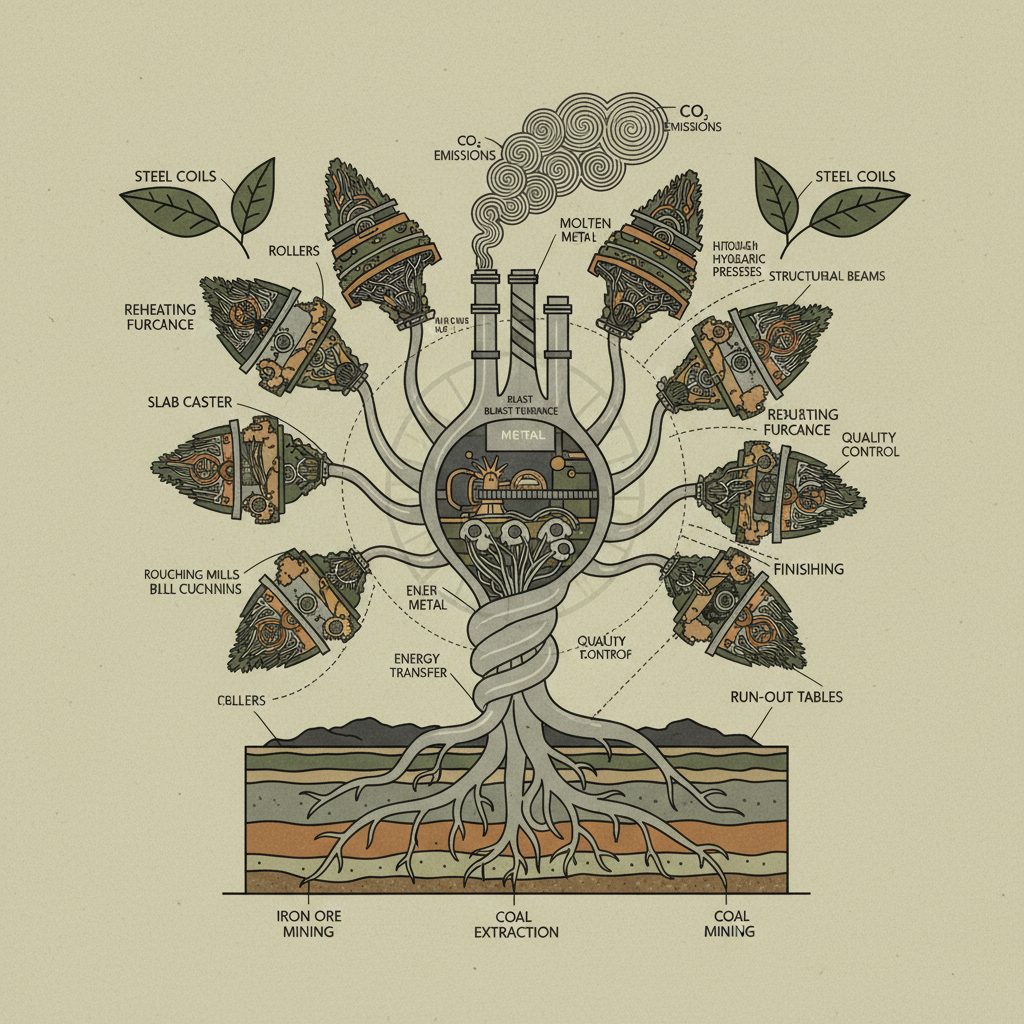
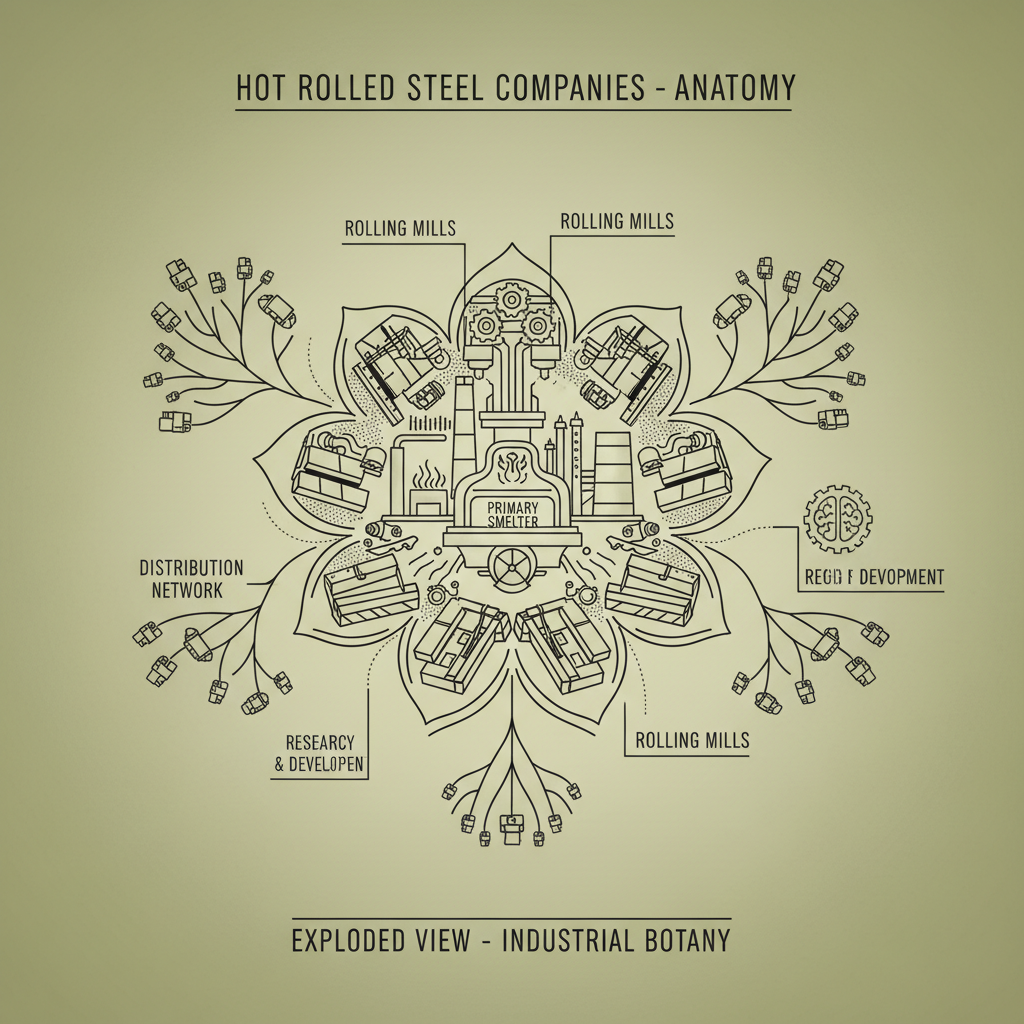
The Current Landscape of Hot Rolled Steel Companies
Look, hot rolled steel companies are the backbone of pretty much everything we build. Always have been. But lately, you’ve got a lot of consolidation happening. A few big players are snapping up the smaller ones. It’s making it harder to get that personalized service, you know? You used to be able to call up a mill and talk directly to the guy who was making your steel. Now it’s layers of middle management.
And the pressure on pricing is insane. Everyone's squeezing margins. They're all chasing the same contracts, and they’re willing to cut corners to win. That’s why you see more and more issues with quality control. It’s a race to the bottom, frankly.
Design Pitfalls in Hot Rolled Steel Applications
Have you noticed how architects love these complex geometries these days? All curves and angles? It looks great on paper, but it’s a nightmare for the steel fabricators. Hot rolled steel wants to be straight, it wants to be simple. Trying to force it into something it isn’t adds cost and introduces weak points. They end up welding things together that shouldn’t be welded, and then you’re asking for trouble.
Another thing: relying too much on computer simulations. They're good, but they don’t account for the real-world stresses and strains. A tiny imperfection in the steel, a slightly off-angle weld… these things can throw the whole calculation off. I've seen simulations predict a structure can handle a certain load, and then it buckles under half of it.
And don't even get me started on corrosion protection. People think slapping on a coat of paint is enough. It's not! Especially in coastal areas or industrial environments. You need proper galvanizing or specialized coatings. Otherwise, you're looking at a rebuild in a few years.
Materials and Their Practical Handling
The steel itself… it smells different depending on the mill, honestly. Some have a cleaner, almost metallic scent, others have a sort of oily, industrial tang. You learn to recognize the good stuff just by smell. The feel is important too. Good steel is dense, heavy. It feels solid in your hands. Cheap steel feels… spongy.
I prefer working with A36 steel most of the time. It's a good all-around performer, relatively easy to weld, and it’s readily available. But for high-stress applications, you need something stronger, like A572 Grade 50. That stuff is a beast to work with, though. Requires preheating, specialized welding techniques… it’s a whole different ballgame.
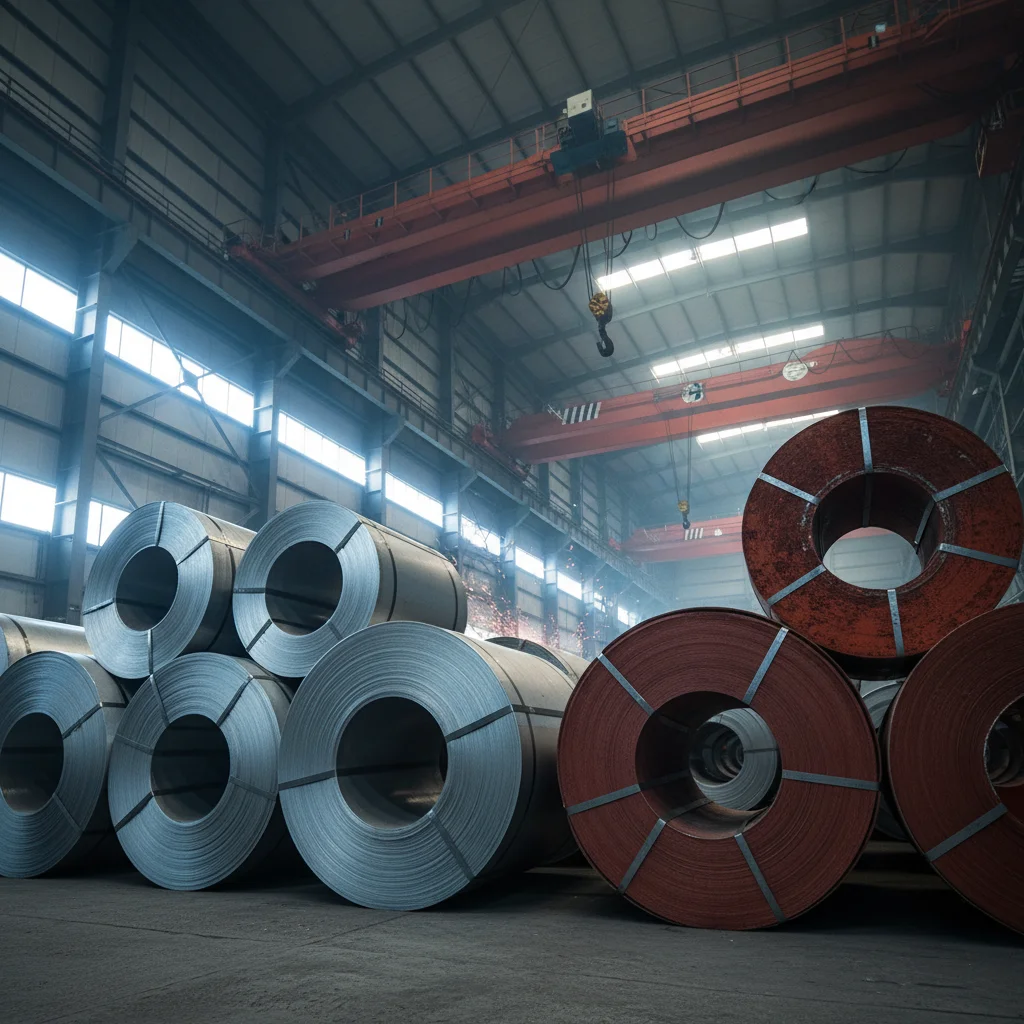
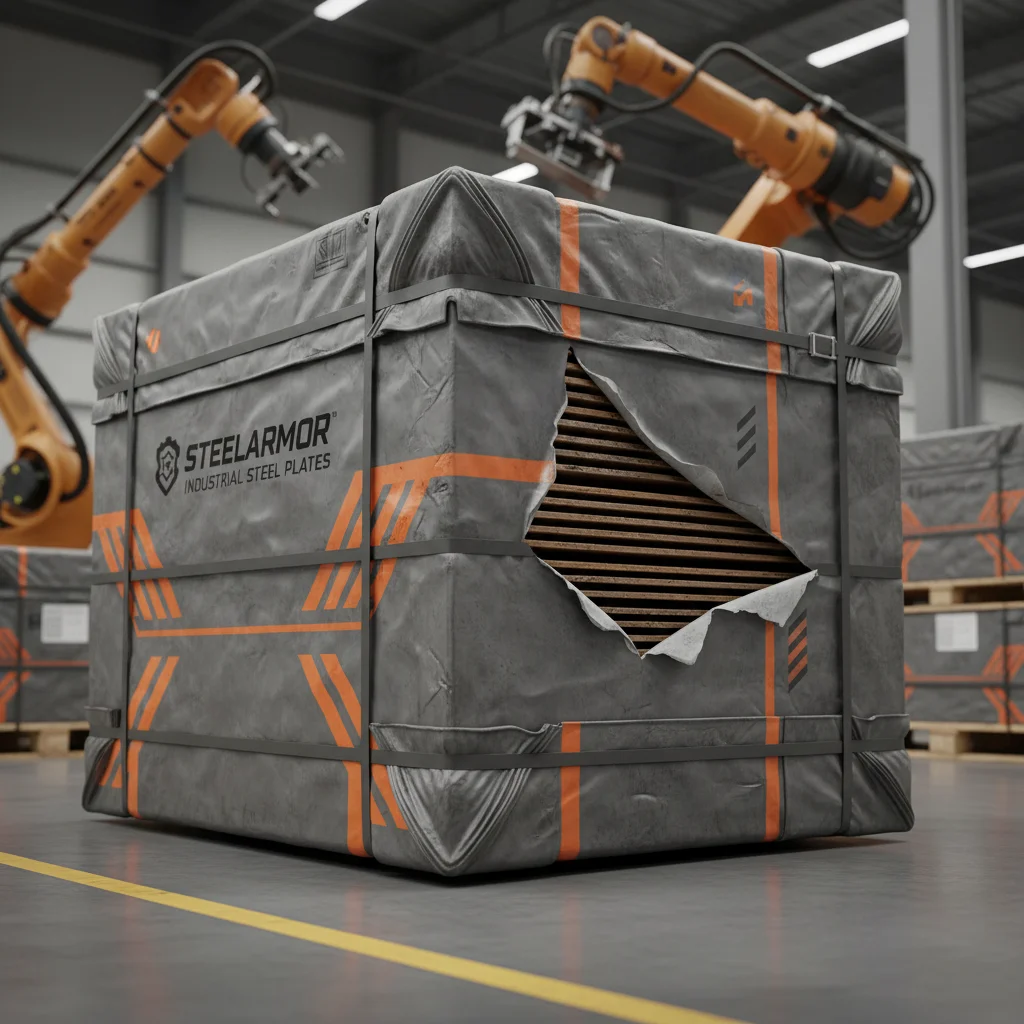
And handling it is a pain. You’ve got to be careful about stacking it properly to prevent damage. And rust is always a concern. We always keep tarps handy to cover the steel when it’s stored outside. And honestly, the forklift drivers need to be trained properly. Too many bent corners because someone’s rushing.
Real-World Testing and Performance
Forget the lab tests. They're useful for getting a baseline, but the real test is on the site. We do a lot of bend tests, shear tests, tensile tests. But we don't do them in a controlled environment. We do them with the equipment we have on hand, under the conditions we're actually working in. Strangely, that's the only way you get a true picture of performance.
I remember one time, we had a shipment of steel that failed a bend test on site. We sent it back to the mill for analysis, and they insisted it met all the specifications. But it felt wrong. Turns out, there was a slight inconsistency in the alloy composition. It wasn’t enough to show up in the lab tests, but it made the steel brittle and prone to cracking.
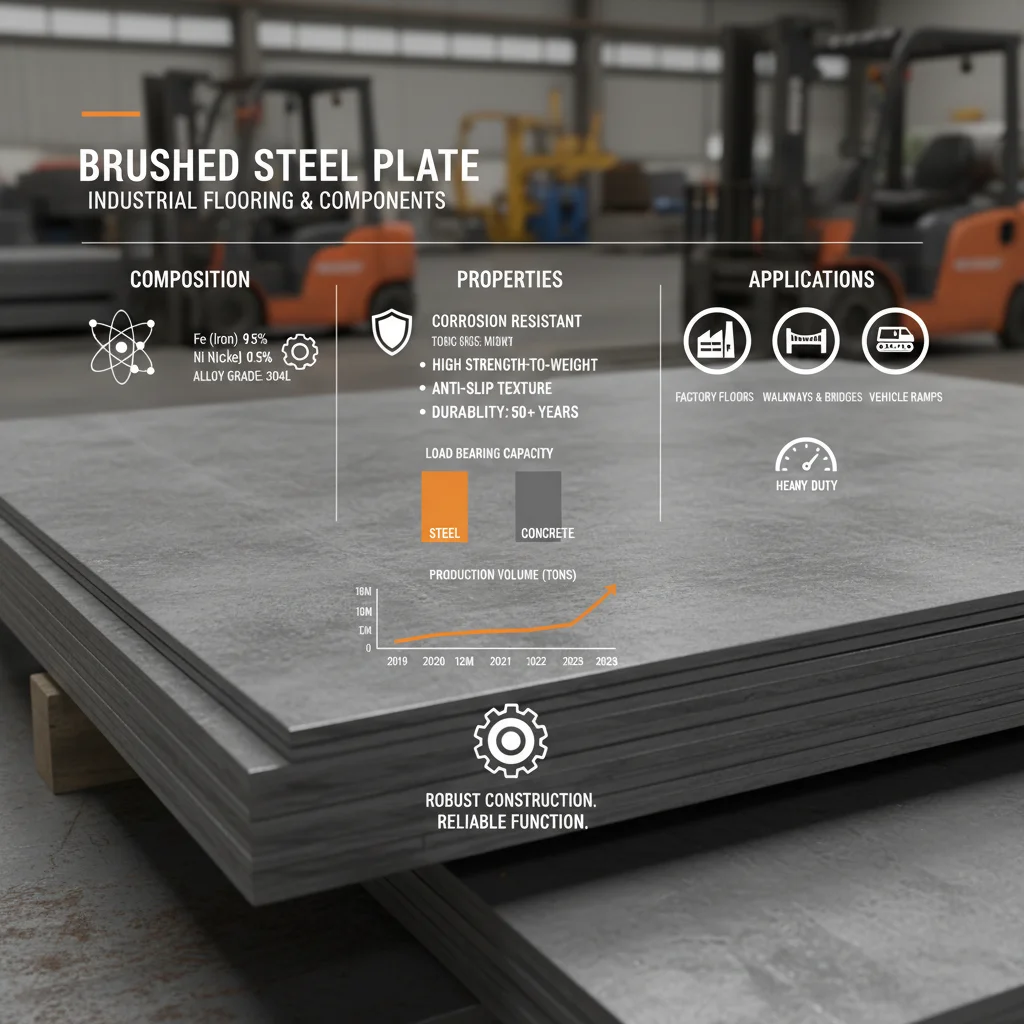
Hot Rolled Steel Companies Performance Metrics
Actual Usage Patterns vs. Design Intent
It's always funny to see how people actually use things versus what the engineers intended. Like, we designed a steel frame for a solar panel installation, thinking it would be bolted securely to the roof. But the installers just used a bunch of self-tapping screws. It held for a while, but then the first big wind came along… Anyway, I think they learned their lesson.
Or, the amount of over-welding I see. People think more weld is always better. It’s not. It adds stress, it creates distortion, and it’s a waste of time and money. You need the right weld size, the right technique, and a skilled welder. It seems simple, but it’s surprisingly hard to find good welders these days.
Advantages, Disadvantages, and Customization Options
The advantages are obvious: strength, durability, cost-effectiveness. Hot rolled steel is still the go-to material for most structural applications. But it’s heavy, it corrodes, and it requires a lot of maintenance. And the lead times can be brutal. If you need something fast, you’re paying a premium.
Customization is possible, of course. You can get different grades, different thicknesses, different finishes. Last month, that small boss in Shenzhen who makes smart home devices insisted on changing the interface to , and the result was a massive delay because the steel supplier didn’t have the tooling to create that specific shape. It was a nightmare. He swore it was for “user experience” but I suspect he just wanted to be different.
A Customer Story & Practical Considerations
One time, we were working on a bridge project in rural Sichuan Province. It was a remote site, difficult to access. The local crew had limited welding experience. We opted for a bolted connection design, even though it was slightly more expensive. It turned out to be the right call. They were able to assemble the bridge quickly and safely, without needing highly skilled welders.
It’s about finding the right balance between cost, performance, and practicality. You can design the most amazing structure in the world, but if it can't be built efficiently and reliably on site, it’s worthless.
There's also the whole issue of transportation. Getting steel to remote sites can be a logistical nightmare. You need to factor in road conditions, bridge clearances, and the availability of heavy-duty trucks. It’s a headache, but it’s one you have to deal with.
Summary of Factors Influencing Hot Rolled Steel Selection
| Project Location |
Skill Level of Workforce |
Budget Constraints |
Time Sensitivity |
| Remote, challenging terrain |
Limited welding expertise |
Tight budget, cost minimization |
Aggressive project deadline |
| Urban, easily accessible |
Highly skilled and certified welders |
Moderate budget, quality focus |
Flexible timeline, long-term durability |
| Coastal, high salt exposure |
Average skill level, some training |
Prioritizing long-term maintenance costs |
Balancing speed and reliability |
| Industrial, corrosive environment |
Experienced, specialized fabricators |
Premium budget, maximizing performance |
Critical operational requirements, minimal downtime |
| Seismic zone, earthquake risk |
Compliance with stringent safety standards |
Life cycle cost assessment, long-term resilience |
Rapid response capabilities, disaster preparedness |
| High-traffic area, heavy loads |
Routine inspections and maintenance access |
Balancing initial costs and long-term value |
Minimizing disruptions to traffic flow |
FAQS
In marine environments, hot rolled steel needs serious protection. Forget just painting – you need galvanizing, or even better, specialized coatings like epoxy or polyurethane. Regular inspections are crucial too. Saltwater will find its way in eventually, so you need to catch it early and address it before it causes significant damage. And don’t skimp on the prep work! A clean surface is essential for any coating to adhere properly.
Higher strength steels like A572 require preheating to prevent cracking. Lower carbon steels are generally easier to weld, but still need proper technique. The biggest issue I see is using the wrong filler metal. You need to match the filler metal to the base metal to achieve a strong and reliable weld. And always make sure your welders are properly certified and experienced with the specific grade of steel you’re using.
There’s always going to be some variation. It’s the nature of the beast. You need to account for that in your design. Don’t design things with super-tight tolerances that require perfectly dimensioned steel. Allow for some play, and use shims or adjustable connections to compensate for any discrepancies. It’s a pain, but it’s better than trying to force things to fit.
Reliability, reputation, and lead times are big ones. You want a supplier who can consistently deliver quality steel on time. Price is important, of course, but don't sacrifice quality just to save a few bucks. Also, look for a supplier who offers good technical support. You want someone you can call up with questions and get helpful advice.
Normalizing can improve the machinability, toughness, and uniformity of the steel. It essentially removes internal stresses and refines the grain structure. It’s usually done after hot rolling and before further processing, like welding or machining. It adds cost, but it’s worth it for critical applications where you need consistent performance.
Hot rolled steel is generally cheaper and stronger, but it's also heavier and more prone to distortion. Cold-formed steel is lighter, more dimensionally accurate, and offers better surface finishes, but it's typically more expensive and has lower strength. It really depends on your specific application and what your priorities are.
Conclusion
So, ultimately, hot rolled steel companies remain vital. It's a fundamental material, it will always be in demand, but the industry is changing. Prefabrication, stricter quality control, and a greater emphasis on sustainability are all driving new trends. Understanding these trends is crucial for anyone involved in construction.
And honestly? Whether this thing works or not, the worker will know the moment he tightens the screw. All the engineering, all the certifications, all the fancy software… it all comes down to that simple moment. If the screw goes in smoothly, and the connection feels solid, you know you’ve done something right. That's all that really matters. Visit our website at www.baidysteel.com to learn more.