Hit enter to search or ESC to close
5 February 2026
Galvanized steel metal sheet is a widely used material across numerous industries, prized for its strength, durability, and corrosion resistance. This article provides an in-depth exploration of galvanized steel, covering its production, properties, applications, and benefits. Whether you're involved in construction, manufacturing, or automotive industries, understanding the characteristics of galvanized steel metal sheet is crucial for making informed decisions. We'll delve into the different types, coatings, and factors influencing its quality, helping you choose the right material for your specific needs.

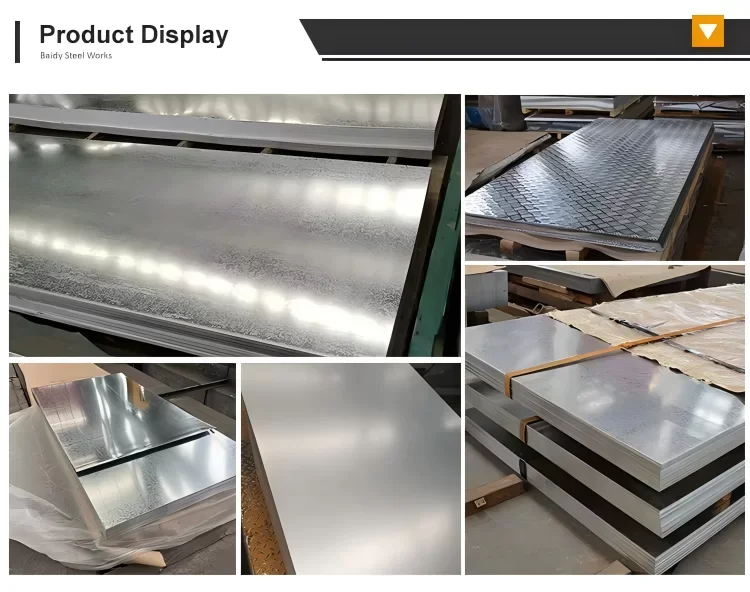
Galvanized steel is created by applying a protective zinc coating to steel or iron, thereby shielding it from rust and environmental degradation. The most common method is hot-dip galvanizing, where steel is submerged in a bath of molten zinc. Other methods include electrogalvanizing, pre-coated galvanizing, and zinc spraying. The zinc coating acts as a barrier, preventing corrosive elements from reaching the underlying steel. This process significantly extends the lifespan of the steel, making it ideal for outdoor and harsh environments. Baidy Steel provides a wide range of galvanized steel products tailored to various industrial applications.
Key Highlights: Galvanized steel protects against rust and environmental degradation. Hot-dip galvanizing is the most common method, creating a durable zinc coating.
Different galvanizing processes yield varied levels of protection and surface finish. Understanding these distinctions is vital when selecting the right material for your project. Commonly, you’ll find these types of galvanized steel:
The versatility of galvanized steel metal sheet makes it a staple in countless applications. In the construction sector, it is commonly used for roofing, siding, gutters, and structural components. The automotive industry relies on it for car bodies and chassis parts due to its strength and corrosion resistance. Other applications include agricultural equipment, fencing, ductwork, and various industrial containers. Explore Baidy Steel's product catalog to find specific galvanized steel solutions for your projects.
The benefits of choosing galvanized steel are significant. Foremost is its superior corrosion resistance, dramatically extending the service life of structures and components. This translates to lower maintenance costs and reduced replacement frequency. Galvanized steel is also relatively low cost compared to other corrosion-resistant materials like stainless steel. It is readily available, easily fabricated, and offers good strength-to-weight ratio.

The quality of galvanized steel depends on several factors. These include the thickness of the zinc coating (measured in grams per square meter), the uniformity of the coating, and the surface preparation before galvanizing. The steel's base composition and the galvanizing process itself also play crucial roles. Proper quality control measures are essential to ensure the steel meets required standards. Baidy Steel adheres to stringent quality control protocols throughout the entire production process.
Galvanized steel metal sheet remains a cornerstone material in numerous industries due to its exceptional corrosion resistance, durability, and cost-effectiveness. By understanding its properties, types, and applications, you can make informed decisions to optimize your projects. Whether you require it for construction, manufacturing, or any other application, Baidy Steel provides high-quality galvanized steel solutions to meet your needs.
The lifespan of galvanized steel varies depending on the environment. In rural areas, it can last over 50 years without significant corrosion. In industrial environments with high levels of pollution, the lifespan might be shorter, around 20-30 years. However, even in harsh conditions, galvanized steel significantly outperforms non-galvanized steel. Regular inspections and maintenance, such as cleaning and applying protective coatings, can further extend its service life. Factors such as zinc coating thickness and exposure to salt also play a crucial role.
Yes, galvanized steel can be painted, but proper preparation is essential. The surface needs to be thoroughly cleaned to remove any zinc dust or mill scale. A galvanizing primer should be applied before the topcoat to ensure good adhesion and prevent corrosion. Using the wrong type of paint can lead to premature failure, so it's crucial to choose paints specifically designed for galvanized surfaces.
Galvanizing is generally considered an environmentally friendly process. Zinc is a naturally occurring element and is recyclable. The galvanizing process itself generates minimal waste, and any byproducts are often recycled. Furthermore, the extended lifespan of galvanized steel reduces the need for frequent replacements, conserving resources and minimizing landfill waste. Baidy Steel is committed to sustainable practices in its galvanizing processes.