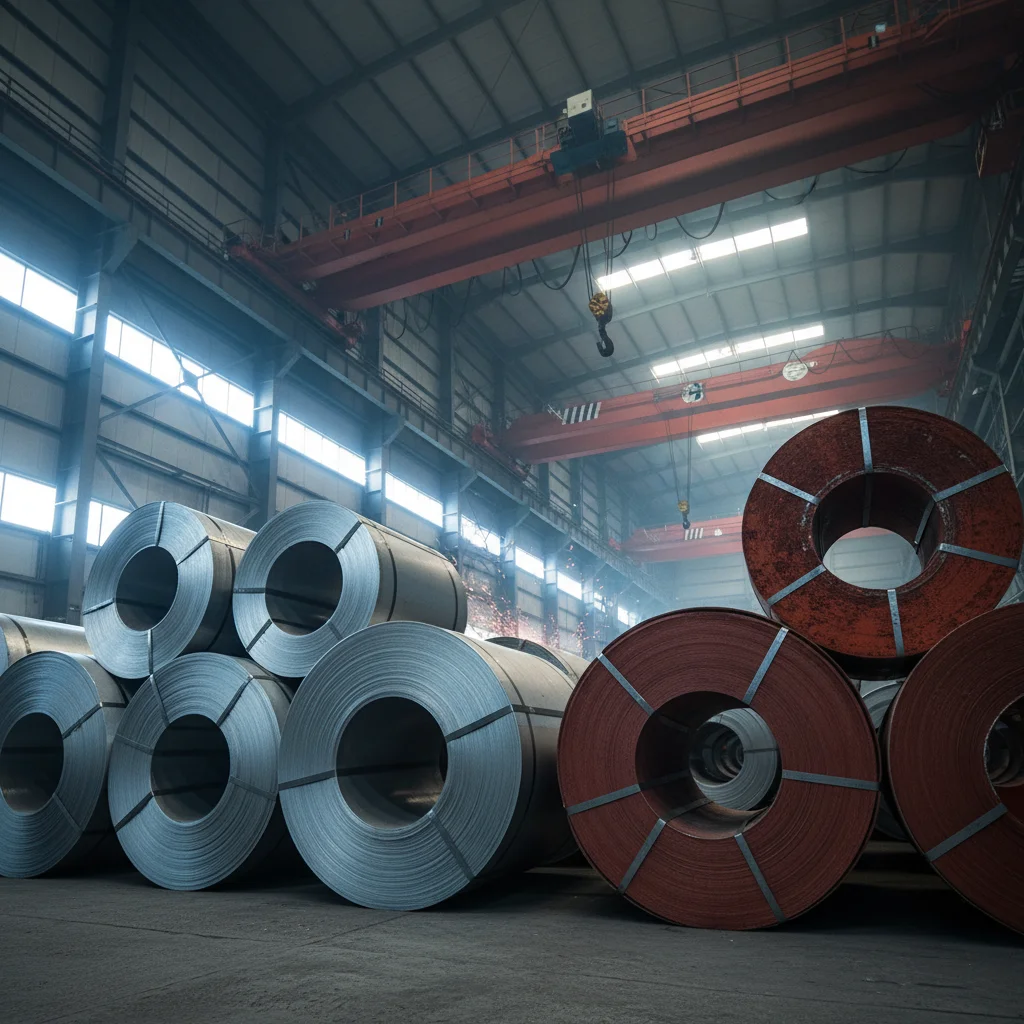
a516 steel, a cornerstone of modern infrastructure and manufacturing, is a high-strength, low-alloy steel renowned for its weldability, toughness, and cost-effectiveness. Its broad applicability spans various industries, making it a critical material in a globally interconnected world. Understanding its properties and applications is vital for engineers, designers, and procurement specialists alike.
The demand for a516 steel is intrinsically linked to global economic growth, particularly in sectors like construction, energy, and defense. According to the World Steel Association, steel demand continues to rise, driven by urbanization and infrastructure development in emerging economies. a516 steel plays a significant role in meeting this demand due to its balance of performance and affordability, making it a viable solution across a range of project budgets.
However, challenges remain in ensuring sustainable sourcing and minimizing the environmental impact of steel production. Innovations in manufacturing processes and a growing focus on recycled materials are crucial for the future of a516 steel and the industries it serves, addressing concerns about carbon emissions and resource depletion.
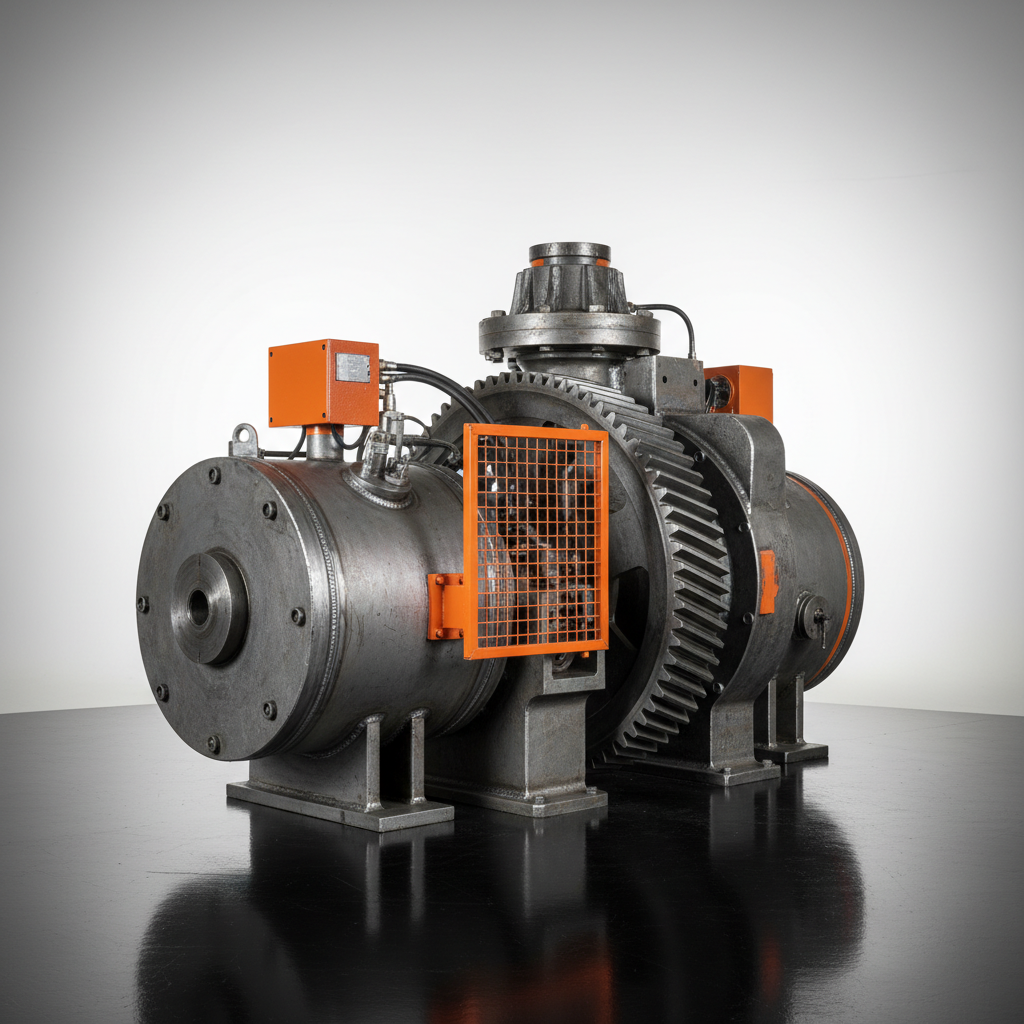
Defining a516 Steel and Its Significance
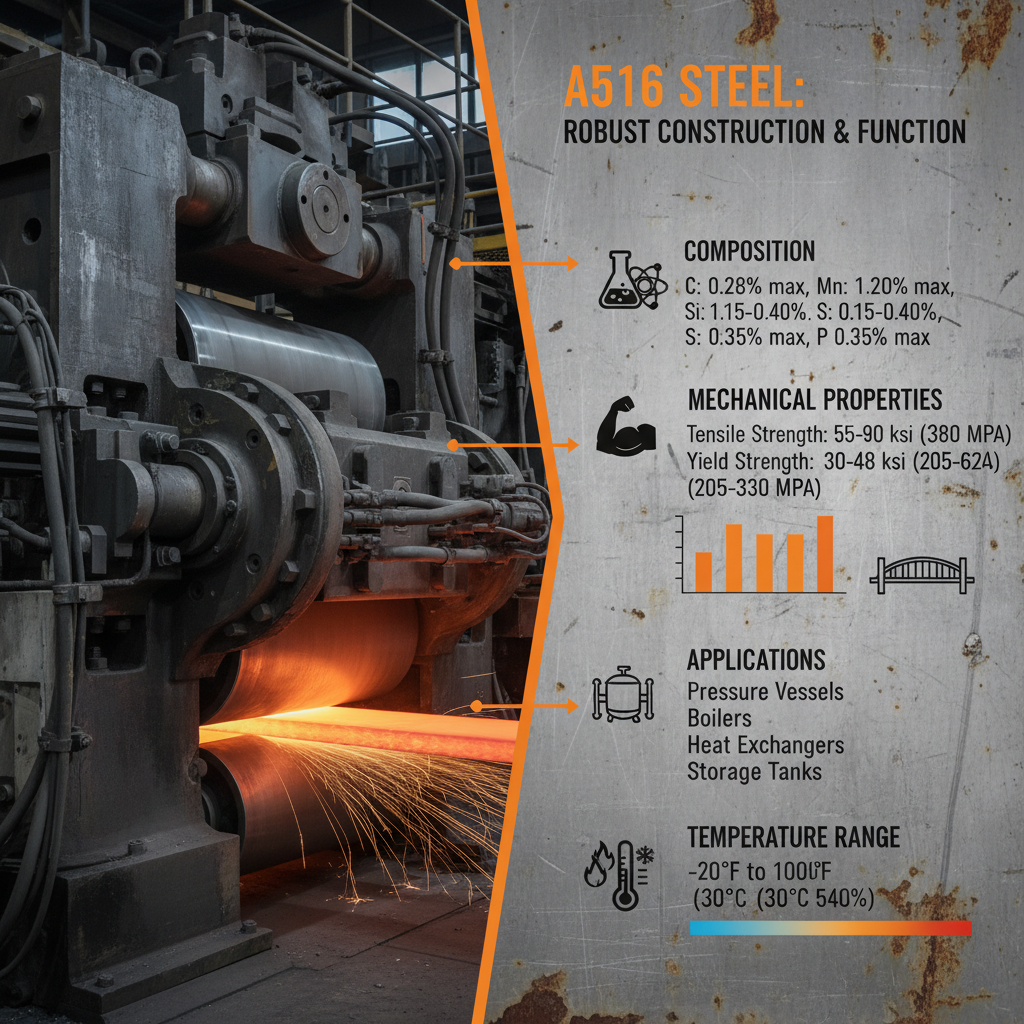
a516 steel is a carbon-manganese steel designed for welding applications in pressure vessels, boilers, and other structural components. It's categorized under ASTM A516, a standardized specification outlining its chemical composition and mechanical properties. The grade 70 variety is particularly prevalent, offering a minimum yield strength of 70,000 psi.
Its significance lies in its ability to provide a robust and reliable material solution for critical infrastructure. From power generation facilities to oil and gas pipelines, a516 steel ensures safety and longevity, often operating under high stress and extreme temperatures. Its widespread adoption showcases its crucial role in maintaining essential services globally.
Global Relevance and Industry Applications
The global demand for a516 steel mirrors the growth in infrastructure projects, particularly in developing nations. China, India, and Southeast Asian countries are major consumers, driven by rapid industrialization and urbanization. This demand isn't merely confined to construction; the energy sector – encompassing oil, gas, and renewable energy – relies heavily on a516 steel for fabrication of pressure vessels and structural supports.
Industries benefiting from a516 steel include power generation, oil and gas, chemical processing, shipbuilding, and water treatment. Its versatility extends to the manufacturing of wind turbine towers, boiler components, and even bridge structures. The steel’s ability to be readily welded and formed contributes to its broad acceptance across these diverse applications.
Furthermore, a516 steel is a key component in pressure vessel fabrication adhering to ASME standards, ensuring compliance with rigorous safety regulations across international markets. Its consistent quality and predictable performance make it a preferred material for projects requiring high levels of reliability and durability.
Understanding the Core Properties of a516 Steel
a516 steel possesses a unique combination of properties that make it ideal for demanding applications. Its key characteristics include high tensile strength, excellent weldability, good impact toughness (especially at low temperatures), and reasonable cost. The addition of manganese enhances its strength, while controlled carbon content ensures adequate ductility.
The chemical composition of a516 steel is meticulously controlled to meet specific ASTM standards. Typically, it comprises carbon, manganese, silicon, phosphorus, sulfur, and small amounts of other alloying elements. Variations in composition result in different grades (like Grade 55, 60, 65, and 70), each tailored to specific performance requirements. For example, higher manganese content generally increases yield strength.
Understanding these properties is essential for engineers designing structures and components. Selecting the appropriate grade of a516 steel ensures that the material can withstand the intended loads, temperatures, and environmental conditions, optimizing both performance and safety. Proper heat treatment can further enhance these properties.
Mechanical Properties and Performance Metrics
Evaluating the mechanical properties of a516 steel is crucial for ensuring its suitability for specific applications. Key metrics include yield strength, tensile strength, elongation, and impact toughness. Yield strength indicates the stress at which the material begins to deform permanently, while tensile strength represents the maximum stress it can withstand before fracturing.
The impact toughness, measured using Charpy V-notch testing, assesses the material's ability to absorb energy under sudden impact. This is particularly important for structures exposed to dynamic loads or low temperatures. Elongation measures the material’s ductility, reflecting its ability to stretch before breaking.
a516 Steel Grade Comparison
Diverse Applications of a516 Steel Worldwide
Across the globe, a516 steel plays a vital role in numerous infrastructure projects. In the United States, it's commonly used in the construction of pressure vessels for petrochemical plants and power generation facilities. Europe utilizes it extensively in shipbuilding and offshore platform construction.
Asia, with its rapid industrial growth, represents a significant market. a516 steel is integral to the construction of pipelines, storage tanks, and structural components in China, India, and Southeast Asia. Furthermore, in remote industrial zones like the Australian outback, its durability and weldability make it ideal for constructing mining infrastructure.
Advantages and Long-Term Value Proposition
The advantages of a516 steel extend beyond its mechanical properties. Its cost-effectiveness, particularly compared to higher-alloy steels, makes it a compelling choice for large-scale projects. Its excellent weldability minimizes fabrication time and reduces overall project costs. The relatively easy availability of a516 steel also contributes to its economic appeal.
From a long-term perspective, a516 steel offers significant value through its durability and longevity. Proper corrosion protection measures, such as painting or coating, can ensure decades of reliable service, reducing the need for frequent replacements and minimizing lifecycle costs. This contributes to a more sustainable approach to infrastructure development.
The reliability of a516 steel instills confidence in engineers and operators, contributing to safety and minimizing the risk of catastrophic failures. This peace of mind is a valuable asset, particularly in critical applications where human lives or environmental protection are at stake.
Future Trends and Innovations in a516 Steel
The future of a516 steel is intertwined with advancements in materials science and sustainable manufacturing practices. Research is ongoing to develop high-strength, low-alloy (HSLA) variants of a516 steel with enhanced corrosion resistance and improved weldability. These innovations aim to reduce material consumption and extend service life.
The integration of digital technologies, such as AI-powered predictive maintenance, is also transforming the way a516 steel structures are monitored and maintained. Sensors embedded in critical components can provide real-time data on stress levels, corrosion rates, and other key parameters, enabling proactive interventions and preventing failures.
Furthermore, there's a growing focus on utilizing recycled a516 steel, contributing to a circular economy and reducing the environmental impact of steel production. This aligns with global sustainability goals and addresses the increasing demand for environmentally responsible materials.
FAQS
The primary difference lies in their minimum yield strength. Grade 70 boasts a higher yield strength of 70,000 psi compared to Grade 55’s 55,000 psi. This means Grade 70 can handle higher loads and stresses. However, Grade 70 typically exhibits slightly lower ductility and impact toughness than Grade 55. The choice depends on the specific application requirements, balancing strength and toughness.
While a516 steel possesses good toughness, its performance can be affected by extremely low temperatures. Specifically, its notch toughness may decrease, increasing the risk of brittle fracture. For applications in consistently sub-zero environments, selecting a lower grade of a516 steel (like Grade 55) or utilizing impact-tested material is crucial. Alternatively, consider specialized low-temperature steels.
a516 steel is highly weldable using various processes, including shielded metal arc welding (SMAW), gas metal arc welding (GMAW), flux-cored arc welding (FCAW), and submerged arc welding (SAW). The selection depends on factors like joint configuration, material thickness, and production rate. Proper preheating and post-weld heat treatment are often recommended to enhance weld quality and minimize the risk of cracking.
a516 steel has limited corrosion resistance in harsh environments. It's susceptible to rusting, particularly in the presence of moisture and chlorides. Therefore, corrosion protection measures, such as painting, galvanizing, or applying protective coatings, are essential. Regular inspection and maintenance are also crucial to prevent corrosion-related failures.
a516 steel is generally more cost-effective than many higher-alloy steels, such as stainless steel or alloy steels. Its relatively low alloy content contributes to its affordability. However, the cost can fluctuate based on market conditions, steel grade, and regional availability. Considering the total lifecycle cost, including fabrication and maintenance, is important when evaluating different steel options.
The definitive source for a516 steel specifications is ASTM International. You can purchase the latest version of ASTM A516 from their website or through authorized distributors. This standard details the chemical composition, mechanical properties, welding requirements, and testing procedures for different grades of a516 steel. Referencing the standard is crucial for ensuring material compliance and quality control.
Conclusion
a516 steel remains a vital material in a wide spectrum of industries, offering a compelling combination of strength, weldability, and cost-effectiveness. Its global relevance is underscored by its consistent use in critical infrastructure, energy production, and various manufacturing processes. Understanding its core properties and applications is essential for engineers and professionals seeking reliable and durable material solutions.
Looking ahead, innovations in steel manufacturing and the integration of digital technologies will further enhance the performance and sustainability of a516 steel. Embracing recycled materials and implementing proactive maintenance strategies will contribute to a more circular economy and extend the lifespan of critical infrastructure. For more information and to explore our a516 steel product offerings, visit our website: www.baidysteel.com.