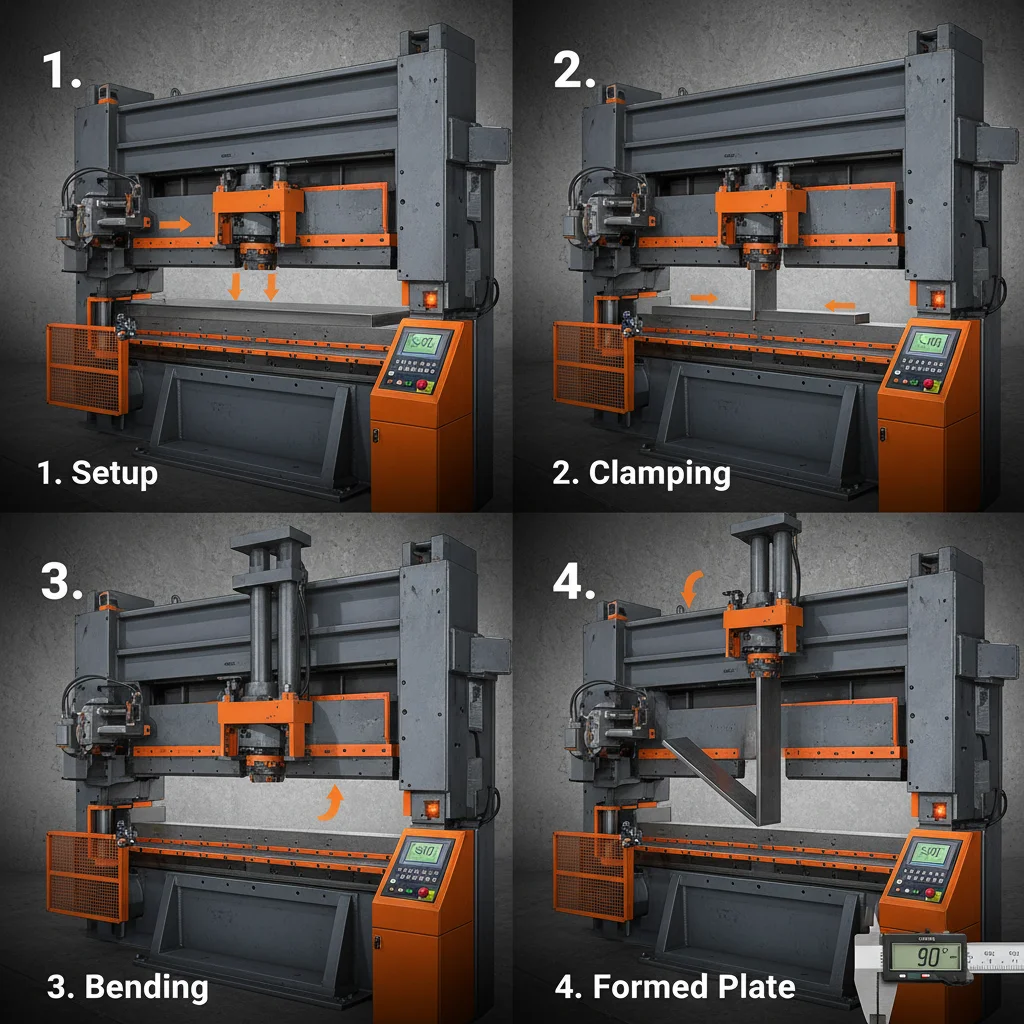
In the demanding landscape of modern heavy industry, the selection of structural materials determines the longevity and safety of critical infrastructure. High-strength structural steel, particularly in the form of square plate steel, has emerged as a vital component for engineers seeking to optimize load-bearing capacities while reducing overall material volume. By balancing mechanical strength with workable ductility, these materials enable the construction of more resilient and efficient urban and industrial frameworks globally.
The global demand for high-performance steel is driven by an unprecedented surge in infrastructure development, from high-rise metropolitan hubs to expansive bridge networks. The challenge for the industry lies in finding materials that offer high yield strength without compromising weldability or toughness. This is where advanced low-alloy steels, processed through precise hot-rolling techniques, provide a definitive solution for complex engineering challenges.
Whether utilized in the chassis of heavy-duty vehicles or the supports of marine vessels, square plate steel manufactured to standards like GB/T 1591 ensures that structural integrity is maintained under extreme stress. By focusing on the optimization of yield points and carbon content, manufacturers are now providing materials that significantly lower logistics costs and extend the operational lifespan of industrial assets.

The Fundamental Properties of Q345B Square Plate Steel
Q345B is a premium low-alloy high-strength structural steel that serves as a cornerstone for heavy-duty industrial applications. Characterized by a yield point of approximately 345MPa and a density of 7.85 g/cm³, this material is engineered to provide exceptional stability under extreme loads. Its composition, featuring a carbon content of less than 0.2%, ensures that the steel remains tough and resistant to fracturing even in demanding environments.
The versatility of this square plate steel is further enhanced by its ability to be produced in a vast range of thicknesses, from 0.1mm to 300mm. This allows for precision engineering in everything from thin-walled automotive components to massive structural plates for marine vessels, ensuring that every project is tailored to its specific stress requirements.
Engineering Advantages of Low-Alloy High-Strength Steel
One of the primary technical advantages of Q345B is its superior weldability. Due to the controlled low carbon content, the risk of cold cracking is significantly reduced, allowing for the creation of complex, multi-jointed structures without the need for extensive pre-heating or post-weld heat treatment. This efficiency translates directly into faster construction timelines for bridges and high-rise building frameworks.
Moreover, the high strength-to-weight ratio of this material enables weight optimization across a project. By utilizing a steel with a 345MPa yield point, engineers can specify thinner plates to support the same load as traditional carbon steel. This reduction in mass is particularly critical for vehicle chassis and car girders, where every kilogram saved improves fuel efficiency and performance.
Beyond strength, the material's toughness ensures that it can withstand dynamic loads and environmental stressors. Whether it is the pressure within a vessel or the vibrational stress on a bridge, the optimized balance of alloy elements prevents brittle failure, providing a safety margin that is essential for public infrastructure and high-risk industrial environments.
Precision Processing and Standard Compliance
To ensure global quality assurance, Q345B is produced in strict accordance with the GB/T 1591 standard. This rigorous certification process guarantees that every piece of square plate steel meets the exact tensile strength requirements, typically ranging between 470-630 MPa, providing a consistent baseline for engineering calculations and safety audits.
The manufacturing process utilizes advanced hot-rolling techniques, including the use of 3500mm medium-thick plate lines. This infrastructure allows for the production of square plate steel with extreme dimensional accuracy, ensuring that custom lengths (up to 12m) and widths (up to 3m) are delivered with minimal waste and maximum precision for the end user.
Furthermore, the availability of dedicated quenching and tempering lines allows for the optimization of hardness and toughness. This means that the square plate steel can be adjusted to meet specific quality grades—Q345A through Q345E—depending on the required impact toughness at lower temperatures, making it suitable for Arctic or high-altitude deployments.
Performance Metrics in Industrial Applications
Comparing high-strength low-alloy steel to ordinary carbon steel reveals a significant jump in operational efficiency. While ordinary steel provides a baseline of support, the optimized yield strength of Q345B increases the total load capacity of a structure, allowing for more ambitious architectural designs and heavier industrial payloads without increasing the footprint of the support system.
This performance gap is most evident when analyzing the total cost of ownership. The use of high-strength materials reduces the total amount of steel required, which in turn lowers shipping costs and installation time. The result is a streamlined construction process that maximizes the return on investment through reduced material waste and enhanced structural durability.
Industrial Performance Rating: Q345B vs Standard Steel
Global Use Cases for Structural Steel Plates
The application of Q345B square plate steel spans several critical industries. In marine shipbuilding, it is used for hull plating and internal supports where resistance to high pressure and structural rigidity are non-negotiable. Similarly, in the construction of pressure vessels, the material's ability to maintain integrity under extreme internal force ensures safety and operational reliability in chemical and energy plants.
In the automotive sector, this steel is indispensable for the production of transmission shafts and car girders. By replacing heavier, lower-grade steels, automotive manufacturers can produce chassis that are both safer—due to higher energy absorption during impacts—and more efficient. From the skyscrapers of Hebei to the bridges of Southeast Asia, this material serves as the unseen skeleton of modern civilization.
Long-Term Value and ROI Analysis
Investing in high-strength steel provides a logical and emotional sense of security. From a logical standpoint, the reduction in material volume leads to immediate savings in logistics and procurement. Because the steel is more durable and has a higher resistance to fatigue, the long-term maintenance costs are significantly lower than those associated with standard carbon steel, which may require more frequent replacements or reinforcements.
Emotionally, the use of certified, high-grade steel builds trust with stakeholders and the public. When a bridge or a high-rise building is constructed using Q345B, it represents a commitment to safety and innovation. This trust is a critical asset for construction firms and government agencies, as it minimizes the risk of structural failure and enhances the reputation of the project's engineering team.
The overall ROI is realized through a combination of faster construction speeds—thanks to superior weldability—and the extended operational life of the asset. By choosing a material that optimizes the balance between cost and performance, companies can achieve a higher efficiency rating while ensuring that their infrastructure remains viable for decades.
Future Trends in Steel Fabrication Technology
The future of square plate steel is being shaped by the drive toward "Green Steel" and digital transformation. Automation in the rolling process is allowing for even tighter tolerances, reducing waste further and enabling "just-in-time" delivery of custom-cut plates. This integration of AI-driven quality control ensures that every batch of Q345B is virtually identical in its mechanical properties.
Furthermore, there is a growing shift toward the Q355 standard, which is the updated version of the Q345 classification (GB/T 1591-2018). While the core properties remain similar, the Q355 standard reflects more modern testing requirements and stricter classification, ensuring that the steel is even better suited for the extreme demands of 21st-century architecture and aerospace-adjacent structures.
As sustainability becomes a priority, the industry is exploring low-carbon production methods to reduce the footprint of steel manufacturing. By combining high-strength properties with eco-friendly production, the next generation of structural plates will not only support the weight of our cities but also protect the environment for future generations.
Comparison of Q345B Performance Across Diverse Applications
| Application Sector | Primary Requirement | Q345B Performance Score | Key Impact |
|---|
| Bridge Construction | Dynamic Load Stability | 9.5 | Extended Lifespan |
| Marine Vessels | High Pressure Resistance | 9.0 | Hull Integrity |
| Automotive Chassis | Weight Optimization | 8.5 | Fuel Efficiency |
| Pressure Vessels | Weld Reliability | 9.8 | Explosion Prevention |
| High-Rise Frames | Vertical Compression | 9.2 | Reduced Column Size |
| Industrial Girders | Torsional Rigidity | 8.8 | Higher Load Capacity |
FAQS
The "Q" stands for "qu fu dian," the Chinese Pinyin for "Yield Point." This is critical because it indicates that the steel is classified by its minimum yield strength (345MPa), which is the most important metric for structural engineers to ensure a building or bridge can support its intended load without permanent deformation.
Generally, as the thickness of the material increases, the yield value of Q345B slightly decreases. This is a standard metallurgical phenomenon. For precision projects, engineers should always verify the specific yield data for their required thickness via the technical datasheet to ensure safety margins are maintained.
Q345B is widely utilized in heavy-duty sectors including marine shipbuilding, bridge construction, high-rise architectural frameworks, and the manufacture of pressure vessels. It is also a preferred choice for automotive structural components like transmission shafts and car girders due to its strength-to-weight ratio.
Q355 is the updated standard (GB/T 1591-2018) that replaces the older Q345 (GB/T 1591-2008). While their mechanical properties are very similar, Q355 incorporates updated testing protocols and classification requirements to align with modern global engineering standards, offering more precise quality assurance.
Yes, it is an excellent choice for automotive structures. Using Q345B allows manufacturers to reduce the overall weight of the vehicle by using thinner but stronger plates for the chassis and girders. This leads to improved fuel efficiency and lower emissions without sacrificing the safety of the passengers.
According to the GB/T 1591 standard, this material is available in five distinct quality grades: Q345A, Q345B, Q345C, Q345D, and Q345E. These grades primarily differ in their impact toughness and performance at various temperature ranges, allowing engineers to select the best grade for the local climate.
Conclusion
Q345B high-strength structural steel represents the ideal intersection of strength, weldability, and economic efficiency. By providing a consistent yield point of 345MPa and a versatile range of thicknesses, it empowers industries to build safer, lighter, and more durable structures—from the depths of marine vessels to the peaks of urban skyscrapers. Its adherence to strict GB/T 1591 standards ensures that global projects can rely on its mechanical integrity to reduce long-term maintenance and maximize structural ROI.
Looking forward, the transition toward Q355 standards and the integration of sustainable manufacturing will only enhance the value of this essential material. For engineers and procurement managers, prioritizing high-grade, certified steel is not just a technical choice, but a strategic investment in the longevity and safety of the built environment. To source premium structural steel tailored to your specific project needs, visit our website: www.baidysteel.com