Hit enter to search or ESC to close
5 March 2026
Rippled galvanized sheet metal is a versatile material widely used in construction, manufacturing, and various industrial applications. Its unique texture provides enhanced strength and aesthetic appeal. This article explores the properties, applications, benefits, and considerations when using rippled galvanized sheet metal. We’ll cover its corrosion resistance, structural advantages, and optimal uses for different projects. Understanding these facets allows informed decisions regarding material selection.
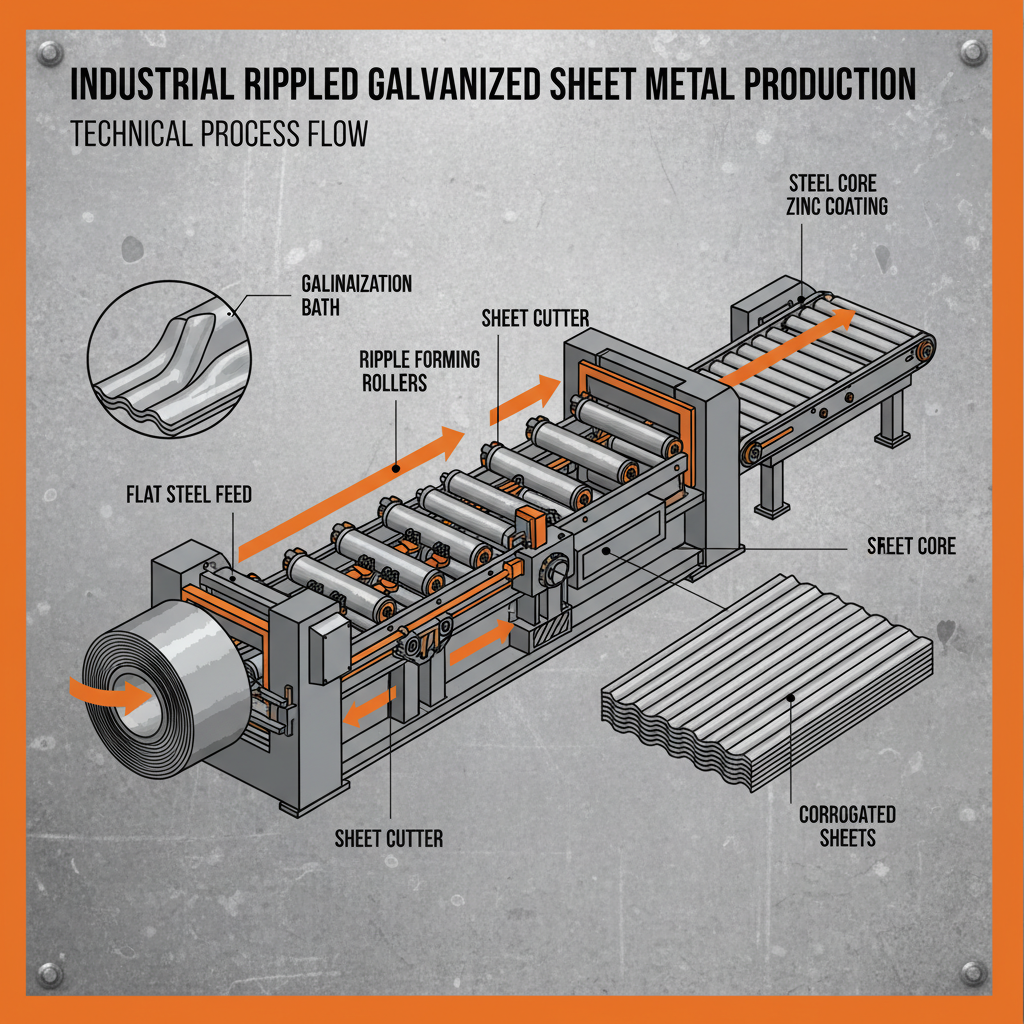
Galvanized sheet metal undergoes a process of coating steel with zinc, providing excellent corrosion resistance. The “rippled” pattern refers to the embossed waves or corrugations on the metal’s surface. These ripples significantly increase the sheet’s rigidity and load-bearing capacity without adding substantial weight. This makes it a cost-effective solution where structural strength is paramount. The zinc coating protects the underlying steel from rust and environmental damage, extending the material's lifespan. It is often a preferred choice over flat sheets, particularly in applications requiring durability and weather resistance.
Key Highlights: Increased rigidity, enhanced load-bearing capacity, excellent corrosion resistance due to zinc coating, and a cost-effective structural solution.
The applications for rippled galvanized sheet metal are diverse. In construction, it's frequently used for roofing, wall cladding, and siding. Its strength and weather resistance make it ideal for agricultural buildings, warehouses, and sheds. Manufacturing utilizes it for creating durable enclosures, ductwork, and automotive components. Furthermore, it finds use in decorative applications, such as feature walls and artistic installations. Its ability to be easily cut, formed, and welded contributes to its versatility. Baidysteel offers a range of rippled galvanized sheet metal options to suit various project needs.
Key Application Areas:
• Roofing and Wall Cladding
• Agricultural Buildings
• Industrial Warehouses
• Manufacturing Enclosures
While both rippled and flat galvanized sheet metal offer corrosion resistance, they differ significantly in structural performance. Rippled sheets provide greater rigidity and can span larger distances with less support. This reduces the need for extensive framing, leading to cost savings. Flat sheets are suitable for applications where aesthetics are prioritized and structural demands are lower. Choosing between the two depends heavily on the specific project requirements and load-bearing needs. Rippled sheets offer superior strength-to-weight ratio.
Several factors influence the selection of rippled galvanized sheet metal. Gauge (thickness) is critical, determining the sheet’s strength and durability. The ripple pattern’s height and spacing impact its rigidity. Zinc coating thickness (measured in weight per surface area) directly affects corrosion resistance. Baidysteel offers various gauges, patterns, and coating thicknesses to meet specific application requirements. Proper consideration of these factors ensures optimal performance and longevity.
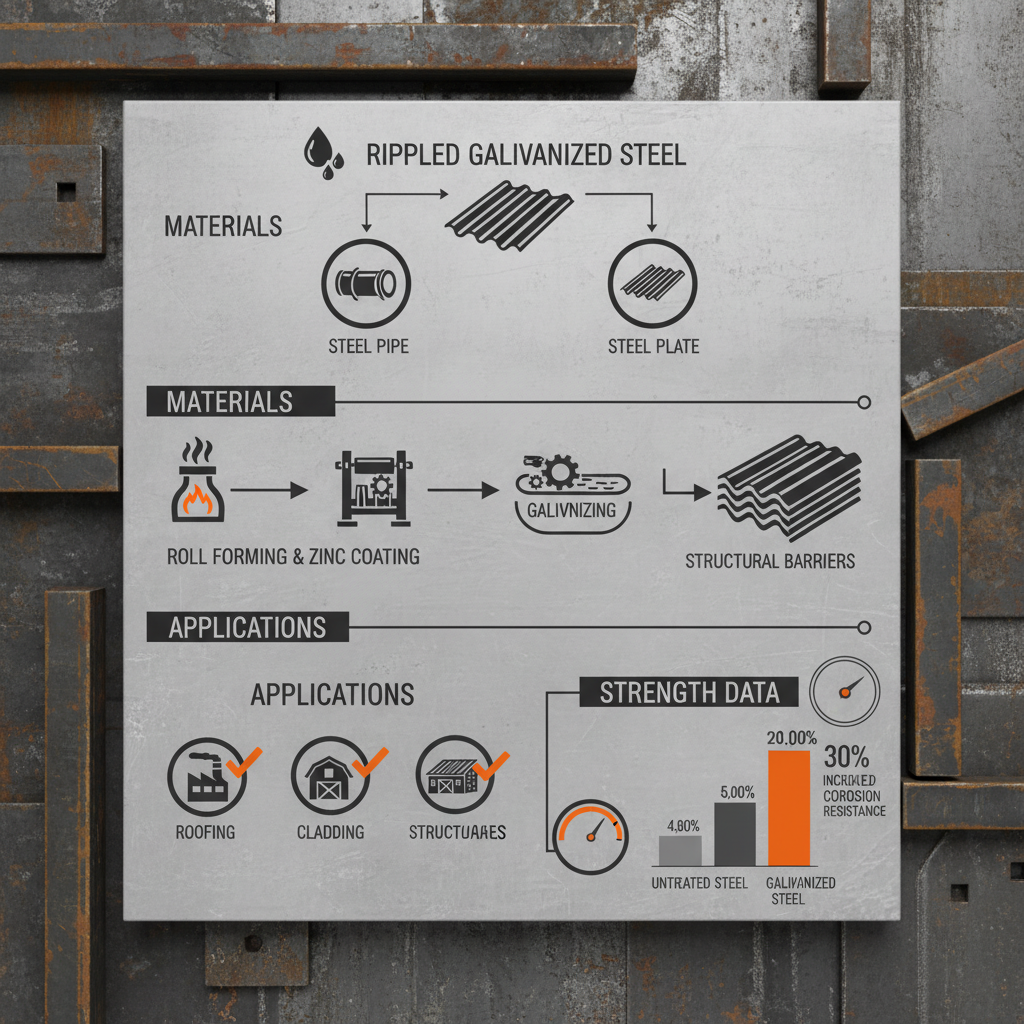
Understanding the typical product specifications is crucial for project planning. The following table provides a general overview of commonly available sizes and gauges. It's important to verify specific dimensions and tolerances with your supplier.
Rippled galvanized sheet metal provides a robust, cost-effective, and versatile solution for a wide array of applications. Its superior strength, corrosion resistance, and aesthetic appeal make it a popular choice across numerous industries. By carefully considering project requirements and selecting the appropriate specifications, you can leverage the full potential of this exceptional material. Contact Baidysteel today for a quote and expert advice.
The lifespan of rippled galvanized sheet metal largely depends on the environment it's exposed to. In relatively mild climates, it can last for 50 years or more. However, exposure to harsh conditions like saltwater, industrial pollutants, or constant moisture will shorten its lifespan. Regular inspections and maintenance, such as cleaning and re-coating if necessary, can significantly extend its durability. The zinc coating provides sacrificial protection, corroding before the underlying steel, ensuring long-term structural integrity.
Cutting rippled galvanized sheet metal requires specific safety precautions. Using shears or a nibbler is recommended for cleaner cuts and reduced burring. If using a power saw, employ a blade designed for metal cutting and wear appropriate personal protective equipment (PPE), including safety glasses, gloves, and a dust mask. The cutting process can generate zinc fumes, so ensure adequate ventilation. Deburring the edges after cutting is crucial to prevent injuries and ensure a smooth finish. It’s always best to consult the safety guidelines for your specific cutting tools.
While galvanized steel offers excellent corrosion resistance, coastal environments present a particularly challenging test. The salt air accelerates corrosion. For roofing in coastal areas, consider using a thicker zinc coating (G100 or higher) or selecting a specialized coating like Galvalume, which combines zinc and aluminum for enhanced protection. Regular inspections and maintenance are also vital to identify and address any signs of corrosion promptly.
Galvanized steel is generally considered environmentally friendly. Zinc is a naturally occurring element, and galvanized steel is fully recyclable. The zinc coating protects the underlying steel, extending its lifespan and reducing the need for frequent replacements, which minimizes waste. However, the galvanizing process does generate some waste products, which are typically managed and recycled according to environmental regulations. Choosing suppliers with sustainable practices can further minimize the environmental impact.