Steel sheet suppliers provide the critical raw materials required for modern infrastructure, automotive manufacturing, and shipbuilding. These suppliers specialize in producing a variety of steel grades, from standard carbon steel to high-strength alloy plates, ensuring that structural components meet rigorous safety and durability standards. Selecting the right supplier involves evaluating material certifications, production capacity, and the ability to provide consistent quality across large volumes.
In an industrial landscape where precision and material integrity are paramount, the choice of a supplier can significantly impact the lifecycle of a finished product. Issues such as inconsistent yield strength, poor surface finish, or delayed delivery schedules can lead to costly project overruns. Consequently, procurement teams prioritize suppliers who maintain strict quality control systems and possess a diverse product portfolio to meet varying technical specifications.
This guide examines the technical criteria for evaluating steel sheet suppliers, the specific properties of structural steels like Q345, and how to align material selection with project requirements. By understanding the balance between cost, performance, and compliance, businesses can establish stable supply chains that support long-term operational efficiency and structural reliability.

1Understanding the Role of Steel Sheet Suppliers

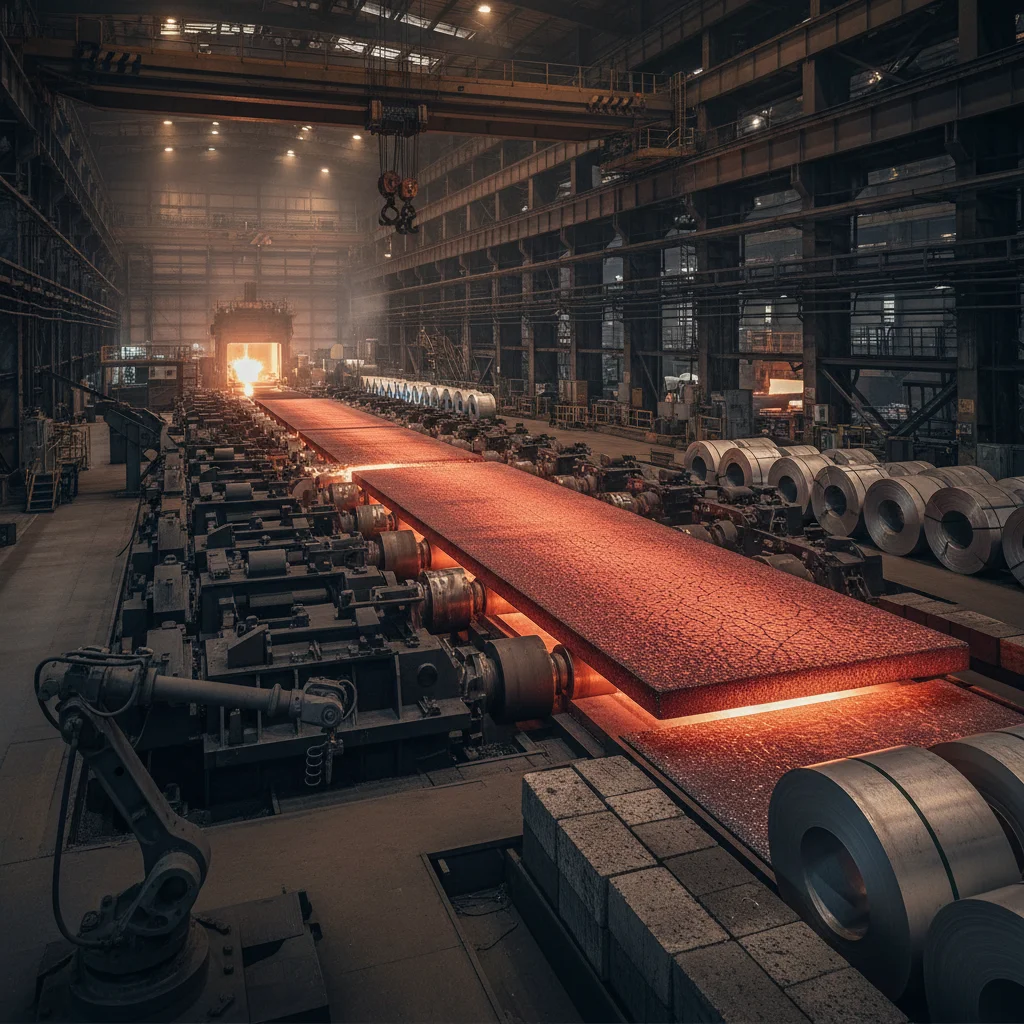
Steel sheet suppliers act as the primary link between the smelting process and the end-user manufacturer. They are responsible for rolling, cutting, and finishing steel plates to precise dimensions. For instance, a supplier might offer hot-rolled, cold-rolled, or galvanized sheets depending on the environmental exposure the final product will face. The ability to maintain a consistent gauge across thousands of tons is what differentiates a tier-one supplier from smaller operations.
Reliability in the supply chain is often measured by the supplier's production capacity and their logistical network. Large-scale suppliers often operate multiple production lines, including medium-thick plate lines and heat treatment facilities, allowing them to handle specialized requests like quenching and tempering for high-strength applications.
Furthermore, these suppliers provide the necessary datasheets that define the chemical composition and mechanical properties of the steel. This documentation is essential for engineers to perform stress calculations and ensure the safety of bridges, pressure vessels, and automotive chassis.
2Technical Analysis of Structural Steel Grades
Structural steel is categorized by its carbon content and alloying elements. A prominent example is Q345, a low-alloy high-strength structural steel based on GB standards. The "Q" denotes the yield point, and "345" represents a yield strength of approximately 345 MPa. This material is prized for its balance of strength, weldability, and toughness, making it ideal for heavy-duty construction.
The mechanical performance of such steel is heavily dependent on the thickness of the material; as thickness increases, the yield value generally decreases. This is a critical factor for engineers designing thick-walled pressure vessels or large ship hulls, as they must account for this variance to avoid structural failure.
Beyond carbon steel, suppliers also provide stainless steel and galvanized sheets. Galvanization adds a zinc layer to prevent oxidation, which is vital for automotive parts and outdoor signage. The choice between a hot-rolled plate and a cold-rolled sheet depends on whether the priority is structural mass or a smooth, precise surface finish.
3Industrial Applications and Use Cases
The versatility of steel sheets allows them to be utilized across diverse sectors. In the automotive industry, high-strength steel is used for chassis parts and girders to reduce overall vehicle weight without compromising passenger safety. In bridge construction, structural plates are used to create beams that can withstand massive dynamic loads and environmental stress over decades.
Shipbuilding requires specialized vessel steel that can resist the corrosive nature of saltwater and the immense pressure of deep-sea environments. These plates must be meticulously rolled and welded, requiring a supplier that can provide high-grade structural steel with excellent weldability and ductility.
Additionally, the construction of pressure vessels and boilers demands steel with precise thermal expansion coefficients and high tensile strength. Using materials like Q345 ensures that these vessels can operate under high pressure without the risk of rupture, provided the material grade is matched to the operating temperature.
4Performance Metrics and Quality Indicators
Evaluating a supplier requires a deep dive into performance metrics. Key indicators include the tensile strength range—for instance, Q345 typically falls between 470-630 MPa—and the material density, usually around 7.85 g/cm³. These numbers are not just theoretical; they dictate how much load a beam can carry before permanent deformation occurs.
Another critical metric is the consistency of the thickness. In precision engineering, a deviation of even a few millimeters in a 300mm plate can lead to assembly misalignment. Quality suppliers utilize automated gauging systems to ensure that the product meets the specified tolerances of AISI, ASTM, or DIN standards.
steel sheet suppliers Performance Metrics
Finally, surface quality and the absence of laminations or cracks are assessed. For automotive plates, a high-quality surface finish reduces the need for extensive grinding and painting, thereby lowering the total production cost for the manufacturer.
5Procurement Strategies for Industrial Steel
Procuring steel at scale requires a strategic approach to mitigate price volatility and ensure quality. Buyers should focus on suppliers who offer a "one-stop" service, combining raw material supply with processing capabilities such as precision cutting and heat treatment. This reduces the number of intermediaries and lowers the risk of damage during transport.
It is also essential to verify the supplier's production capacity. A company with an annual capacity of 10 million tons, for example, is more likely to maintain stable lead times during market peaks than a smaller mill. Assessing the available machinery—such as the number of medium-thick plate lines—provides a clear picture of their capability.
Lastly, the procurement process must include a rigorous sample testing phase. Before ordering thousands of tons, a trial batch should be tested for chemistry and mechanical properties to ensure it aligns with the project's technical requirements and international standards.
6Market Trends and Material Innovation
The steel industry is shifting toward "green steel" and higher-strength, lower-weight alloys. This evolution is driven by the need for sustainability in construction and energy efficiency in transportation. Innovation in the rolling process is allowing for thinner sheets that possess the same structural integrity as thicker, traditional plates.
Automation in quality control, including the use of AI-driven surface inspection, is becoming a standard for top-tier suppliers. This minimizes human error and ensures that every sheet leaving the factory is free of defects, which is particularly crucial for aerospace and high-precision automotive components.
Furthermore, the integration of digital supply chains allows buyers to track their orders in real-time, from the smelting stage to the delivery port. This transparency helps project managers plan their construction schedules more accurately and reduce inventory overhead.
7Comparing Steel Plate Solutions
Selecting between different steel types depends on the specific environmental and structural demands of the project. While carbon steel is cost-effective for general construction, stainless steel is mandatory for chemical processing plants where corrosion resistance is the primary concern.
For heavy structural components, the choice often falls between different grades of alloy steel. High-strength plates are preferred for reducing the dead weight of a structure, whereas standard structural plates are used where ductility and ease of forming are more important.
| Material Type | Primary Strength | Best Use Case | Main Limitation |
|---|---|---|---|
| Carbon Steel (Q345) | High Yield Strength | Bridges & Buildings | Oxidation Risk |
| Galvanized Steel | Corrosion Resistance | Automotive Panels | Lower Heat Tolerance |
| Stainless Steel | Chemical Stability | Medical/Food Equip. | High Material Cost |
| Alloy Steel | Extreme Durability | Pressure Vessels | Complex Welding |
| Weathering Steel | Atmospheric Protection | Outdoor Architecture | Slow Initial Patina |
| Cold Rolled Sheet | Surface Precision | Appliances/Electronics | Lower Structural Mass |
Ultimately, the most efficient procurement strategy is to match the material properties to the application. Over-specifying a material (e.g., using stainless steel where carbon steel suffices) leads to unnecessary costs, while under-specifying can lead to catastrophic structural failure.
Frequently Asked Questions
Conclusion
Selecting the right steel sheet suppliers is a strategic decision that balances technical specifications, quality assurance, and supply chain reliability. From the high-strength capabilities of Q345 structural steel to the corrosion resistance of galvanized sheets, the material chosen directly determines the longevity and safety of the final infrastructure or product. By focusing on certified performance metrics and verifying production capacities, procurement teams can avoid costly delays and structural risks.
For companies seeking reliable materials that meet international standards, evaluating the comprehensive service offerings—from rolling to heat treatment—is key. Those interested in exploring specific steel specifications and procurement options can find detailed product information and solutions at www.baidysteel.com.