The global automotive industry relies heavily on the precision and reliability of its material sources, where the role of high-quality metal fabrication is paramount. Selecting the right partners among automotive sheet metal suppliers can determine the overall structural integrity, safety, and longevity of a vehicle's chassis and body components. With the increasing demand for lightweight yet strong materials, the integration of advanced stainless steel and high-strength alloys has become a critical competitive advantage.
From a technical perspective, the transition toward electric vehicles (EVs) and autonomous driving has shifted the requirements for sheet metal. Modern manufacturers now demand tighter tolerances, superior corrosion resistance, and specialized surface finishes to accommodate complex aerodynamic designs and battery housing protections. This evolution places a significant burden on the supply chain to provide materials that meet stringent international standards like ASTM, JIS, and EN.
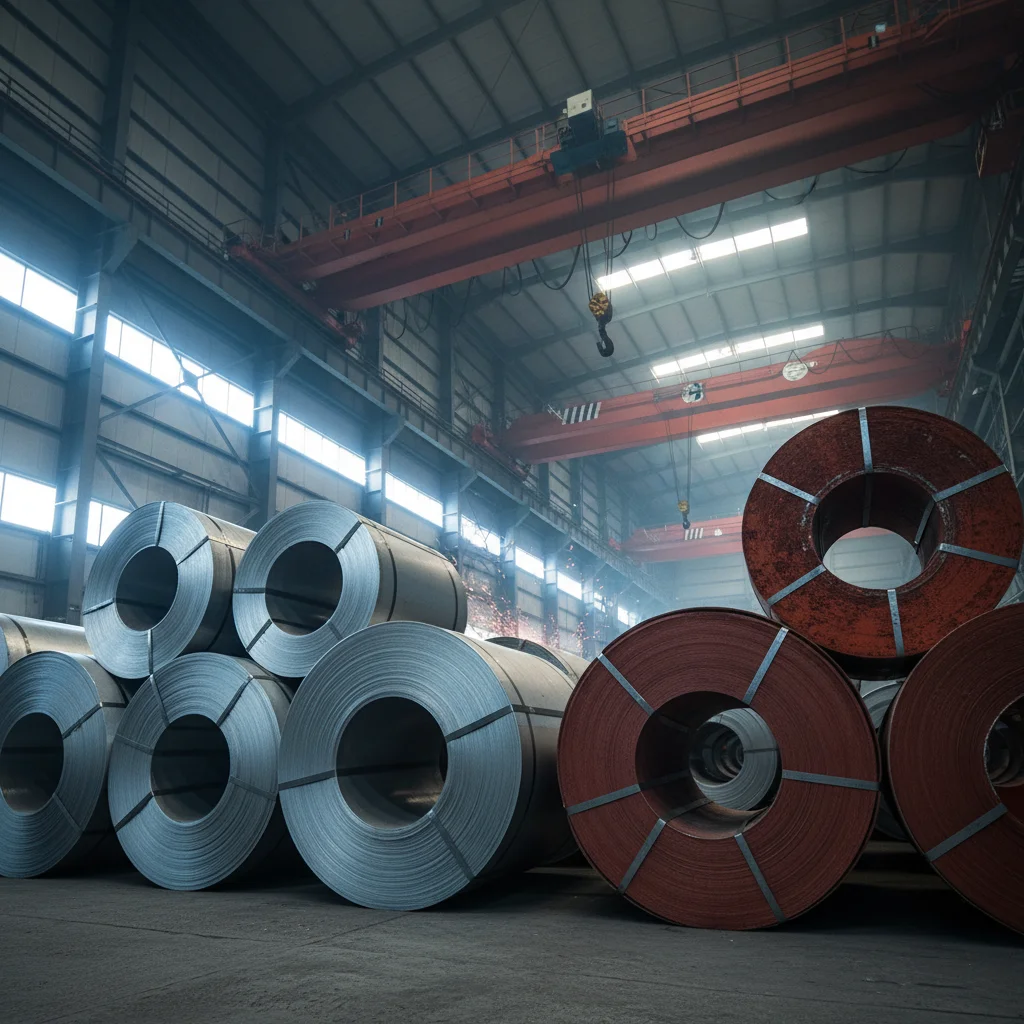
For procurement managers and engineers, identifying dependable automotive sheet metal suppliers is not merely about sourcing raw materials but about finding a partner capable of integrated fabrication services. By combining premium cold and hot rolled stainless steel with precision CNC machining and laser cutting, manufacturers can drastically reduce assembly time and improve the total cost of ownership for the end-user.

The Role of Material Grade in Automotive Engineering
In the realm of automotive construction, the choice of steel grade is the foundation of safety and performance. Premium automotive sheet metal suppliers provide a diverse range of grades, such as 304, 316L, and 430, each offering a specific balance of tensile strength and chemical stability. For instance, the 300 series is frequently utilized in areas exposed to harsh environmental conditions due to its exceptional corrosion resistance, while the 400 series offers a cost-effective solution for internal structural components.
The application of these grades extends beyond basic body panels to complex automotive structures. By leveraging materials that meet ASTM and JIS standards, engineers can ensure that the vehicle's structural frame can withstand high-impact stress while remaining lightweight. This precision in material selection prevents premature fatigue and ensures that the vehicle remains safe throughout its operational lifespan.
Core Technical Requirements for Vehicle Sheet Metal
Technical precision is the hallmark of quality when dealing with automotive sheet metal. A critical requirement is the thickness range, typically spanning from 0.3mm to 6mm, which allows for versatility in both lightweight decorative trim and heavy-duty structural supports. The ability to maintain a strict ±1% tolerance is essential, as even a minor deviation can lead to misalignment during the robotic assembly process, increasing waste and production costs.
Surface finish also plays a pivotal role in both aesthetics and functionality. While a Mirror or BA finish may be reserved for high-end interior accents, the industrial NO.1 finish is often preferred for heat exchangers and under-the-hood components due to its durability and ability to bond with coatings. The versatility of these finishes ensures that every part of the vehicle, from the exterior shell to the internal piping, is optimized for its specific environment.
Furthermore, the processing technique—whether cold rolled or hot rolled—dictates the mechanical properties of the final part. Cold rolling provides a smoother finish and higher strength, making it ideal for precision-engineered panels, whereas hot rolling is suited for larger, more robust structural components. Automotive sheet metal suppliers must master both techniques to provide a comprehensive material portfolio that supports the entire vehicle build.
Precision Fabrication and Customization Services
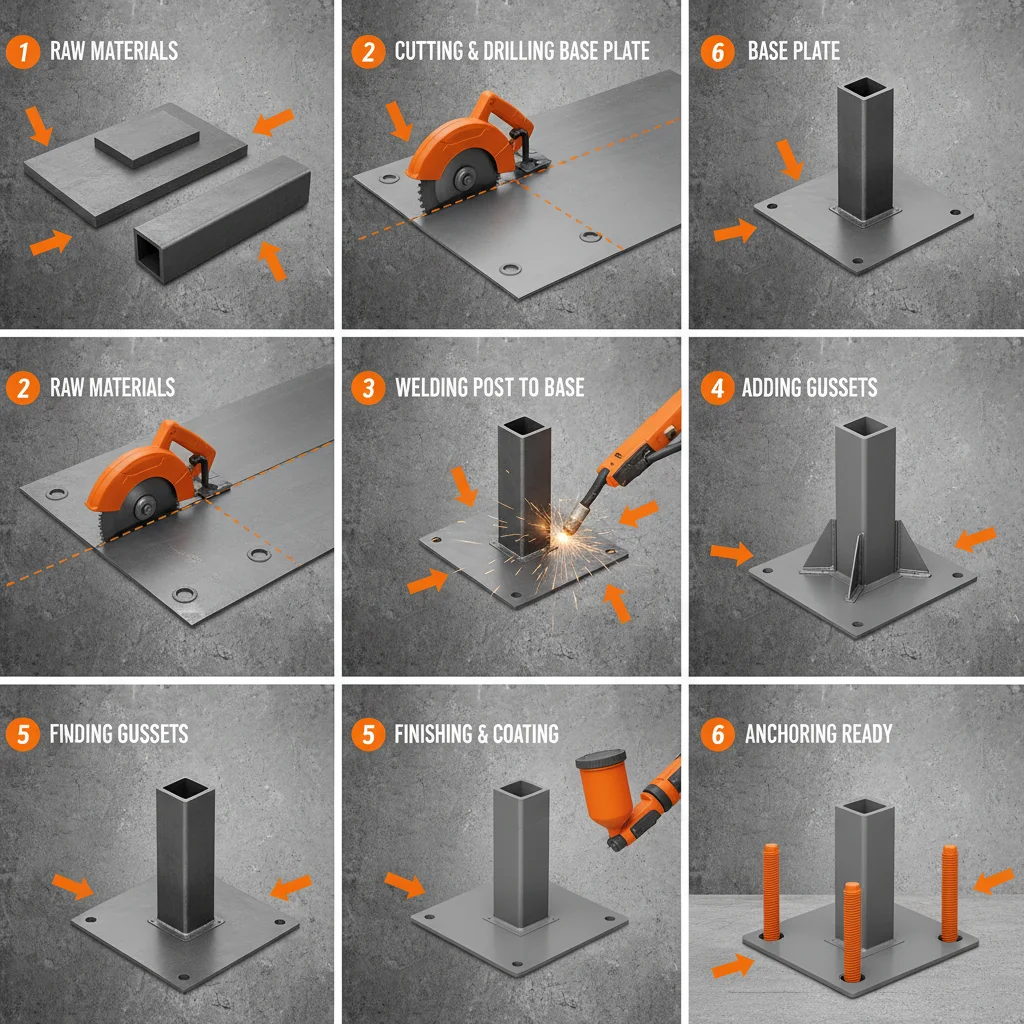
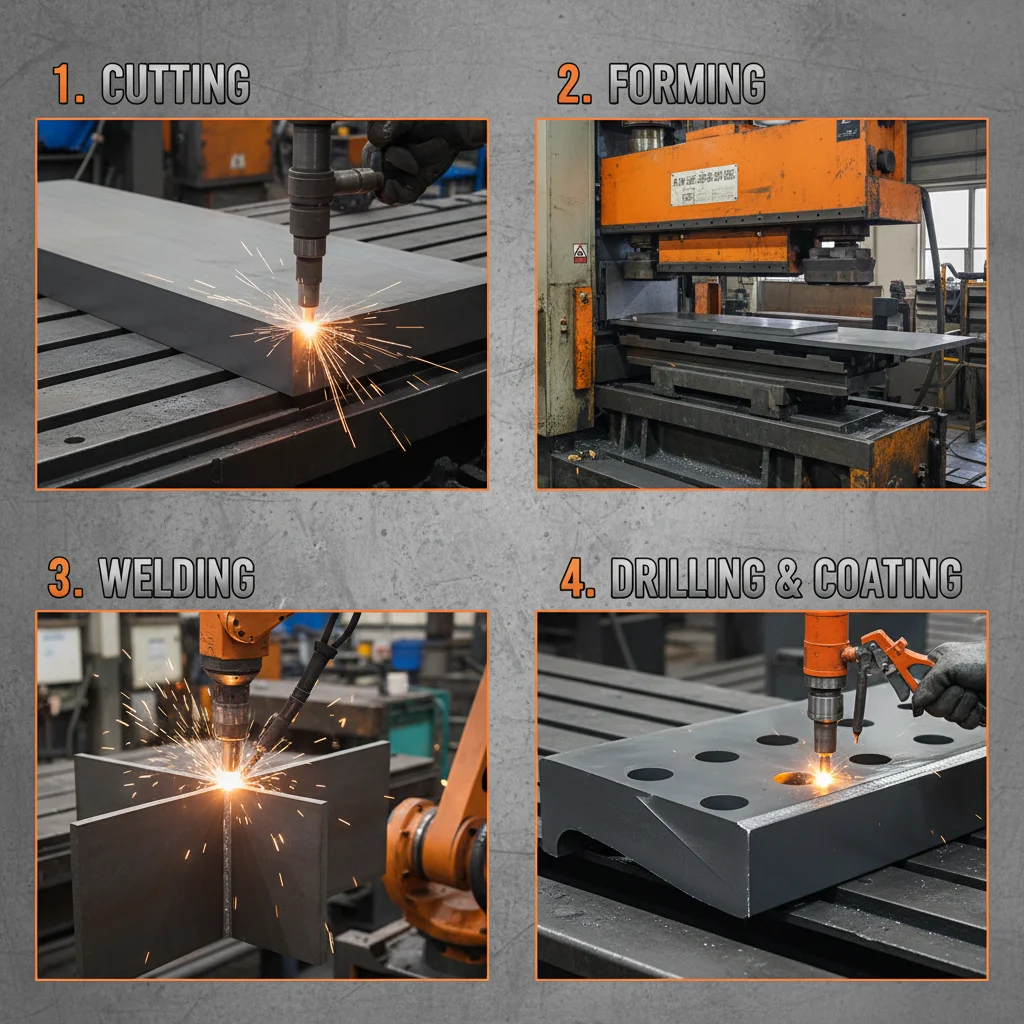
To bridge the gap between raw material and a finished component, advanced fabrication is required. Leading automotive sheet metal suppliers do not simply sell coils; they provide integrated services including CNC machining, laser cutting, and precision bending. This "ready-to-use" approach allows automotive manufacturers to bypass multiple intermediaries, reducing the risk of damage during transit and shortening the overall lead time from design to assembly.
Customization is where technical expertise meets commercial value. For complex automotive structures, processes such as punching and welding are utilized to create intricate geometries that provide maximum rigidity with minimum weight. When partnering with experienced automotive sheet metal suppliers, companies can request specific customized widths beyond the standard 1000mm or 1500mm, ensuring that material waste is minimized through optimized nesting patterns.
The integration of decoiling and milling services further enhances the flexibility of the supply chain. By providing components that are already cut to the exact technical specifications, automotive sheet metal suppliers enable a leaner manufacturing process. This synergy between material science and mechanical fabrication ensures that high-strength steel is utilized to its full potential, enhancing the safety ratings of the final vehicle.
Comparative Analysis of Stainless Steel Performance
When evaluating the return on investment for automotive materials, the long-term durability of stainless steel far outweighs the initial cost of standard carbon steel. The self-protective nature of high-grade alloys reduces the frequency of maintenance and the need for expensive anti-corrosion coatings. For vehicles operating in coastal or industrial environments, the lifespan of components sourced from premium automotive sheet metal suppliers is significantly extended.
The following analysis compares standard industrial steel against premium stainless steel coils in the context of automotive longevity and processing flexibility. While standard plates offer basic utility, premium coils provide the high-end BA finishes and CNC support necessary for modern, luxury, or high-performance vehicle architectures.
Performance Ratings of Automotive Sheet Metal Suppliers' Materials
Global Logistics and Quality Assurance Standards
Reliability in the automotive supply chain depends on more than just the quality of the steel; it requires a robust logistics framework. Leading automotive sheet metal suppliers employ professional sea-worthy packing, utilizing moisture-proof wrapping and reinforced steel strapping to prevent oxidation during long-haul transit. This ensures that when the material arrives at the factory, it is ready for immediate processing without the need for costly surface remediation.
Furthermore, a rigorous quality control system is implemented before any shipment leaves the facility. This includes dimensional audits to ensure the ±1% tolerance is maintained and surface inspections to verify the consistency of BA, 2B, or Mirror finishes. By adhering to FOB, CFR, and CIF terms, these suppliers provide seamless international delivery, allowing automotive OEMs to maintain just-in-time (JIT) inventory levels and reduce warehousing costs.
Sustaining Value through Corrosion Resistance
Corrosion is the primary enemy of automotive structural integrity. By utilizing the 300 and 400 series stainless steels, automotive sheet metal suppliers help manufacturers create vehicles that are naturally resistant to road salts, humidity, and chemical exposure. This inherent durability not only enhances the safety of the passengers by preserving the strength of the chassis but also significantly increases the resale value of the vehicle over time.
The use of Grade 316L, in particular, provides superior resistance to chlorides, making it the ideal choice for luxury vehicles or specialized transport used in coastal regions. When these materials are combined with precision surface finishes, the result is a component that requires minimal maintenance while providing a lifetime of service. This transition from "disposable" parts to "lifetime" materials is a key driver in sustainable automotive design.
Beyond the physical properties, the economic value is realized through the reduction of warranty claims related to rust and structural failure. When a manufacturer partners with a supplier that guarantees ASTM and EN compliance, they are investing in a risk-mitigation strategy. High-grade stainless steel ensures that the vehicle's "skeleton" remains intact, reflecting a commitment to quality and engineering excellence.
Future Trends in Automotive Structural Materials
The future of automotive sheet metal is moving toward a hybrid approach, combining traditional high-strength steel with ultra-lightweight alloys and composite integration. We are seeing a rise in the demand for "smart" materials that can offer higher energy absorption during collisions while reducing overall vehicle mass to extend the range of electric batteries. Automotive sheet metal suppliers are responding by refining cold-rolling processes to produce thinner, yet stronger, sheets.
Digital transformation is also reshaping the industry. The integration of real-time inventory management and automated quotation hubs allows for a more agile response to market shifts. Future procurement will likely involve AI-driven material selection, where the optimal steel grade is chosen based on a digital twin of the vehicle's stress points, further optimizing the use of premium alloys.
Sustainability is the final pillar of future innovation. The shift toward recyclable stainless steel and the reduction of carbon footprints in the smelting process are becoming mandatory requirements. As global policies tighten around environmental impact, the ability of automotive sheet metal suppliers to provide certified, eco-friendly materials will be the deciding factor in long-term partnership viability.
Comparative Analysis of Automotive Steel Material Specifications
| Material Grade | Primary Automotive Use | Corrosion Resistance | Strength Rating |
|---|
| Stainless 304 | Exterior Trim & Panels | High | 8/10 |
| Stainless 316L | Chassis (Coastal/Marine) | Exceptional | 9/10 |
| Stainless 430 | Internal Brackets | Medium | 7/10 |
| Cold Rolled SS | Precision Body Parts | High | 9/10 |
| Hot Rolled SS | Heavy Structural Frames | Medium-High | 10/10 |
| High-Strength Plate | Crash-Zone Reinforcement | Medium | 10/10 |
FAQS
For high-strength automotive structures, we recommend Grade 304 or 316L for their balance of mechanical strength and corrosion resistance. If the component is for an interior structural part where cost is a factor, Grade 430 is a viable alternative. The choice depends on whether the part is exposed to external road elements or remains within the vehicle's protected interior.
Yes, professional suppliers offer integrated fabrication services including CNC machining, laser cutting, punching, and bending. This allows them to deliver ready-to-use components that meet specific technical blueprints, significantly reducing the manufacturer's assembly time and ensuring that precise tolerances of ±1% are maintained across all parts.
BA (Bright Annealed) finish provides a smooth, reflective surface that is highly consistent, making it ideal for precision components and high-end trim. Mirror finish is even more reflective, often used for decorative accents and signage. For purely industrial automotive parts, a 2B or NO.1 finish is typically preferred for its durability and better paint adhesion.
We utilize standard sea-worthy packing, which includes moisture-proof wrapping and reinforced steel strapping. This prevents the coils and plates from shifting during transit and protects the surface finishes from oxidation or salt-air corrosion, ensuring the material arrives in pristine condition for production.
Absolutely. While we provide standard widths of 1000mm, 1219mm, and 1500mm, we offer customized decoiling and cutting services. This ensures that the steel is delivered in the exact dimensions required for your specific chassis design, reducing material waste and optimizing the fabrication process.
Depending on the stock availability and the complexity of the fabrication services required (such as CNC machining or special surface finishes), delivery lead times typically range from 8 to 21 days. We optimize our production cycles to ensure your supply chain remains uninterrupted.
Conclusion
Selecting the right automotive sheet metal suppliers is a strategic decision that impacts every aspect of vehicle production, from the initial structural integrity to the long-term satisfaction of the end consumer. By prioritizing high-grade stainless steel coils—such as the 300 and 400 series—and leveraging precision fabrication services like CNC machining and laser cutting, manufacturers can achieve an optimal balance of safety, weight, and durability. The commitment to strict international standards (ASTM, JIS, EN) and a ±1% tolerance ensures that the final product is not only aesthetically superior but mechanically sound.
As the industry pivots toward electric mobility and sustainable manufacturing, the importance of high-performance, corrosion-resistant materials will only increase. We encourage automotive engineers and procurement specialists to look beyond the initial price point and evaluate the total cost of ownership provided by premium materials. Investing in superior steel today prevents the failures of tomorrow. To explore our full range of automotive-grade materials and custom fabrication options, visit our website: www.baidysteel.com.