Mild Steel Plate Price: Why It Matters in Today’s Global Industry
Almost everywhere you look in the industrial world—construction sites, shipyards, automotive factories—you find mild steel plates holding things together. But have you ever paused to wonder what governs the mild steel plate price and why it fluctuates? Understanding this isn’t just a bureaucratic exercise in supply chain management; it impacts infrastructure development, economic growth, and humanitarian projects worldwide.
In a nutshell, the cost of mild steel plates directly affects project budgets, timelines, and sometimes even the feasibility of ambitious ventures. With steel being one of the most recycled materials globally, it’s no surprise that both environmental sustainability and market dynamics play into the final price tag.
The Global Context: Mild Steel Plate Price on the World Stage
The global steel industry was valued at roughly $1.1 trillion in 2023 according to the World Steel Association, underscoring its massive footprint. Mild steel plates form a core subset of this market, used extensively due to their versatility and cost-effectiveness. Yet, challenges persist—tariffs, supply chain disruptions (like those seen during COVID-19), and rising raw material costs keep prices volatile.
For example, the International Trade Centre reported that emerging economies in Asia and Africa are among the fastest-growing consumers of mild steel plates, partly due to accelerated urbanization and infrastructure investments. However, these gains can be undercut if the price spikes unexpectedly, delaying construction and increasing financing costs.
Oddly enough, despite the critical role mild steel plates play, many businesses and organizations still struggle to accurately forecast their cost, sometimes leading to supply shortages or budget overruns.
Quick takeaway: Mild steel plate price isn't just a number; it reflects complex global factors including demand, raw material availability, and geopolitical risks.
What Does 'Mild Steel Plate Price' Actually Mean?
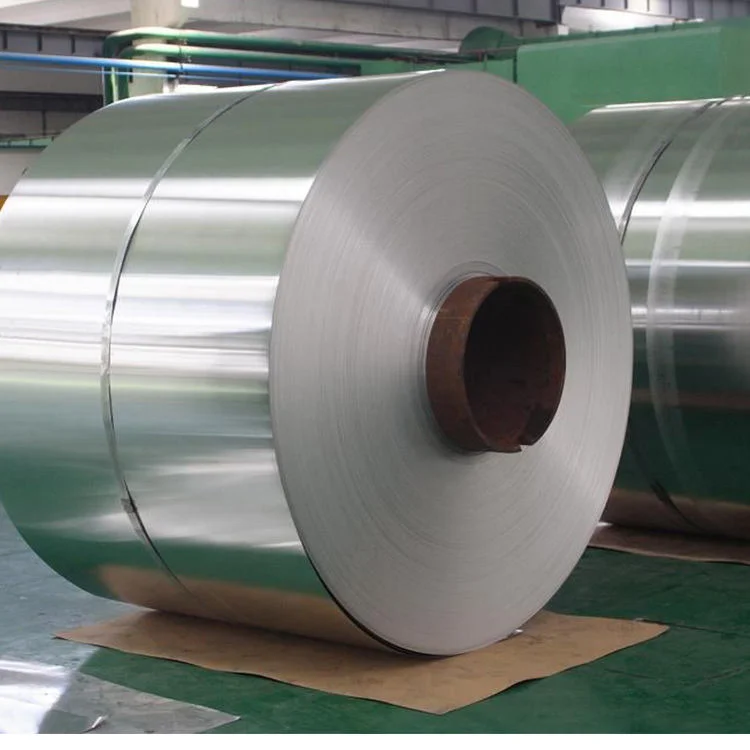
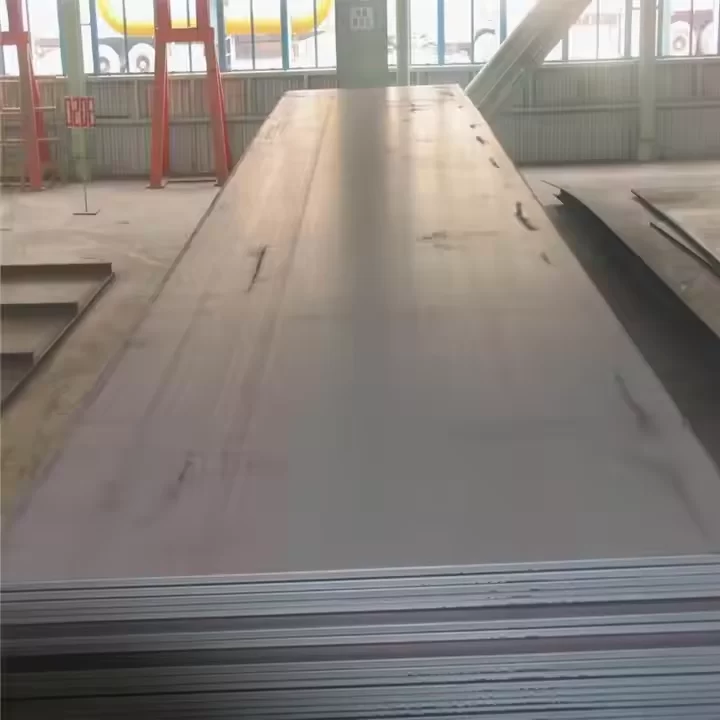
Simply put, the mild steel plate price is the cost per unit (often per ton or square meter) for purchasing these steel plates. “Mild steel” refers to a low carbon steel variant characterized by good weldability and ductility but moderate strength. The pricing depends on quality, thickness, treatment, and supplier.
Mild steel plates are the go-to in industries ranging from shipbuilding to consumer appliances, and even humanitarian housing projects. Their affordability and ease of fabrication make them preferred where cost constraints meet demanding specs.
Key Factors Influencing Mild Steel Plate Price
1. Raw Material Costs
One big driver is the price of iron ore and coal—the primary ingredients in steelmaking. When mining slows or transport costs rise, steel prices inevitably nudge upward.
2. Manufacturing Process & Quality
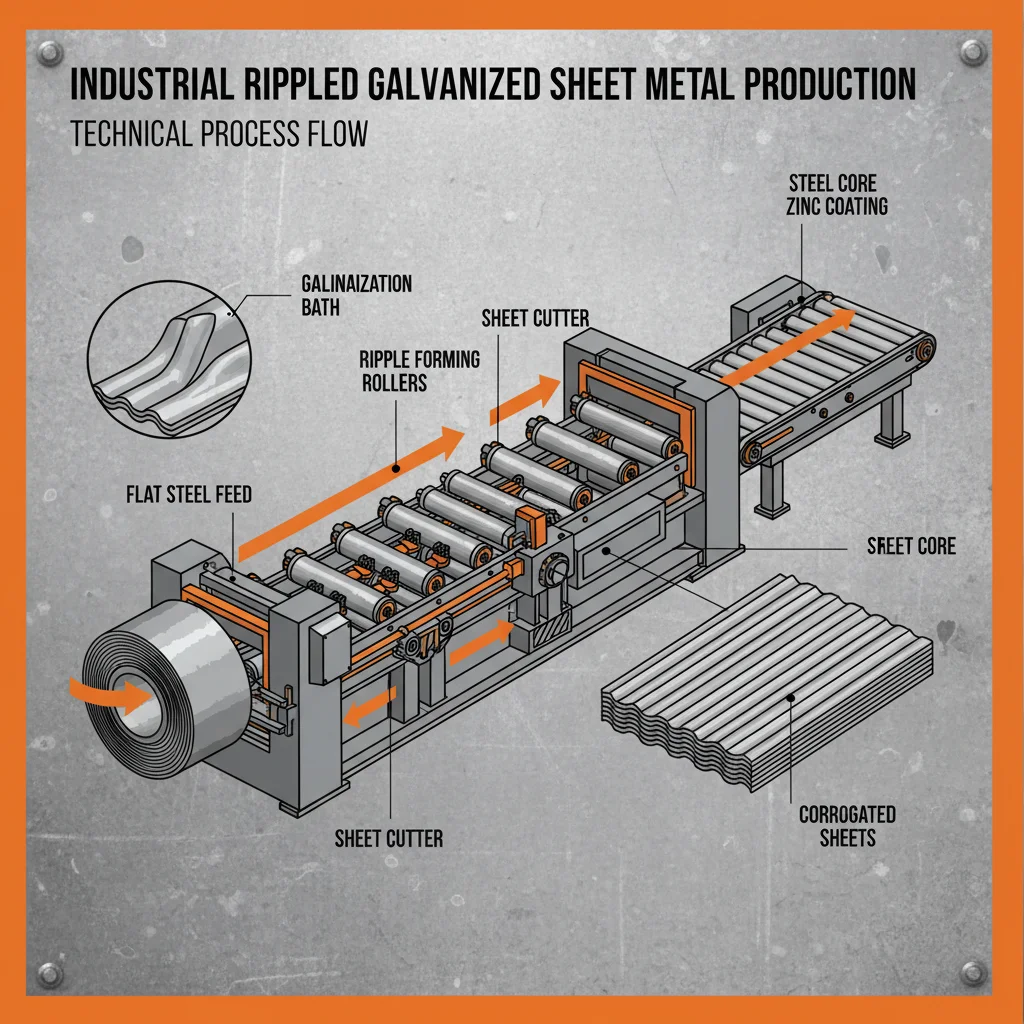
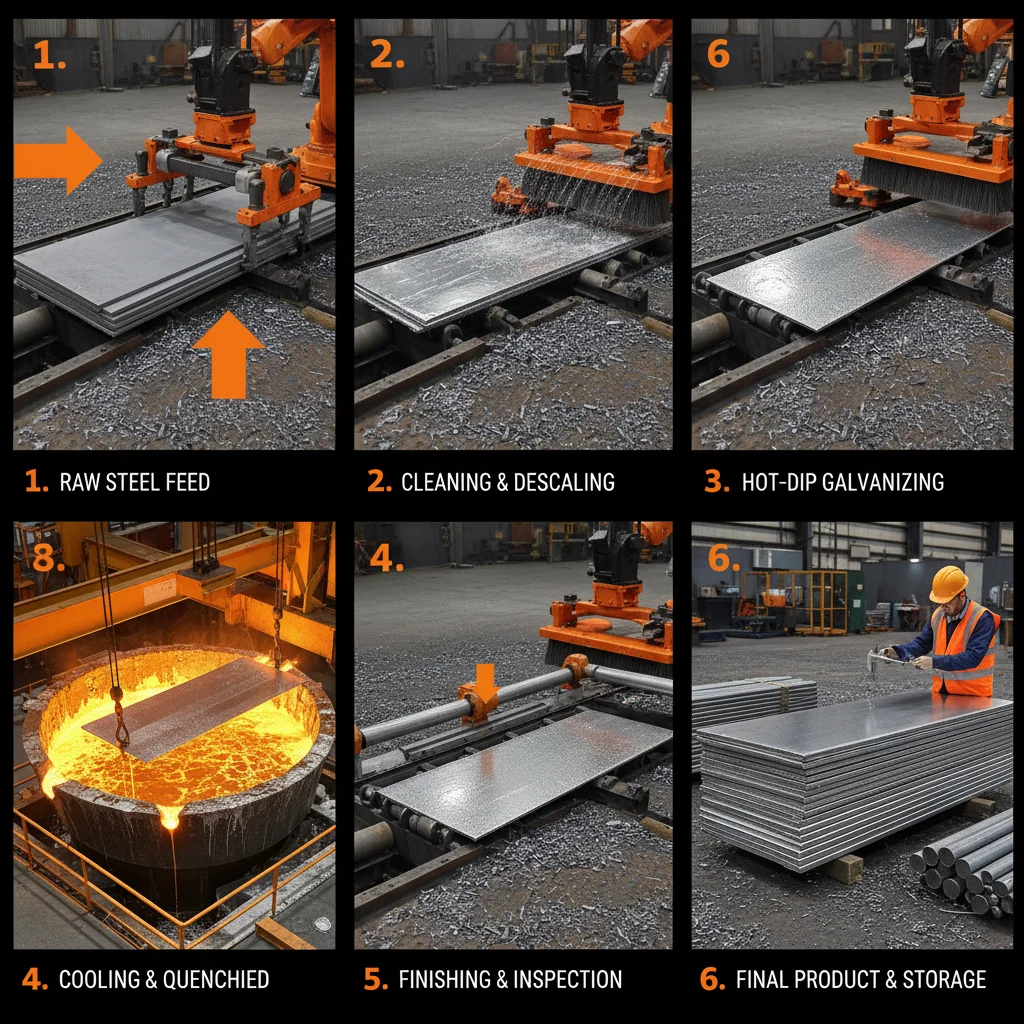
Certain grades of mild steel plates require additional treatments (like galvanization or heat treatment) that add to costs. Suppliers with advanced facilities—say, automated rolling mills—can produce better quality product but at a premium.
3. Thickness and Dimensions
The thicker or larger the plate, the more material you’re buying, obviously. But also, irregular dimensions or customized sizes can hike the price due to waste and handling complexities.
4. Transportation and Logistics
Since steel plates are heavy and bulky, transport costs can be significant—especially if shipping internationally or to remote locations. Fuel price swings ripple into overall costs.
5. Market Demand & Inventory Levels
High demand during rapid industrialization or shortage-driven supply bottlenecks can push prices up and vice versa during global slowdowns.
6. Regulatory and Tariffs
Trade policies, import duties, and environmental regulations impact the final price offered by vendors.
Mini summary: Price is shaped by many overlapping factors—raw materials, quality specs, logistics, and market forces.
How Mild Steel Plates Are Used Around the World
Few materials combine affordability and strength as consistently as mild steel plates. Construction firms from Dubai to Chicago rely on them for sturdy frameworks. In Asia, rapid urban growth means these plates build everything from bridges to manufacturing plants.
- Post-Disaster Relief: NGOs use mild steel plates in temporary shelters and modular structures—to provide fast, reliable housing after earthquakes or floods.
- Industrial Zones: Remote mining or processing sites often source mild steel plates for machinery bases and protective housing.
- Automotive Manufacturing: The automotive sector uses these plates extensively in chassis and body panels, where strength-to-cost ratios matter.
- Shipbuilding & Offshore: Marine structures rely on corrosion-resistant grades, a niche but vital market.
It’s like the silent workhorse of modern industry—rarely noticed but absolutely indispensable.
The Real Advantages of Watching Mild Steel Plate Price
Rational buyers know controlling the mild steel plate price improves budgeting and procurement efficiency. But it goes beyond that:
- Cost Efficiency: Bulk purchasing at the right time can save significant amounts, especially for long-term projects.
- Sustainability: Steel is highly recyclable, making mild steel plates relatively eco-friendly compared to other materials like concrete or plastics.
- Reliability: Using consistent quality steel reduces failures and maintenance, enhancing project longevity.
- Social Impact: Affordable steel products enable access to housing, employment, and infrastructure upgrades, lifting communities.
Frankly, it’s hard to overstate how cost-effective mild steel plates support both profit margins and humanitarian work.
Product Specification Table: Typical Mild Steel Plate
| Specification |
Typical Value |
| Grade |
ASTM A36 / EN 10025-2 S275 |
| Thickness Range |
3 mm to 200 mm |
| Yield Strength |
250 MPa (typical) |
| Tensile Strength |
400 - 550 MPa |
| Surface Finish |
Hot rolled / Pickled & Oiled |
| Typical Price Range (USD/ton) |
$500 - $800 |
Vendor Comparison: Pricing & Features
| Vendor |
Price per Ton (USD) |
Minimum Order Qty |
Lead Time |
Available Grades |
| BaidySteel Co. |
$520 - $750 |
5 Tons |
2-4 Weeks |
A36, S275, S355 |
| GlobalSteel Ltd. |
$600 - $800 |
10 Tons |
3-6 Weeks |
A36, S355 |
| SteelPro Suppliers |
$540 - $700 |
3 Tons |
1-3 Weeks |
A36, S275 |
Looking Ahead: Trends Shaping Mild Steel Plate Price
Don’t be surprised if, over the next decade, the mild steel plate price becomes more influenced by sustainability standards than just raw costs. After all, the ISO’s recent push for greener industrial processes means eco-friendly steel manufacturing could become the norm—not the exception.
Automation in rolling mills and AI-assisted supply management are slowly creeping in, promising efficiency but also new pricing models. Meanwhile, digital marketplaces for steel procurement enable buyers to compare prices in real-time, tightening margins.
And with increasing demand for lightweight, higher-strength alloys, it’s possible that mild steel plates might compete with more advanced steels, balancing cost and performance in innovative ways.
Common Challenges and What Can Be Done
Price volatility is often a thorny issue for procurement teams. Sudden spikes can derail projects, while delays result from limited inventories. Then there’s the dilemma of quality assurance—sometimes lower prices hide poor standards.
Experts suggest diversified sourcing strategies, utilizing vendors like BaidySteel with transparent pricing and documented testing. Also, flexible inventory management combined with predictive analytics can help mitigate risk.
FAQ: Your mild steel plate price Questions Answered
Q1: What affects the mild steel plate price the most?
A1: Raw material costs—primarily iron ore and coal prices—play a significant role. But also consider processing, thickness, logistics, and demand fluctuations.
Q2: How can I ensure I get a good deal without compromising quality?
A2: Choose reputable vendors with certifications and testing reports. Avoid selecting solely based on price. Long-term partnerships help.
Q3: Is it cheaper to buy in bulk?
A3: Typically yes. Bulk purchases reduce per-unit cost and shipping expenses, but watch for storage capability and inventory costs.
Q4: How do tariffs influence cost?
A4: Tariffs on imported steel increase landed costs significantly. Companies often try sourcing locally or from low-tariff countries to manage budget.
Q5: Where can I find reliable real-time pricing?
A5: Many platforms aggregate supplier quotes online. Also check industry reports and consult vendors directly for the latest updates.
Wrapping It Up — Why Being Price-Savvy in Mild Steel Matters
In real terms, keeping a close eye on mild steel plate price means unlocking cost savings and avoiding project frustrations. Whether you’re building roads, factories, or emergency shelters, knowing the pricing landscape helps plan smarter, build stronger, and even contribute to sustainability.
If you’re looking for consistency and competitive pricing, I recommend visiting BaidySteel—they offer transparent, quality-checked products that fit a wide variety of needs.
Steel’s journey from ore to plate might seem straightforward, but its price volatility is anything but. Keep informed, plan thoughtfully, and you’re halfway to success.
References
- World Steel Association
- International Trade Centre
- International Organization for Standardization (ISO)