Hit enter to search or ESC to close
10 February 2026
Galvanized steel sheet metal is a versatile material widely used across various industries, including construction, automotive, and appliance manufacturing. Its durability, corrosion resistance, and cost-effectiveness make it an ideal choice for numerous applications. This article provides a detailed overview of galvanized steel sheet metal, covering its properties, manufacturing processes, applications, benefits, and considerations when choosing the right type for your needs. Explore how Baidy Steel offers quality galvanized steel solutions.
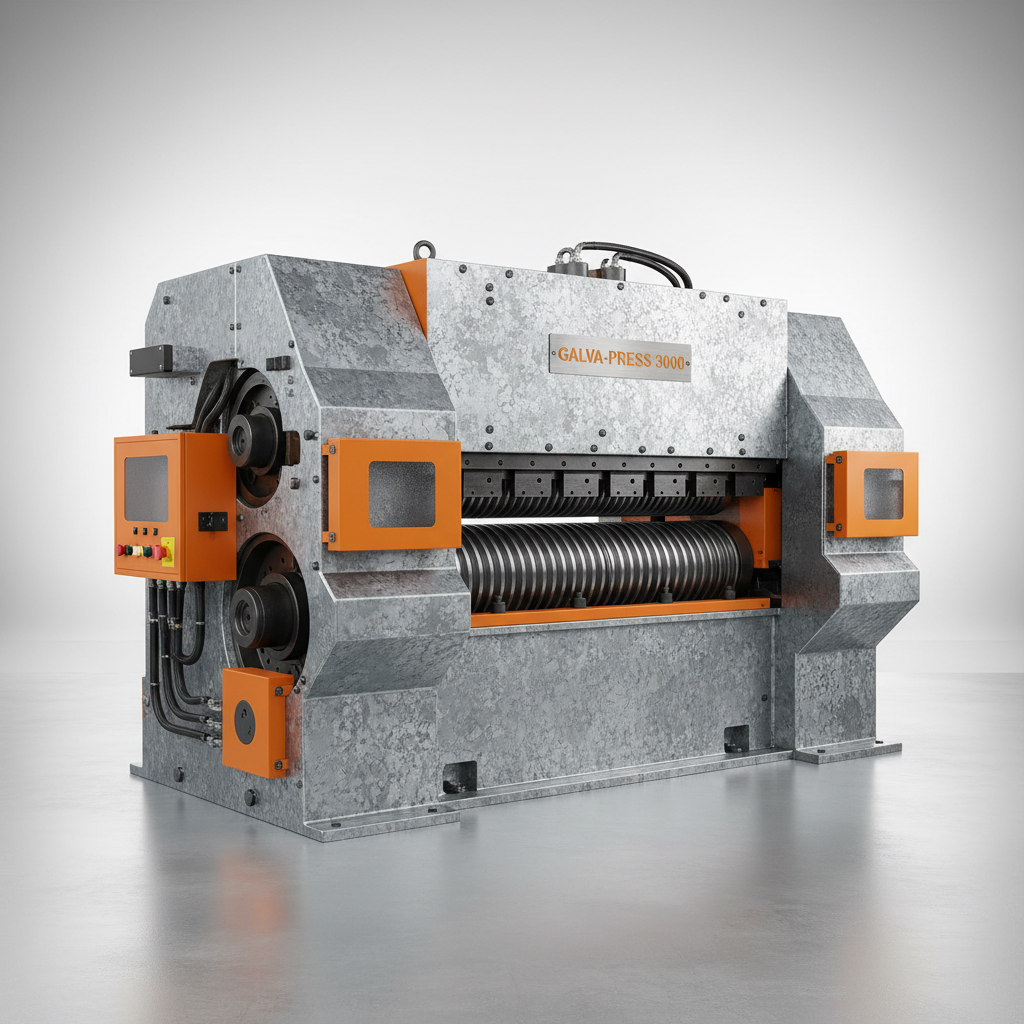
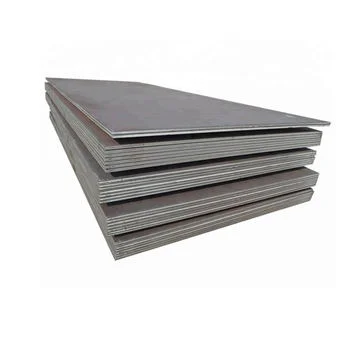
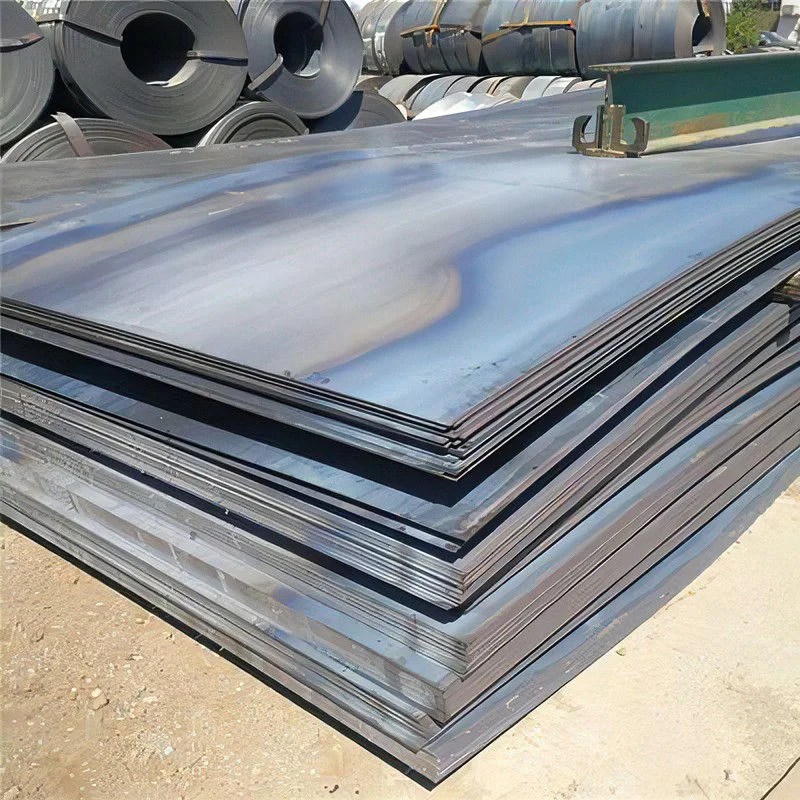
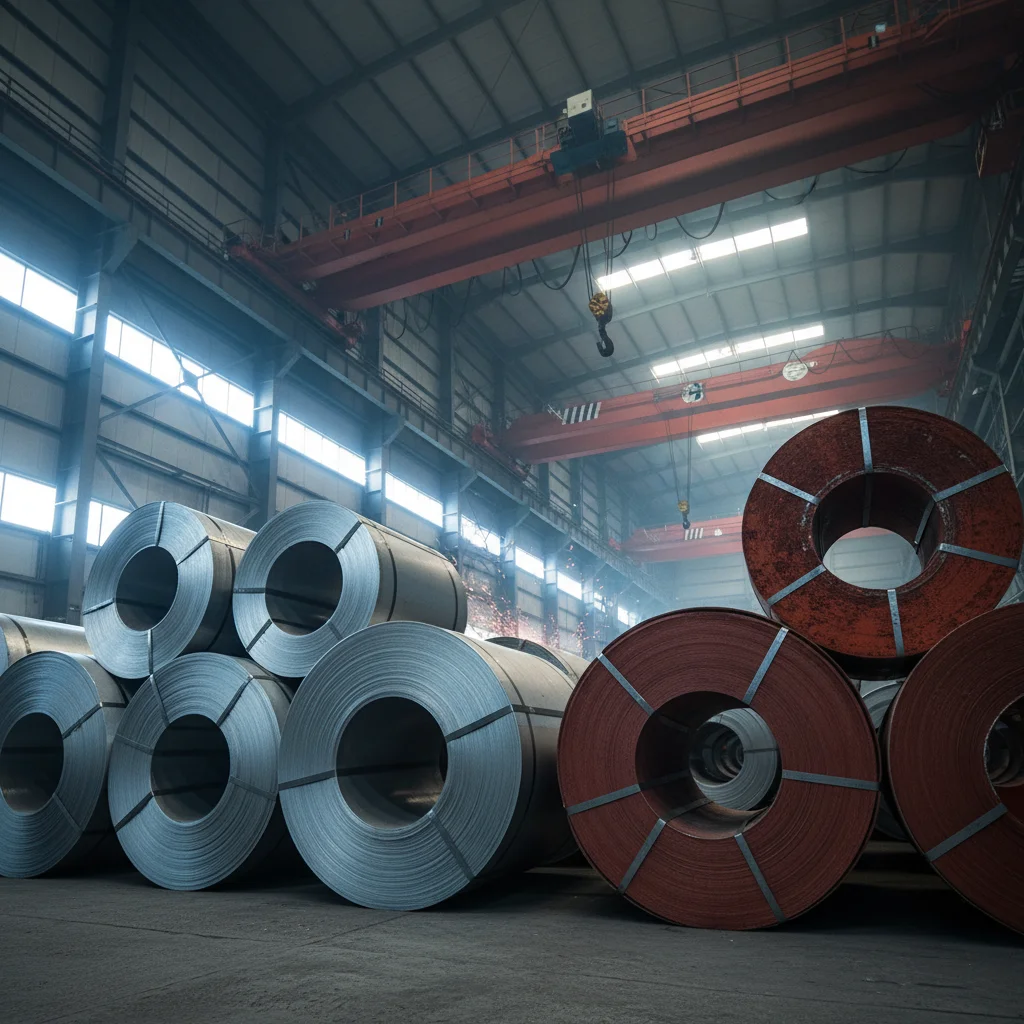
Galvanized steel sheet metal is created by coating a base metal, typically carbon steel, with a protective layer of zinc. This zinc coating serves as a barrier against corrosion, significantly extending the lifespan of the steel. The process of galvanization can be achieved through several methods, including hot-dip galvanizing, electrogalvanizing, and galvannealing. The key benefit is preventing rust and degradation, making it suitable for both indoor and outdoor use. Baidy Steel specializes in providing high-quality galvanized sheet metal tailored to diverse industry requirements.
Key Highlights: The zinc coating acts as a sacrificial anode, corroding before the steel itself. This ensures long-term protection even if the coating is scratched or damaged.
Several methods are used to galvanize steel, each with its own advantages and disadvantages. Understanding these differences is crucial when selecting the appropriate type of galvanized steel for your application. Hot-dip galvanizing is the most common method, offering a thick, durable coating. Electrogalvanizing produces a smoother, more aesthetically pleasing finish, while galvannealing provides excellent weldability.
Galvanization Method Benefits:
The versatility of galvanized steel sheet metal leads to a wide range of applications. In construction, it's used for roofing, siding, gutters, and structural components. The automotive industry utilizes it for body panels and chassis parts. Appliance manufacturers rely on it for durable and corrosion-resistant enclosures. Other applications include HVAC systems, agricultural equipment, and even fencing. Baidy Steel caters to various industry needs with customized galvanized steel solutions.
Choosing galvanized steel sheet metal offers several key advantages. Its superior corrosion resistance significantly extends product lifespan, reducing maintenance and replacement costs. It provides a high strength-to-weight ratio, making it ideal for structural applications. The material is also readily formable and weldable, allowing for versatile fabrication. Finally, galvanized steel is a cost-effective solution compared to other corrosion-resistant materials like stainless steel. Baidy Steel provides competitive pricing without compromising on quality.
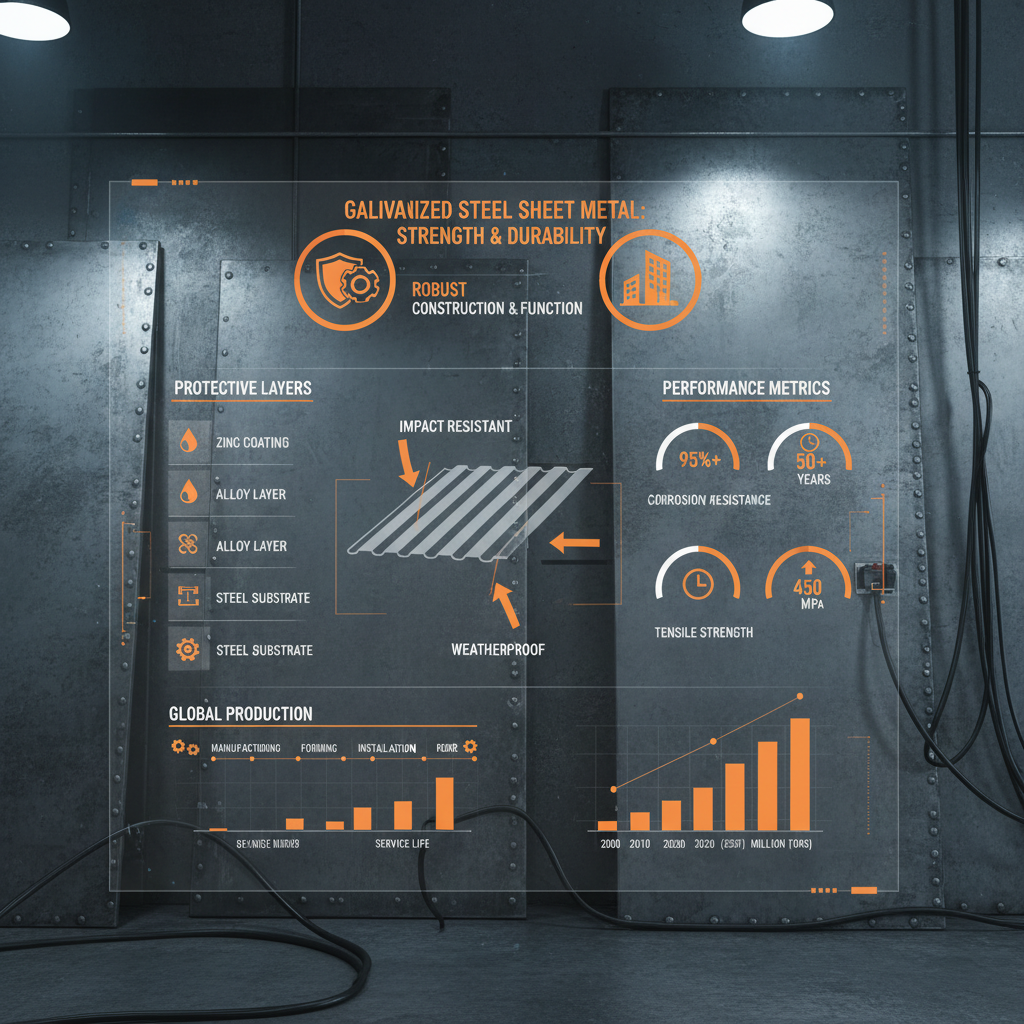
When selecting galvanized steel sheet metal, several factors should be considered. The intended application and exposure environment will dictate the required coating thickness. The desired finish and formability will influence the choice of galvanization method. Budget constraints will also play a role in selecting the most cost-effective solution. It's important to consult with a reputable supplier, such as Baidy Steel, to ensure you choose the optimal material for your specific needs.
Galvanized steel sheet metal is a durable, versatile, and cost-effective material suitable for a wide range of applications. By understanding the different galvanization methods, advantages, and factors to consider, you can select the optimal solution for your specific needs. Baidy Steel is a trusted supplier, offering high-quality galvanized steel products and expert guidance to ensure your success.
The lifespan of galvanized steel varies depending on the environment. In rural areas with low pollution, it can last over 50 years. In industrial or coastal areas with high salt content, the lifespan may be 20-30 years. However, even after the zinc coating is depleted, the steel will continue to resist corrosion at a slower rate due to the formation of a protective zinc oxide layer. Proper maintenance, such as cleaning and periodic coating, can extend the lifespan even further. Baidy Steel offers advice on extending the life of your galvanized steel.
Yes, galvanized steel can be painted, but proper surface preparation is crucial. The zinc coating must be thoroughly cleaned and etched to ensure good paint adhesion. Using a self-etching primer specifically designed for galvanized steel is highly recommended. Avoid using oil-based paints, as they may not adhere well to the zinc surface. Water-based acrylic paints or epoxy coatings are generally the best choices.
Galvanized steel is a sustainable material due to its long lifespan, reducing the need for frequent replacements. Zinc is a naturally abundant and recyclable material. The galvanization process itself has a relatively low environmental impact. Furthermore, galvanized steel contributes to resource conservation by reducing waste and minimizing the demand for new steel production. Baidy Steel is committed to sustainable practices.
Generally, galvanized steel is not recommended for direct, long-term contact with food, especially acidic foods. While the zinc coating is relatively non-toxic, some zinc can leach into the food, potentially affecting taste and health. However, galvanized steel can be used for food processing equipment if a suitable barrier coating is applied to prevent direct contact. It's crucial to comply with relevant food safety regulations and standards when using galvanized steel in such applications.