Hit enter to search or ESC to close
28 February 2026
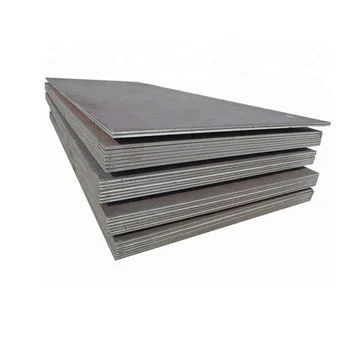
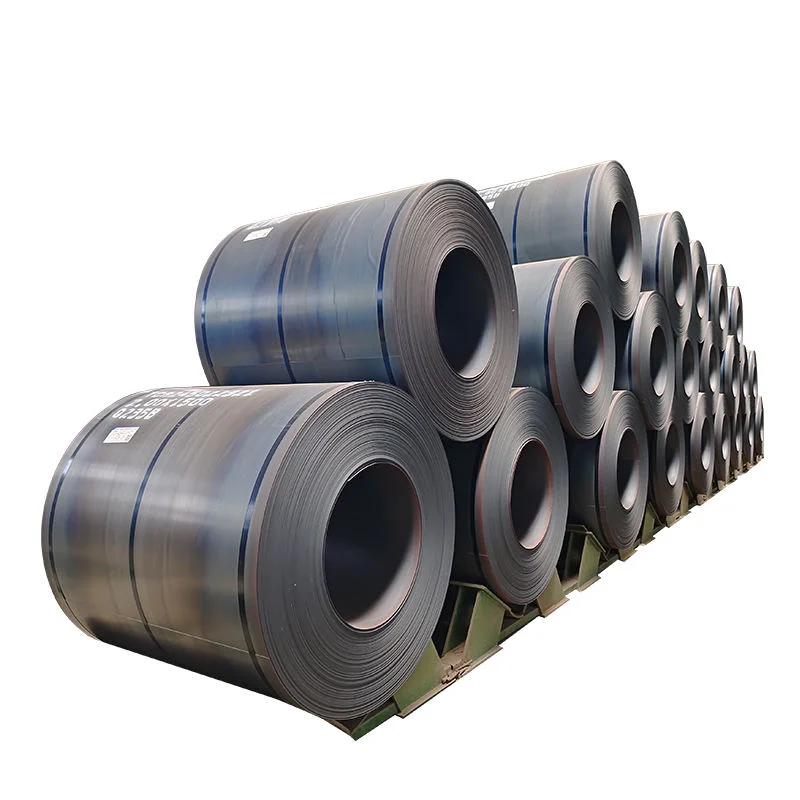
Plain galvanized iron sheet is a versatile material widely used in construction, manufacturing, and various industrial applications. Its corrosion resistance and cost-effectiveness make it a popular choice. This article will explore the properties, manufacturing processes, applications, and advantages of plain galvanized iron sheet, providing a detailed overview for professionals and anyone seeking to understand this important material. We will also discuss key considerations when selecting the right galvanized sheet for your specific needs.
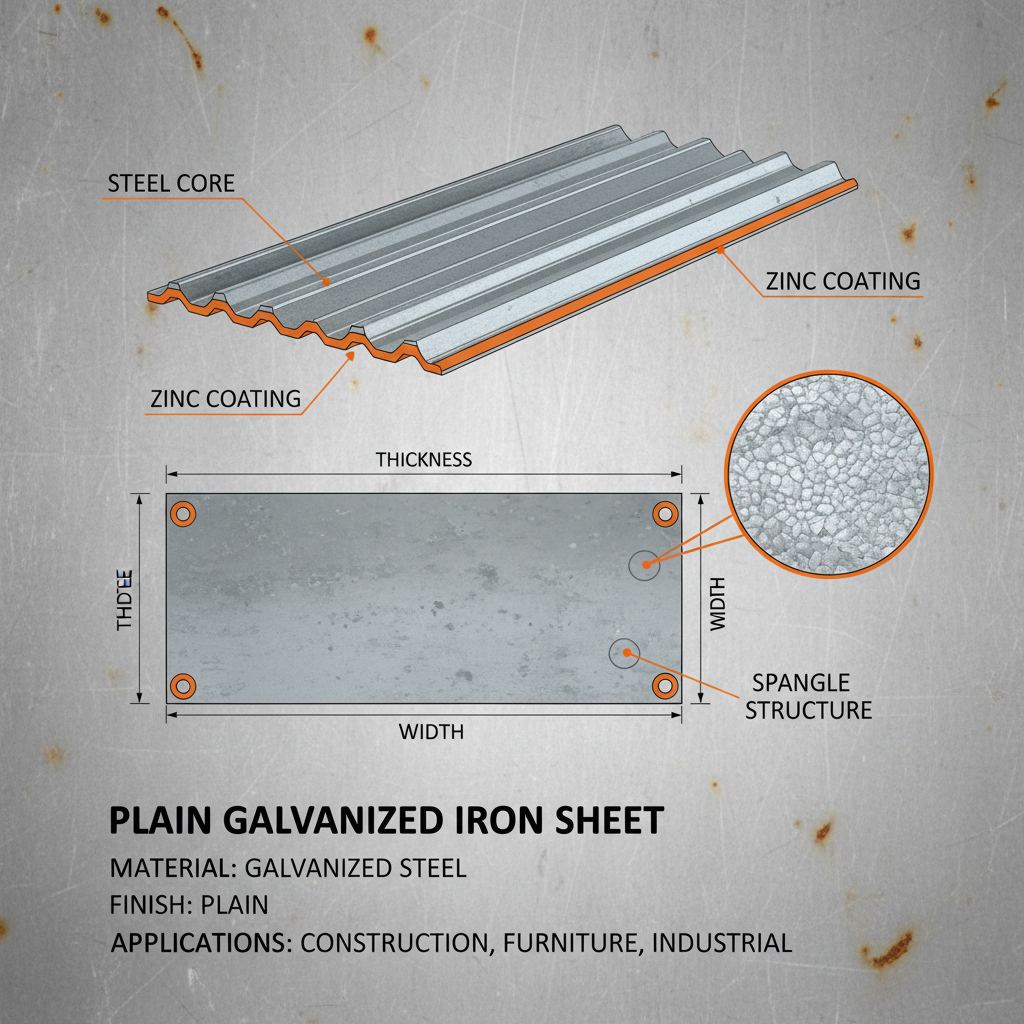
Plain galvanized iron sheet is created by coating a base metal, typically steel or iron, with a layer of zinc. This process, known as galvanization, provides excellent protection against corrosion, extending the material's lifespan even in harsh environments. The “plain” designation refers to the lack of any additional coatings or treatments beyond the zinc layer, making it suitable for applications where a basic level of corrosion resistance is sufficient. The zinc coating acts as a sacrificial layer, corroding before the underlying steel, effectively protecting it from rust. This makes galvanized iron sheet an ideal choice for outdoor and industrial applications.
Key Benefits: Excellent corrosion resistance, cost-effectiveness, durability, versatility, and ease of fabrication.
There are several methods for galvanizing iron sheets, with hot-dip galvanization being the most common. In this process, the steel sheet is submerged in a bath of molten zinc. This creates a metallurgical bond between the zinc and the steel, forming a durable, corrosion-resistant coating. Other methods include electro-galvanizing, which uses an electric current to deposit the zinc layer, and galvannealing, which involves a heat treatment after galvanization to create a zinc-iron alloy coating. The thickness of the zinc coating can be varied depending on the intended application and level of protection required.
Galvanization Methods:
• Hot-Dip Galvanizing: Most common, durable metallurgical bond.
• Electro-Galvanizing: Uses electric current for deposition.
• Galvannealing: Heat treatment creates zinc-iron alloy.
Compared to other metal sheet options, plain galvanized iron sheet offers a unique combination of properties. Aluminum, for example, is lightweight and corrosion-resistant but is generally more expensive than galvanized steel. Stainless steel provides excellent corrosion resistance but is significantly more costly. While painted steel offers some protection, the paint layer can chip and wear, leaving the steel vulnerable to rust. Galvanized steel, with its zinc coating, offers a cost-effective and reliable solution for many applications.
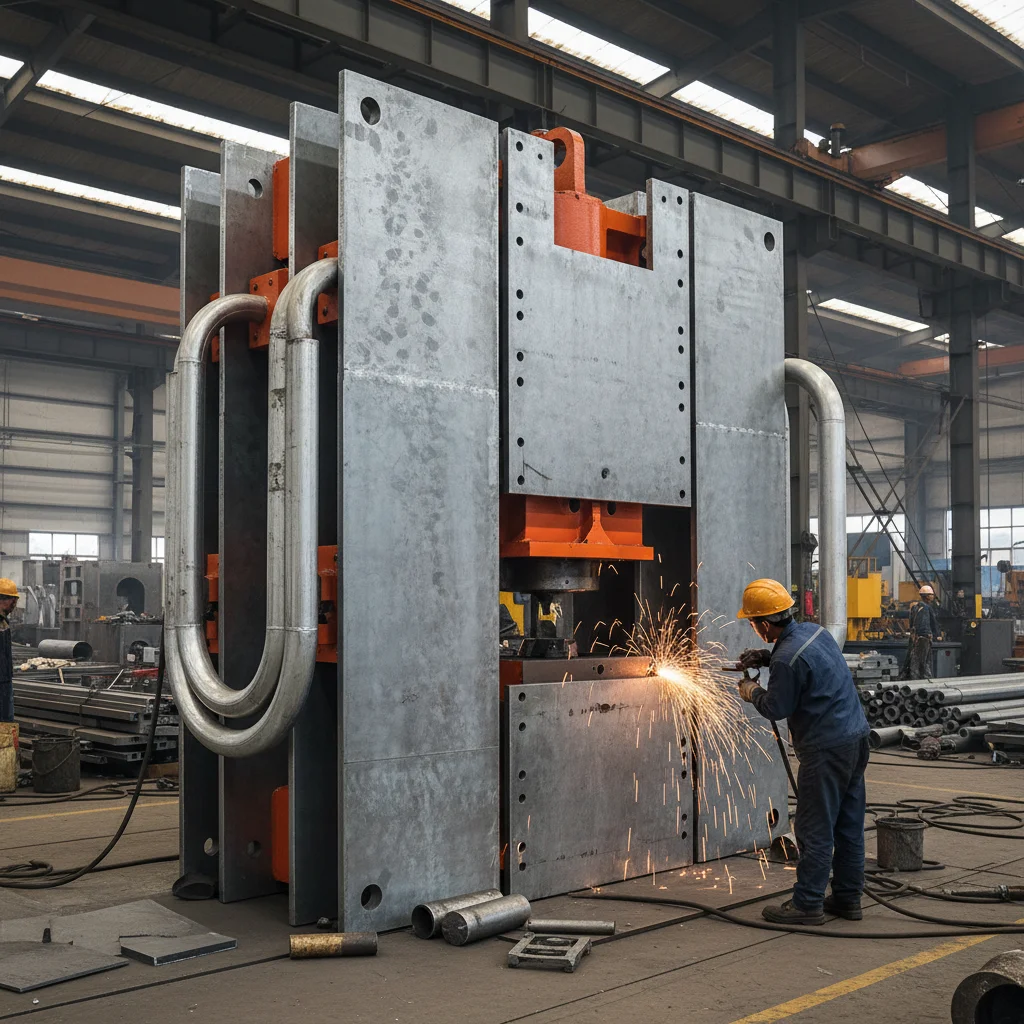
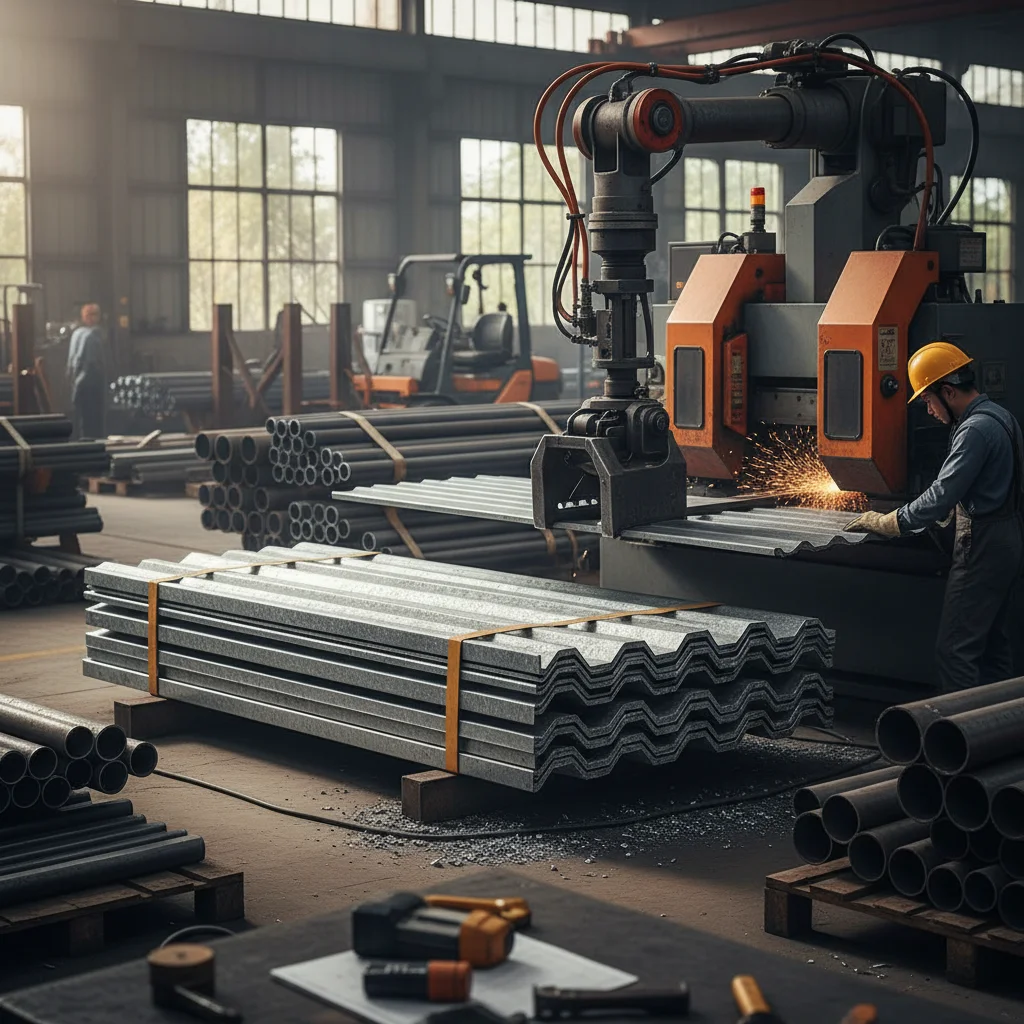
The versatility of plain galvanized iron sheet leads to a wide range of applications. These include roofing and cladding in construction, manufacturing of ductwork and ventilation systems, production of automotive body panels, creation of agricultural equipment, and fabrication of general metalwork structures. Its durability and resistance to weathering make it ideal for outdoor structures. Baidysteel provides a comprehensive range of galvanized iron sheets for these diverse applications.
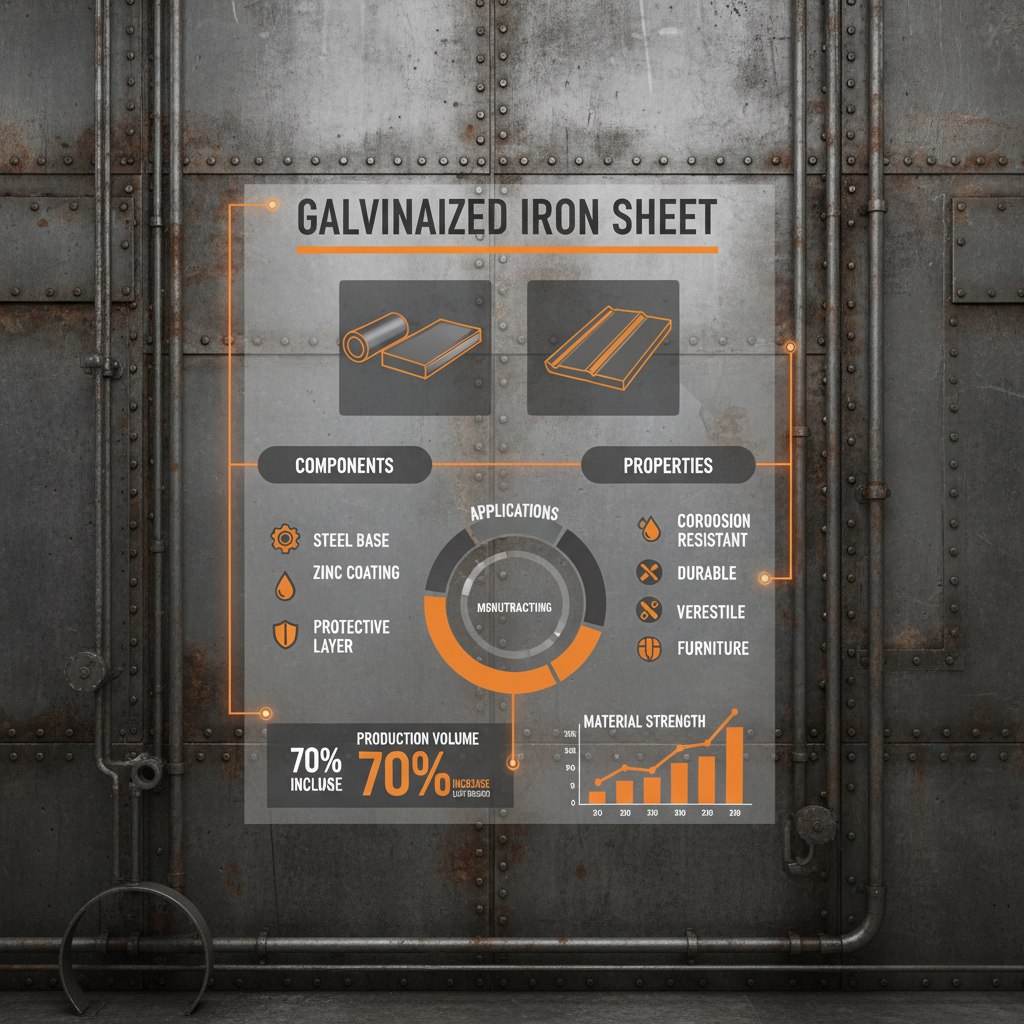
Plain galvanized iron sheet is available in various thicknesses, widths, and lengths to meet specific project requirements. Common thicknesses range from 0.5mm to 3.0mm. The zinc coating thickness is typically measured in grams per square meter (g/m²), with standard coatings ranging from Z275 (275 g/m²) to Z450 (450 g/m²). Understanding these specifications is crucial for selecting the appropriate sheet for your application.
Plain galvanized iron sheet remains a cost-effective and reliable solution for a wide array of applications requiring corrosion resistance. Its versatility, durability, and ease of fabrication make it a staple material in numerous industries. For high-quality galvanized iron sheet, Baidysteel is a trusted supplier offering a wide range of specifications to meet your specific needs.
The lifespan of galvanized iron sheet varies depending on the environment it's exposed to. In rural areas with low pollution, it can last for over 50 years. In industrial areas with high levels of pollution, the lifespan may be shorter, around 20-30 years. Proper maintenance, such as periodic cleaning and repainting, can extend its lifespan. The thickness of the zinc coating also plays a crucial role – thicker coatings offer longer-lasting protection.
Yes, galvanized iron sheet can be painted, but proper preparation is essential. The surface must be thoroughly cleaned to remove any oil, dirt, or oxidation. A zinc-rich primer should be applied to ensure good adhesion and prevent corrosion. Use a paint specifically designed for galvanized metal to achieve the best results. Avoid using acidic or corrosive paints that can damage the zinc coating.
Generally, plain galvanized iron sheet is not recommended for direct food contact surfaces. While the zinc coating provides corrosion resistance, there are concerns about potential zinc leaching into food, especially with acidic foods. For food contact applications, food-grade stainless steel or other materials specifically approved for food contact are preferred.