Hit enter to search or ESC to close
7 April 2026
Zinc coated galvanized steel sheet is a widely used material in construction, manufacturing, and automotive industries due to its excellent corrosion resistance and versatility. This article provides a detailed overview of its properties, applications, benefits, and factors to consider when sourcing this essential material. Understanding the nuances of galvanized steel is critical for making informed decisions, whether you are an engineer, purchaser, or end-user.
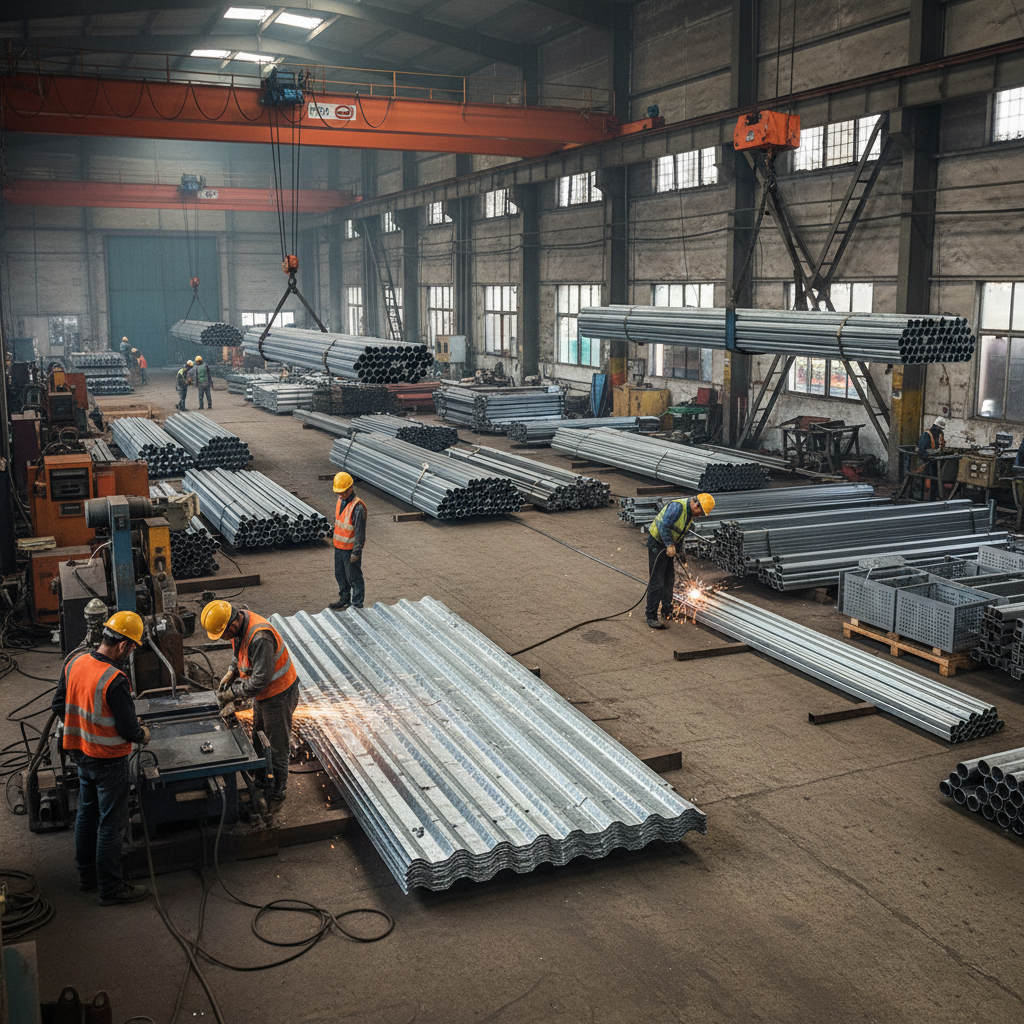
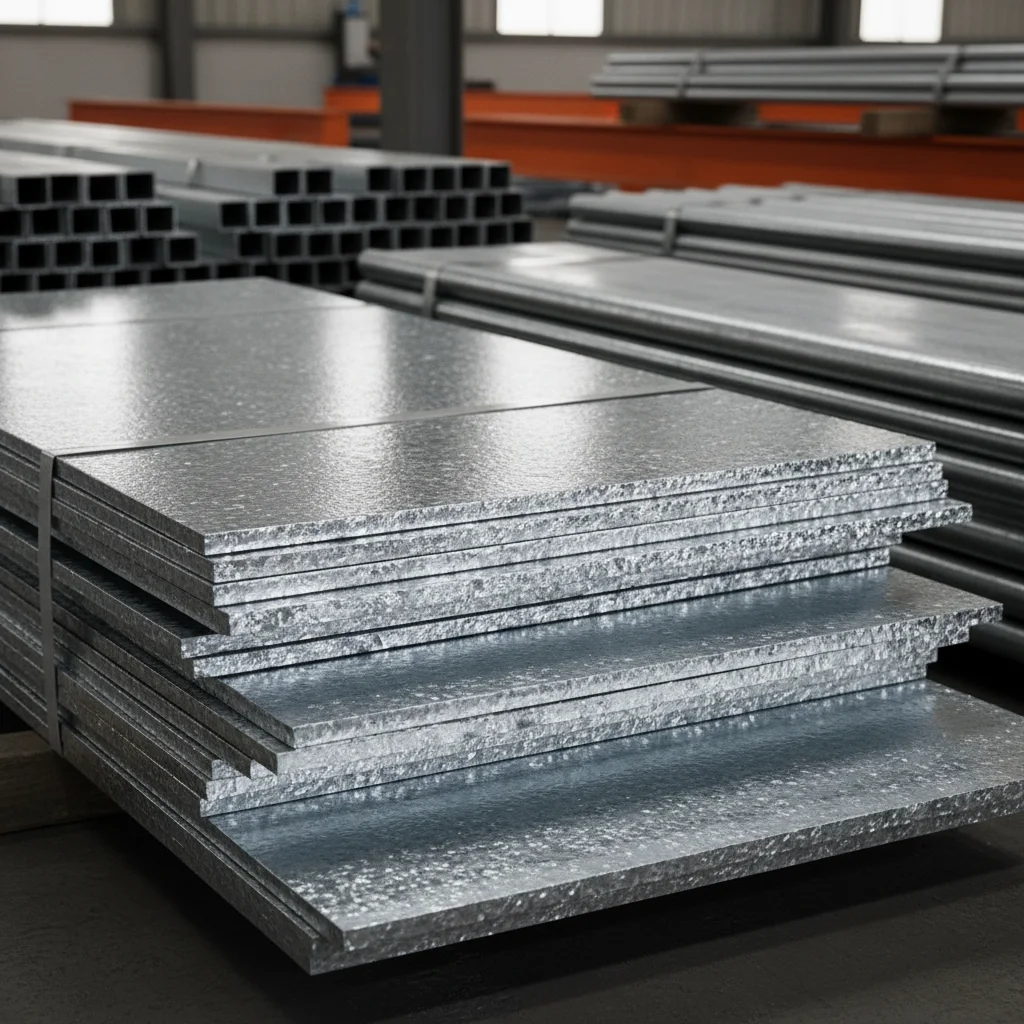
Galvanized steel sheet is created by applying a protective coating of zinc to a base steel sheet. This process, known as galvanization, prevents rusting and corrosion. The zinc coating acts as a barrier, shielding the underlying steel from environmental elements like moisture and chemicals. There are several methods for galvanization, including hot-dip galvanizing, electrogalvanizing, and galvannealing. Baidysteel offers a variety of zinc coating options to meet specific requirements.
Key Takeaway: Galvanization significantly extends the lifespan of steel by preventing corrosion, making it a cost-effective material for long-term applications.
The method of galvanization impacts the coating's thickness, appearance, and performance. Hot-dip galvanizing involves immersing the steel in a bath of molten zinc, creating a thick, durable coating. Electrogalvanizing uses an electric current to deposit a thinner, more uniform coating. Galvannealing combines hot-dip galvanizing with an annealing process, resulting in a smoother surface ideal for painting or powder coating. Understanding these differences is crucial when selecting the right type of zinc coated steel sheet for your application.
Galvanization Process Comparison:
• Hot-Dip Galvanizing: Thick, durable, cost-effective
• Electrogalvanizing: Thin, uniform, smooth finish
• Galvannealing: Smooth surface, excellent paint adhesion
The applications for galvanized steel sheet are vast. In construction, it’s used for roofing, siding, gutters, and structural components. The automotive industry relies on it for body panels and undercarriage protection. Manufacturing utilizes it for appliances, machinery, and metal furniture. Agricultural applications include fencing, grain bins, and livestock shelters. Its corrosion resistance and formability make it a versatile material for diverse industries. Baidysteel provides tailored solutions for a wide range of industrial needs.
When sourcing galvanized steel, several factors are important. The zinc coating thickness (measured in g/m²) directly impacts corrosion resistance. Steel grade affects formability and strength. Surface finish requirements depend on the intended application (e.g., painting, powder coating). Finally, supplier reputation and quality control procedures are crucial to ensure consistent product quality. Baidysteel prioritizes quality and offers comprehensive testing and inspection services.
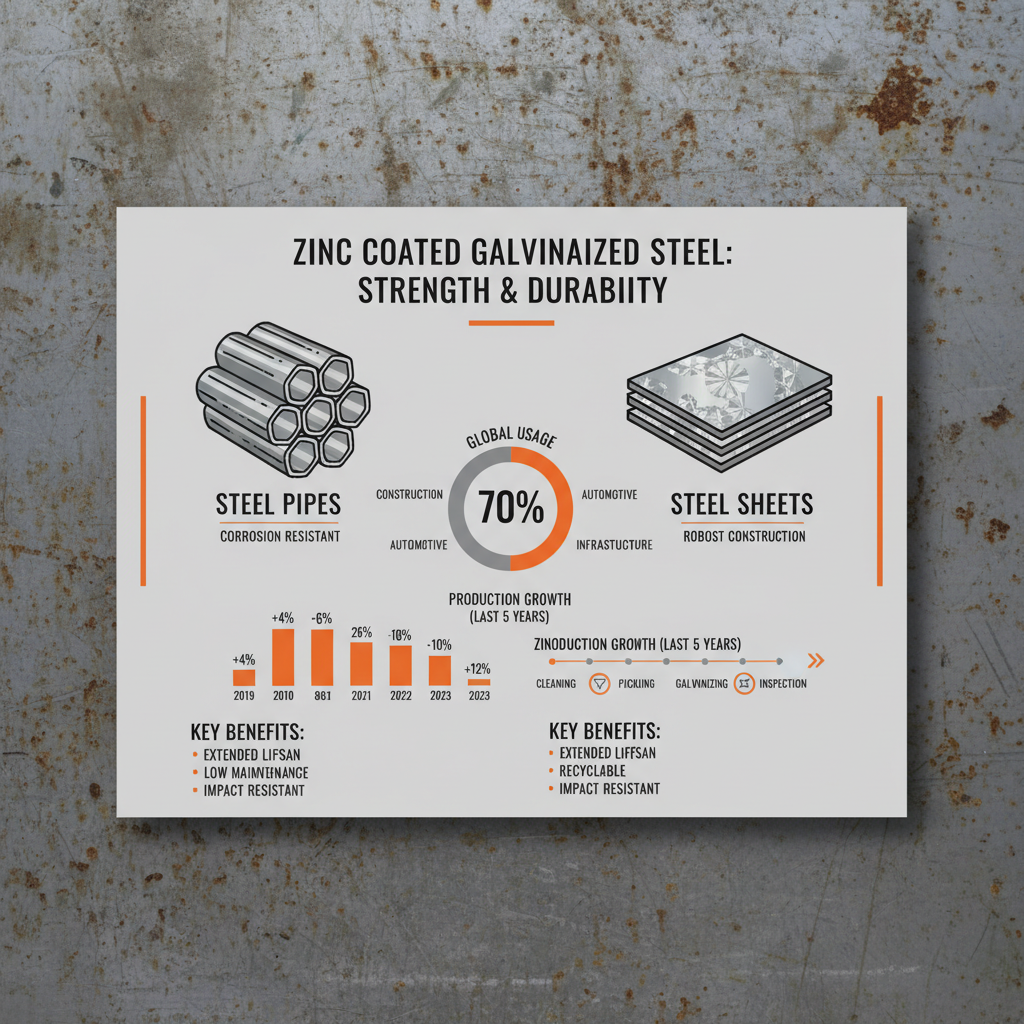
Here’s a typical product specification chart to illustrate available options. Actual specifications may vary based on manufacturer and customer requirements.
Selecting the appropriate zinc coated galvanized steel sheet is crucial for ensuring the longevity and performance of your projects. Consider the application requirements, environmental conditions, and budget constraints. Baidysteel is committed to providing high-quality products and expert support to meet your specific needs.
Galvanized steel offers superior corrosion resistance compared to bare steel, extending its lifespan and reducing maintenance costs. It also boasts a high strength-to-weight ratio, making it a cost-effective material. The zinc coating acts as a sacrificial anode, protecting the underlying steel even if the coating is scratched or damaged. This makes galvanized steel a durable and reliable choice for a wide range of applications.
The lifespan of the zinc coating depends on several factors, including the coating thickness, environmental conditions (humidity, salt spray), and exposure to pollutants. In typical atmospheric conditions, a galvanized coating can last for decades with minimal maintenance. However, in harsh environments, the coating may corrode more quickly. Regular inspection and maintenance can help extend the coating's lifespan.
Yes, galvanized steel can be painted, but proper surface preparation is essential. The zinc coating must be cleaned and roughened to ensure good paint adhesion. A zinc-rich primer is often recommended to provide additional corrosion protection. Using a compatible paint system is crucial to avoid premature failure. Baidysteel can provide guidance on suitable paint systems for galvanized steel.
Galvanization is considered an environmentally friendly process. Zinc is a naturally occurring element and is recyclable. The galvanizing process produces minimal waste, and most byproducts can be recovered and reused. Furthermore, the long lifespan of galvanized steel reduces the need for frequent replacements, conserving resources and reducing waste generation.