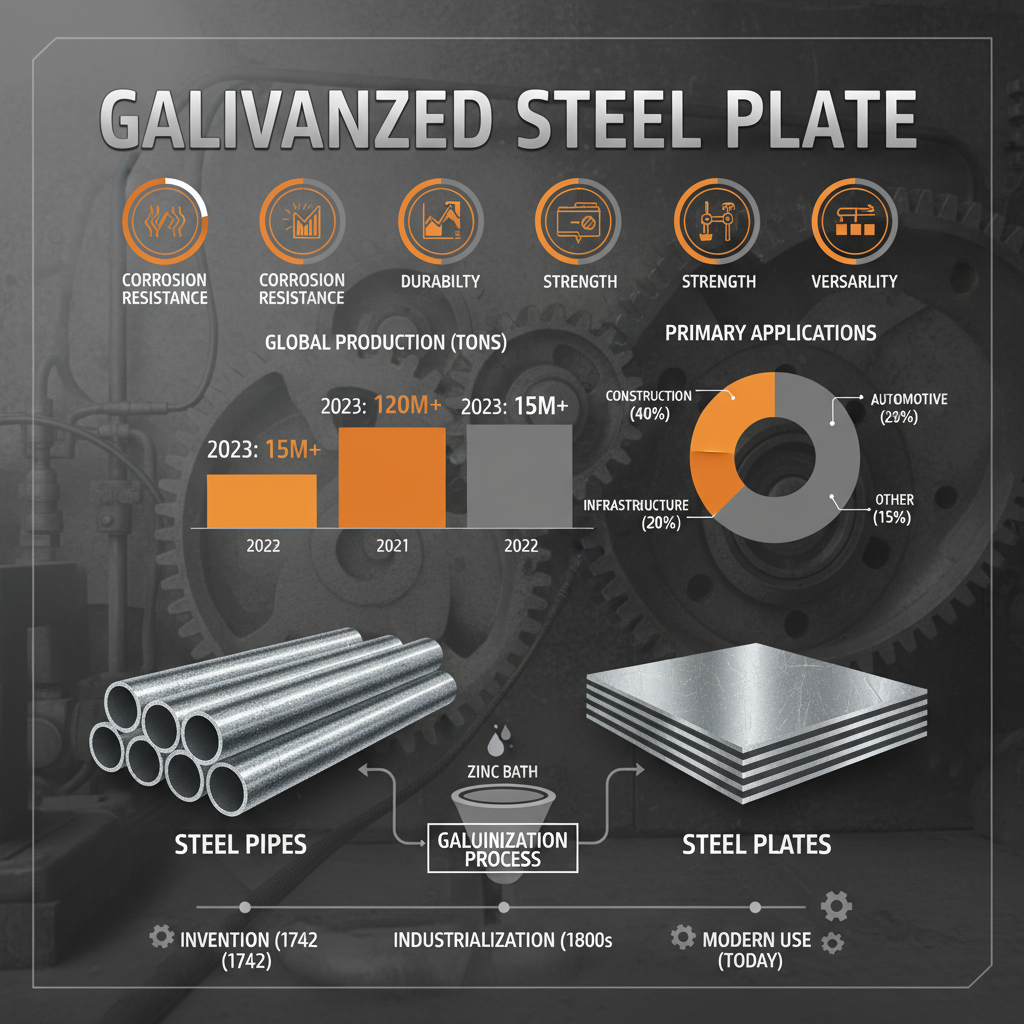
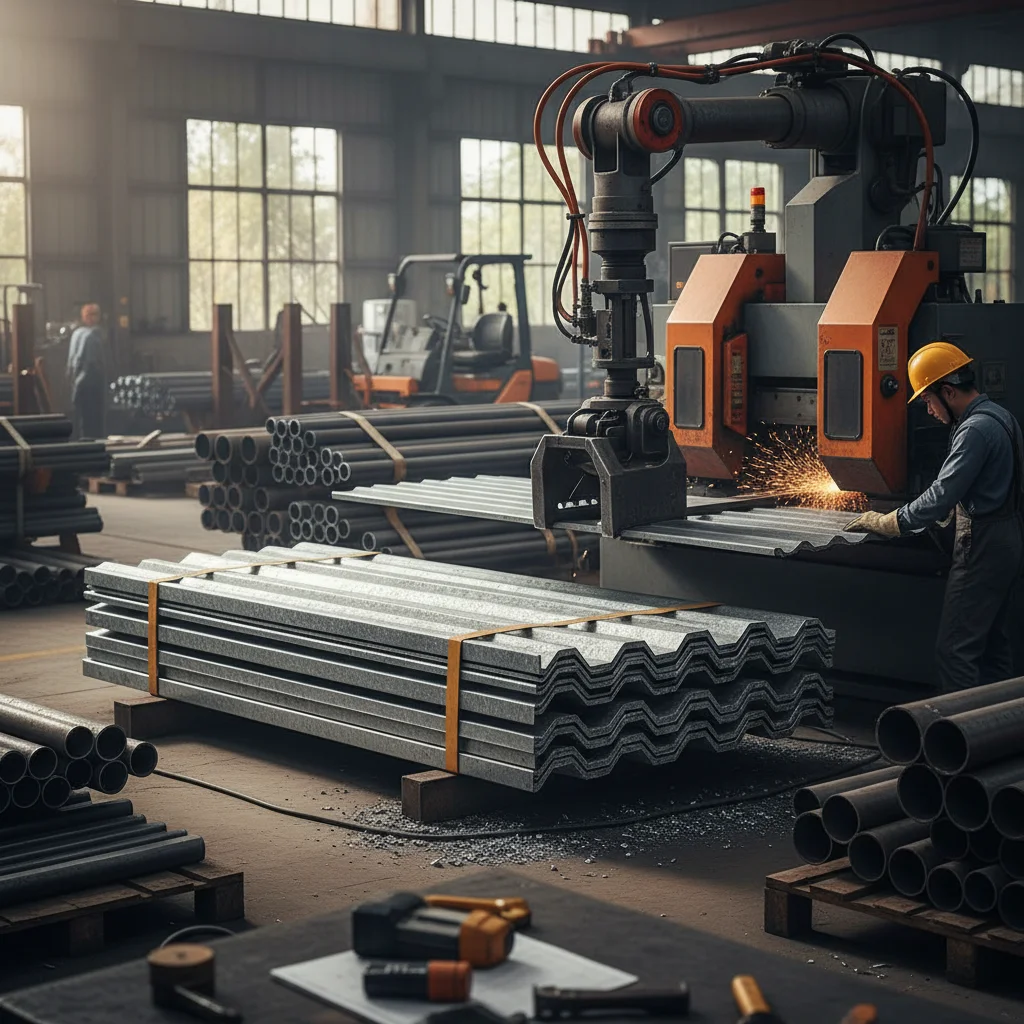
Galvanized steel plate, a cornerstone of modern infrastructure and manufacturing, plays a vital role in countless applications globally. This protective coating, typically zinc, dramatically enhances the steel's resistance to corrosion, extending its lifespan and reducing maintenance costs. Understanding the nuances of galvanized steel plate – from its production processes to its diverse applications – is crucial for engineers, architects, and procurement professionals alike.
The global demand for galvanized steel plate is driven by robust construction industries, particularly in developing economies. According to the World Steel Association, coated steel products, including galvanized varieties, represent a significant portion of the overall steel market. This demand stems from the need for durable and cost-effective materials in building projects, automotive manufacturing, and infrastructure development. Effectively addressing corrosion issues with high-quality galvanized steel plate is paramount to ensuring the longevity and safety of these critical assets.
Galvanized steel plate isn’t just about material science; it's about economic stability and sustainable development. By extending the lifespan of steel structures, galvanized steel plate reduces the need for frequent replacements, conserving resources and minimizing environmental impact. As industries grapple with the challenges of climate change and resource scarcity, the significance of durable materials like galvanized steel plate continues to grow.
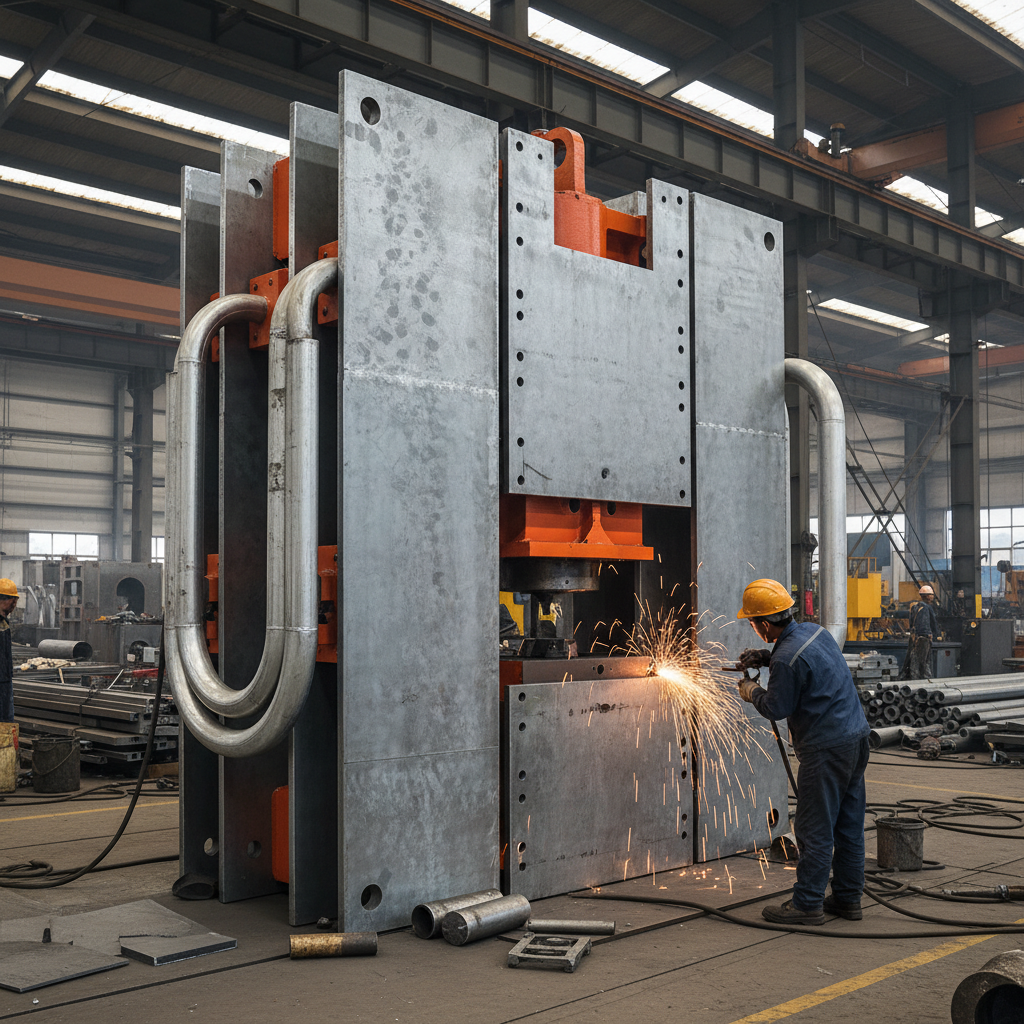
The Core Principles of Galvanized Steel Plate
At its heart, the effectiveness of galvanized steel plate lies in the principle of sacrificial protection. The zinc coating acts as a barrier against corrosive elements, but more importantly, it corrodes preferentially to the underlying steel. This means that even if the coating is scratched or damaged, the steel remains protected, preventing rust and extending the service life of the material.
The galvanization process itself can be achieved through various methods, including hot-dip galvanizing, electro-galvanizing, and galvanizing by vapor deposition. Each method offers varying levels of coating thickness and corrosion resistance, tailored to specific application requirements. Choosing the appropriate galvanization method is crucial for achieving optimal performance and longevity for your galvanized steel plate.
The Global Significance of Galvanized Steel
The demand for galvanized steel is a strong indicator of global economic activity, closely tied to construction, automotive manufacturing, and infrastructure projects. Emerging economies, particularly in Asia and Africa, are experiencing rapid urbanization and industrialization, driving significant demand for durable and cost-effective building materials like galvanized steel plate.
According to reports from the International Iron and Steel Institute, coated steel products – a category heavily influenced by galvanized steel – represent a substantial share of the global steel market. This demonstrates the widespread recognition of galvanized steel’s superior corrosion resistance and long-term value. Furthermore, international standards, such as those set by ISO, dictate rigorous quality control measures for galvanized steel production and application, ensuring consistent performance and reliability.
The environmental benefits of utilizing galvanized steel also contribute to its global significance. By extending the lifespan of steel structures, it reduces the need for frequent replacements, minimizing resource consumption and waste generation. As global sustainability initiatives gain momentum, galvanized steel is poised to play an increasingly important role in environmentally responsible construction and manufacturing.
Understanding the Galvanization Process
The most common method for creating galvanized steel plate is hot-dip galvanizing. This process involves immersing cleaned steel into a bath of molten zinc, creating a metallurgical bond between the zinc and the steel. This bond ensures excellent adhesion and provides a robust, long-lasting protective coating. The thickness of the zinc coating can be precisely controlled based on the application’s needs.
Electro-galvanizing, another popular method, uses an electrolytic process to deposit a layer of zinc onto the steel surface. While generally producing a thinner coating than hot-dip galvanizing, it offers a smoother finish and greater control over coating uniformity. Galvanizing by vapor deposition is a more advanced technique, creating highly uniform and dense zinc coatings for specialized applications.
Regardless of the method employed, careful surface preparation is critical for successful galvanization. Thorough cleaning and pre-treatment of the steel ensure optimal adhesion of the zinc coating. Post-treatment processes, such as passivation, can further enhance the corrosion resistance of the galvanized steel plate.
Key Performance Indicators of Galvanized Steel Plate
Evaluating the performance of galvanized steel plate requires considering several key indicators. Corrosion resistance, measured through salt spray testing and cyclic corrosion tests, is paramount. Coating thickness, typically measured in microns, directly correlates with the level of protection provided.
Adhesion strength, assessed using techniques like the pull-off test, ensures the coating remains securely bonded to the steel substrate. Formability, the ability of the steel to be bent, shaped, and welded without cracking the coating, is crucial for fabrication processes. These KPIs help determine the suitability of galvanized steel plate for specific applications.
Corrosion Resistance Comparison of Galvanizing Methods
Real-World Applications of Galvanized Steel Plate
Galvanized steel plate is ubiquitous in a wide range of applications. In construction, it forms the backbone of structural frameworks, roofing systems, and cladding, providing long-lasting protection against the elements. The automotive industry utilizes galvanized steel for body panels and chassis components, enhancing vehicle durability and preventing rust.
Agricultural applications benefit from galvanized steel’s resistance to corrosion from fertilizers and harsh weather conditions. Infrastructure projects, such as bridges and highway guardrails, rely on galvanized steel to ensure safety and longevity. From fencing and pipelines to storage tanks and electrical conduits, the versatility of galvanized steel plate makes it an indispensable material across diverse industries.
Long-Term Benefits and Economic Impact
The economic advantages of using galvanized steel are substantial. Reduced maintenance costs, extended service life, and minimized replacement frequencies translate into significant savings over the lifetime of a structure or product. This long-term value proposition makes galvanized steel plate a smart investment.
From a sustainability perspective, galvanized steel contributes to resource conservation and reduced environmental impact. The recyclability of steel further enhances its eco-friendly profile. The peace of mind that comes from knowing structures are protected against corrosion and deterioration adds an intangible benefit, fostering safety and reliability.
Future Trends and Innovations in Galvanized Steel
Research and development efforts are focused on enhancing the performance and sustainability of galvanized steel. Innovations in coating technologies, such as the development of zinc-aluminum alloys and advanced passivation treatments, are pushing the boundaries of corrosion resistance.
The integration of digital technologies, including sensor-based monitoring and predictive maintenance, is enabling more efficient management of galvanized steel structures. Furthermore, advancements in sustainable steel production processes are reducing the carbon footprint of galvanized steel manufacturing. Exploring the potential of nanotechnology to create self-healing coatings is another exciting area of research.
These trends suggest a future where galvanized steel plate plays an even more prominent role in building a resilient and sustainable future. The continued pursuit of innovation will ensure that galvanized steel remains a vital material for generations to come.
Summary of Factors Influencing Galvanized Steel Plate Performance
| Coating Type |
Environmental Exposure |
Substrate Quality |
Maintenance Frequency |
| Hot-Dip Galvanizing |
Coastal/Marine |
High-Strength Steel |
Low (every 5-10 years) |
| Electro-Galvanizing |
Industrial/Urban |
Mild Carbon Steel |
Medium (every 2-5 years) |
| Zinc-Aluminum Alloy |
Agricultural/Rural |
Weathering Steel |
Very Low (every 10+ years) |
| Galvannealing |
Automotive/High-Heat |
High-Carbon Steel |
Medium (annual inspection) |
| Vapor Deposition |
Specialized/Laboratory |
Stainless Steel |
Minimal (periodic inspection) |
| Zinc Spraying |
Field Repair/Retrofit |
Existing Steel Structures |
Variable (based on damage) |
FAQS
The lifespan of galvanized steel plate varies depending on the exposure conditions, but generally ranges from 50 to 100 years or more. Coastal environments with high salt concentrations will reduce this lifespan, while relatively protected inland areas will see longer service lives. The thickness of the zinc coating also plays a crucial role, with thicker coatings providing greater protection. Regular inspections and maintenance can further extend the lifespan of galvanized steel.
Galvanization can slightly affect the weldability of steel, as the zinc coating can produce fumes that are harmful if inhaled. However, with proper ventilation and welding techniques, galvanized steel can be successfully welded. It's generally recommended to remove the zinc coating from the weld area before welding, or to use welding processes specifically designed for galvanized steel. Consult welding standards and safety guidelines for detailed instructions.
Yes, galvanized steel is considered an environmentally friendly material. The galvanization process itself generates minimal waste, and zinc is a naturally occurring element. Galvanized steel's long lifespan reduces the need for frequent replacements, conserving resources and minimizing landfill waste. Steel is also highly recyclable, further enhancing its sustainability profile.
Common defects include white rust (zinc oxide corrosion), spotting (uneven coating), and coating variations. These defects can be caused by improper surface preparation, inconsistent galvanization processes, or environmental factors. Regular inspections and adherence to quality control standards can help minimize the occurrence of these defects.
Yes, galvanized steel plate can be painted, but proper surface preparation is essential. The galvanized surface must be thoroughly cleaned and degreased to ensure good paint adhesion. Using a suitable primer specifically designed for galvanized steel is also recommended to prevent corrosion and promote long-lasting paint performance.
Galvanized steel plate typically costs more upfront than non-galvanized steel plate due to the additional processing involved in the galvanization process. However, the long-term cost savings associated with reduced maintenance, extended lifespan, and corrosion resistance often outweigh the initial price difference. When evaluating cost, consider the total cost of ownership over the lifespan of the material.
Conclusion
In conclusion, galvanized steel plate stands as a testament to the power of material science and engineering in addressing critical challenges related to corrosion, durability, and sustainability. Its widespread adoption across diverse industries underscores its exceptional performance characteristics and long-term value. By understanding the intricacies of the galvanization process and the key factors influencing performance, professionals can make informed decisions that optimize the use of this vital material.
Looking ahead, continued innovation in coating technologies and sustainable production practices will further enhance the benefits of galvanized steel. Embracing these advancements will be crucial for building a more resilient, efficient, and environmentally responsible future. To learn more about our range of galvanized steel products and solutions, visit our website at www.baidysteel.com.