Hit enter to search or ESC to close
27 February 2026
Non-galvanized corrugated sheet metal is a versatile material widely used in various industries, from construction and agriculture to manufacturing and DIY projects. Unlike galvanized steel, it lacks a zinc coating, offering distinct advantages and disadvantages depending on the application. This article provides a comprehensive overview of non-galvanized corrugated sheet metal, exploring its properties, uses, benefits, and considerations when choosing it for your needs. We'll cover everything from understanding its corrosion resistance to its cost-effectiveness. You can find high-quality options at BaidySteel.
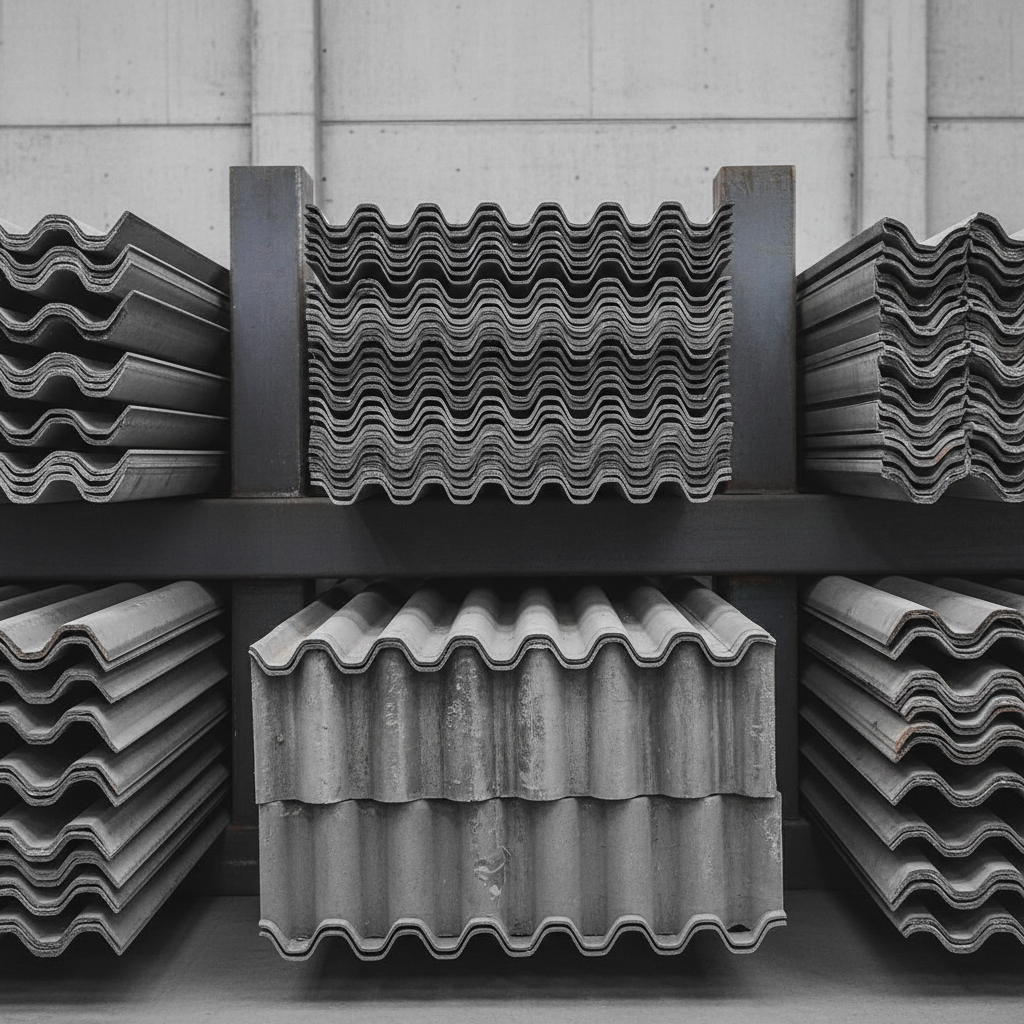
Non-galvanized corrugated sheet metal is essentially carbon steel that has been rolled into a wavy pattern, known as corrugation. This process significantly increases the steel's strength and rigidity without adding substantial weight. The absence of a galvanized coating means the steel is more susceptible to corrosion, making it crucial to consider the intended application and environmental conditions. The corrugation pattern provides structural support, allowing for wider spans and reduced material usage. The metal is typically produced in various thicknesses, or gauges, each suited for different load-bearing requirements.
Key Characteristics: High strength-to-weight ratio, ease of installation, cost-effective, susceptible to corrosion, available in varying gauges and widths.
The affordability and structural benefits of non-galvanized corrugated sheet metal make it a popular choice in a diverse range of applications. These include roofing for sheds, barns, and temporary structures; siding for agricultural buildings; cladding for walls; and creating durable fencing. It’s also commonly used in industrial settings for machinery guarding, ventilation systems, and creating partitions. For temporary structures or those in sheltered environments, it offers a cost-effective solution. Check out BaidySteel’s selection for a wide array of sizes and thicknesses.
Application Examples:
• Roofing for agricultural buildings
• Siding for sheds and barns
• Fencing for livestock or perimeter security
• Industrial cladding and partitions
The primary difference between non-galvanized and galvanized corrugated sheet metal lies in the protective coating. Galvanized steel features a zinc coating that provides excellent corrosion resistance. Non-galvanized steel, lacking this coating, is more vulnerable to rust and oxidation. However, this translates to a lower initial cost. The choice depends heavily on the environment and budget. For projects where exposure to moisture is minimal, non-galvanized steel can be a viable option. However, in harsh climates or applications involving frequent water contact, galvanized steel is strongly recommended.
While non-galvanized steel is more susceptible to corrosion, several measures can be taken to prolong its lifespan. Applying a protective coating, such as paint or sealant specifically designed for metal, is essential. Regular cleaning to remove dirt, debris, and moisture also helps prevent rust formation. In certain applications, applying a rust inhibitor can provide an extra layer of protection. Proper storage and handling, avoiding prolonged exposure to the elements, are crucial. Considering these preventative steps can significantly extend the usability of non-galvanized corrugated sheet metal.
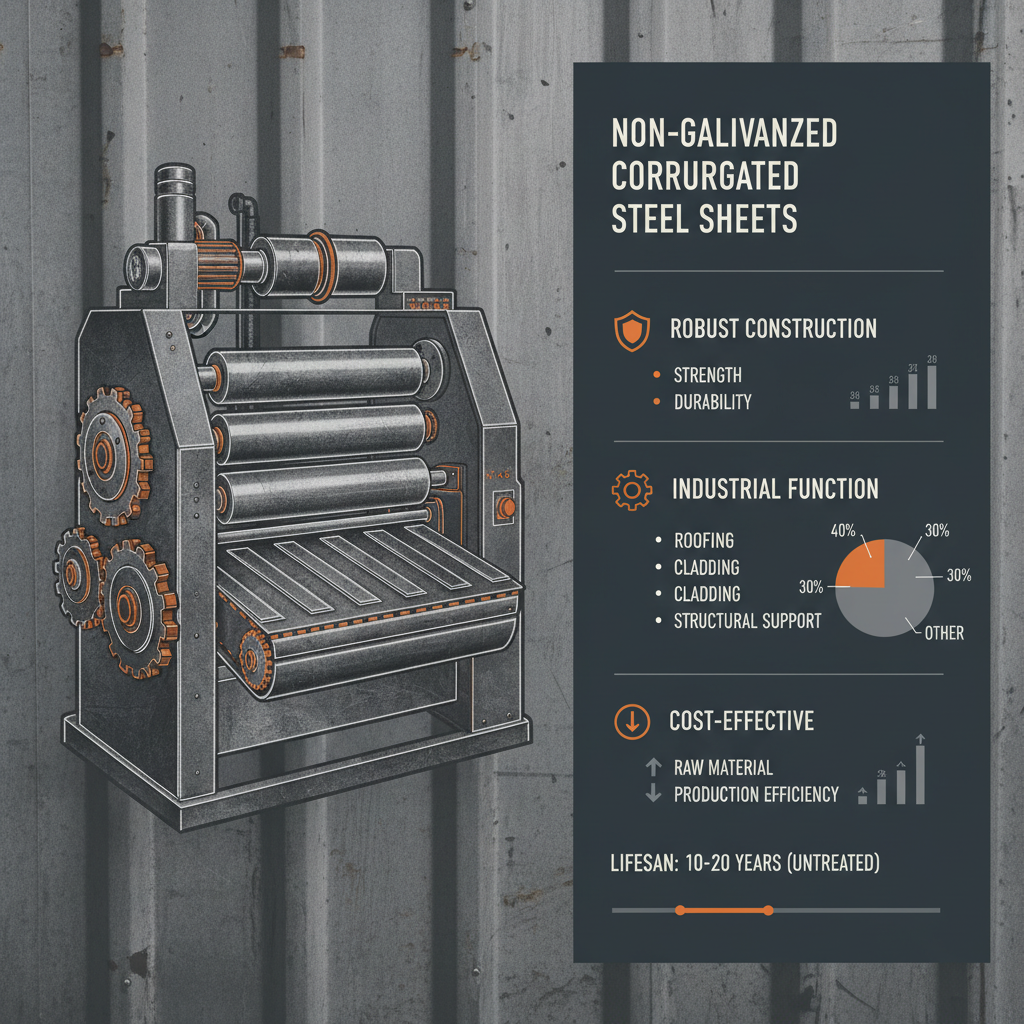
Non-galvanized corrugated sheet metal is available in a variety of gauges (thicknesses), widths, and lengths. Common gauges range from 22 gauge (thinner) to 12 gauge (thicker). Wider sheets offer faster installation but may require more support. The length is typically customizable to meet specific project needs. It's vital to select the appropriate gauge based on the intended load-bearing capacity and the span between supports.
Non-galvanized corrugated sheet metal offers a cost-effective solution for a variety of construction and industrial applications. While its lack of corrosion resistance requires careful consideration and preventative measures, its strength, affordability, and versatility make it a popular choice. Explore the range of options available at BaidySteel to find the perfect fit for your project.
Non-galvanized corrugated metal is best suited for applications where corrosion is not a significant concern, such as interior projects, temporary structures, or buildings located in dry climates. Common uses include shed roofing, interior wall cladding, and agricultural buildings where the metal is shielded from direct weather exposure. It’s also a great option for projects where budget constraints are a primary consideration. Proper sealing and painting can further extend its lifespan even in moderately humid environments.
Preventing rust requires proactive measures. First, apply a rust-inhibiting primer specifically designed for steel before painting. Use high-quality exterior paint formulated for metal surfaces. Ensure all edges and exposed areas are thoroughly coated. Regular inspection and touch-up painting are crucial, particularly in areas prone to moisture. Consider using a sealant to further protect joints and seams. Storing the metal in a dry environment before installation also minimizes the risk of initial corrosion.
The lifespan of non-galvanized corrugated metal varies greatly depending on environmental conditions and maintenance. In dry, sheltered environments, it can last for 10-15 years with proper care. However, in harsh climates with high humidity or saltwater exposure, the lifespan may be significantly shorter, potentially only 5-7 years. Regular painting, cleaning, and the application of rust inhibitors are essential to maximize its longevity.